Tell us about yourself and your journey in photography.
I'm a man of God, a husband, a production manager, and a photographer living in Chicago. I started in 2015-2016, mainly shooting cityscapes and architecture. I met other photographers, went to meetups. It was the discovery of the black and white street photography by Ray Metzker that really changed how I saw things. I loved the way he used light to create abstraction, divide the street, and draw attention to people. I thought it was organized, yet spontaneous. I was really inspired. I went chasing light all over the city. Everything was new and exciting.
After about 5 years of photographing downtown and many images later, I was ready for something different. I was getting bored. I lost my inspiration and started to repeat myself. It was time for a change.
In late 2024 I decided that I would walk my neighborhood, and eventually headed down to the beach. Exploring the shoreline, Montrose Beach, and Montrose Point Bird Sanctuary introduced me to a slower pace which was a welcome reprieve from the hustle and noise of downtown. I needed to touch grass.
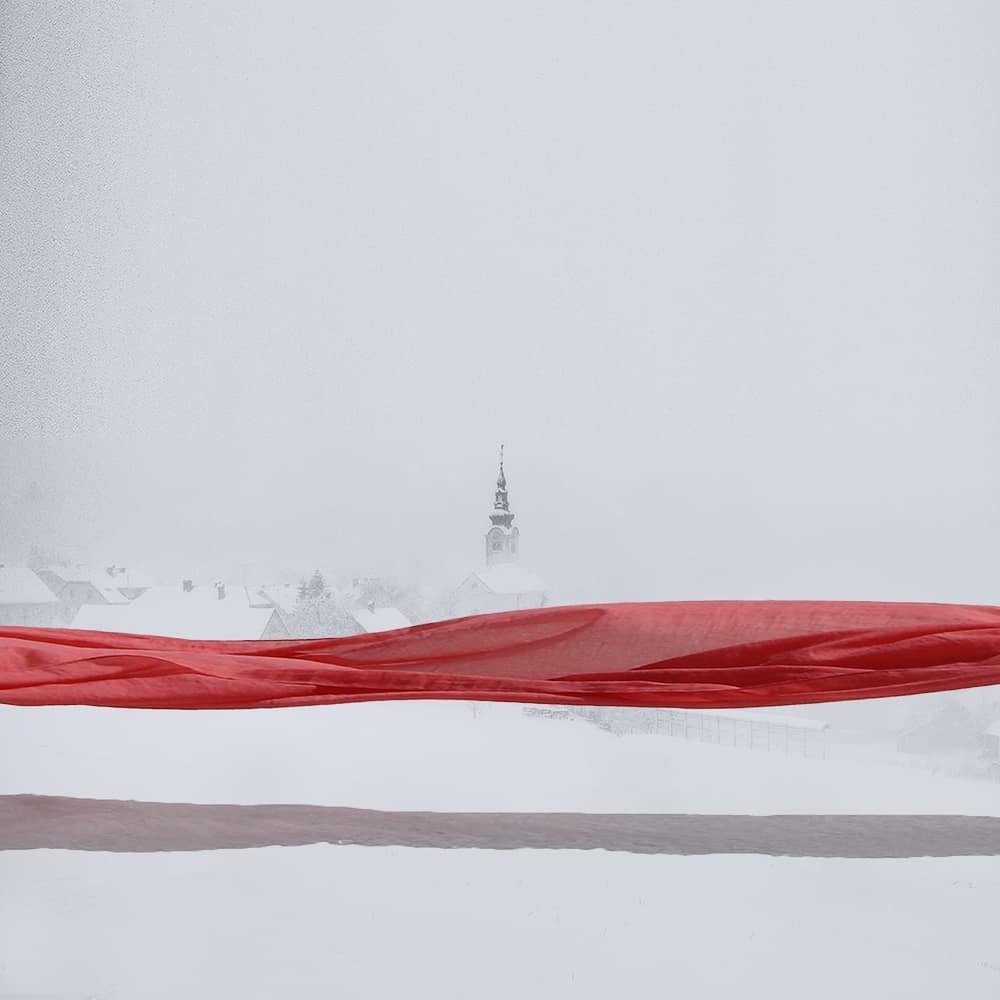
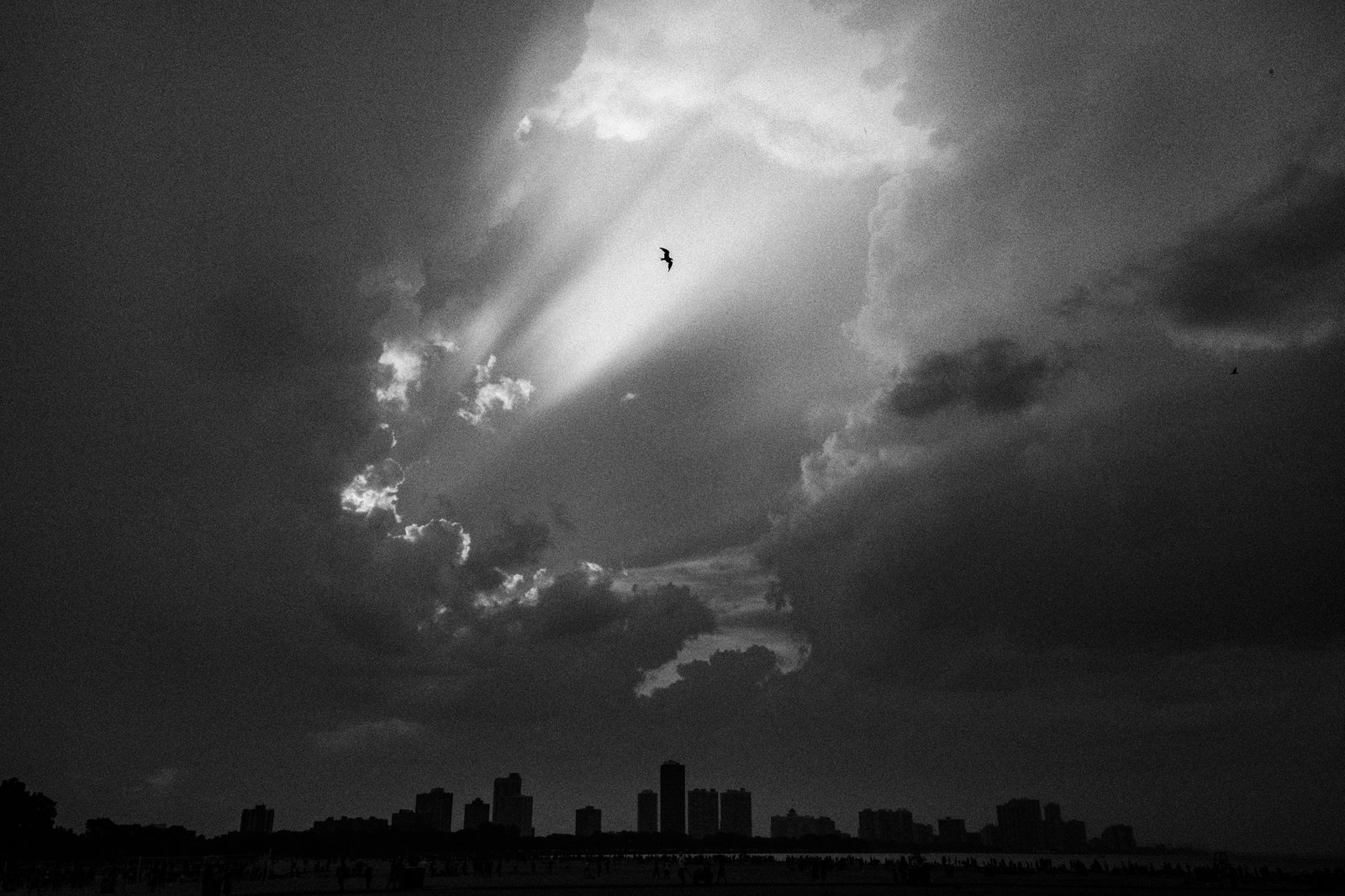
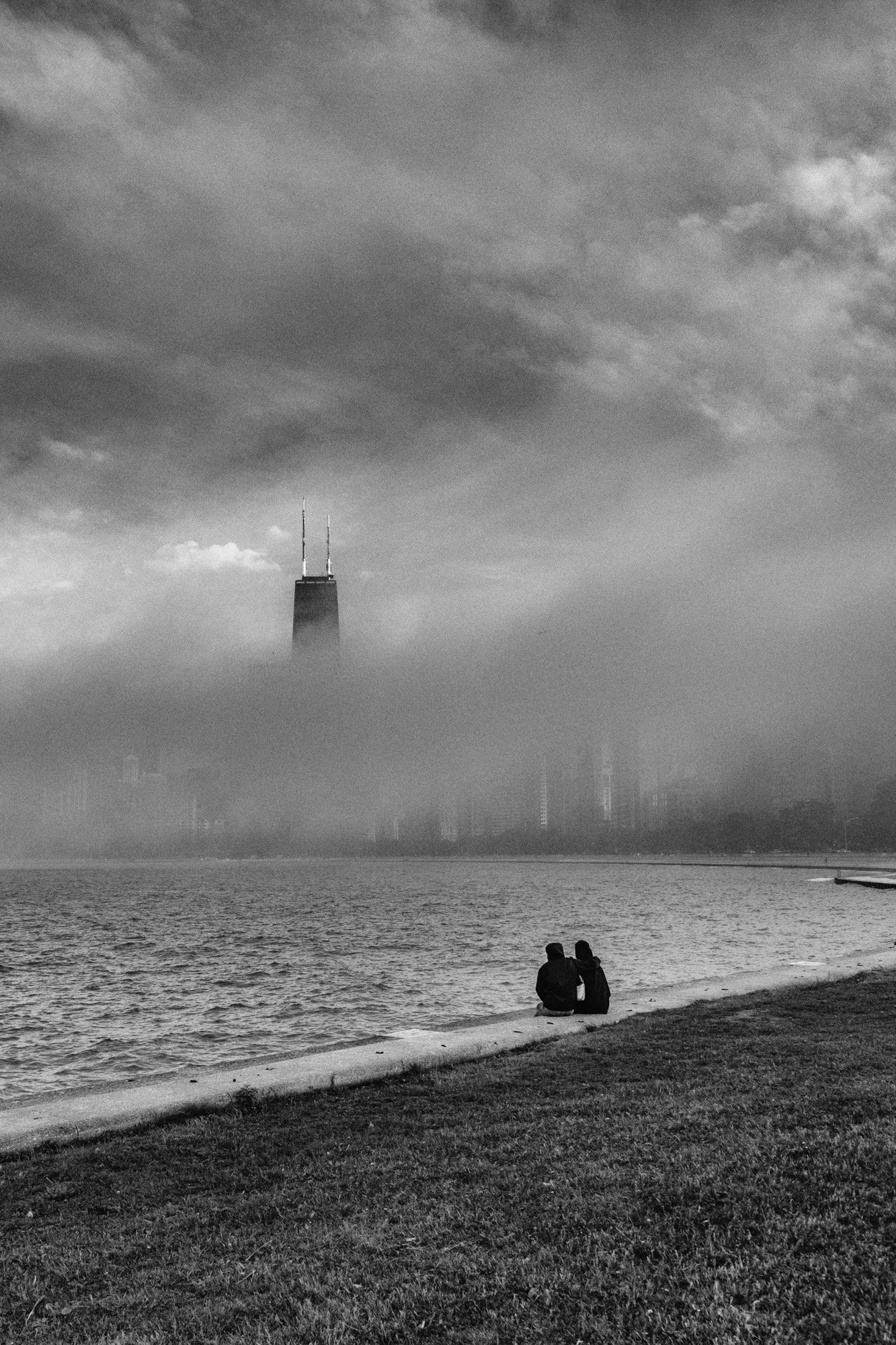
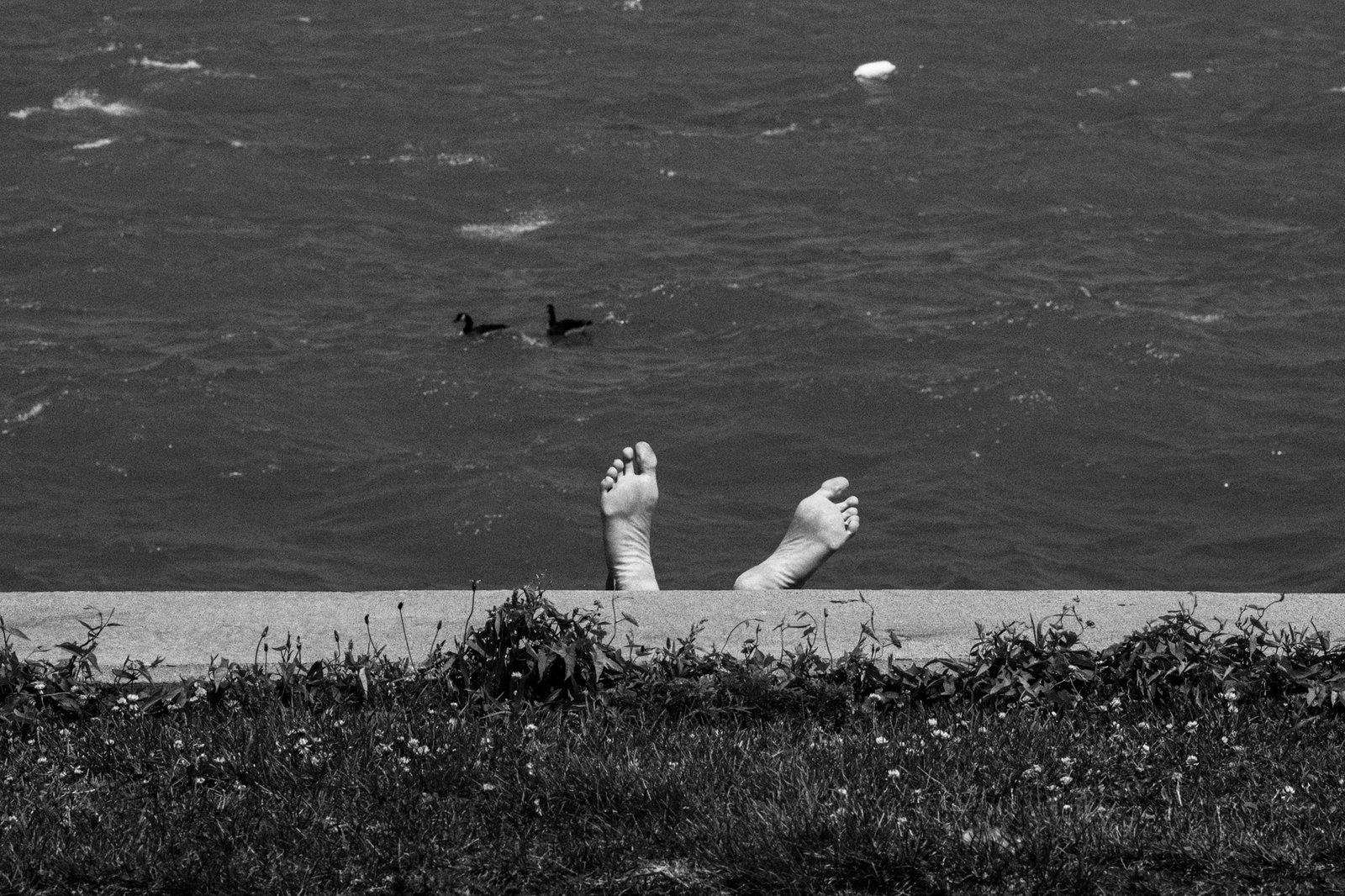
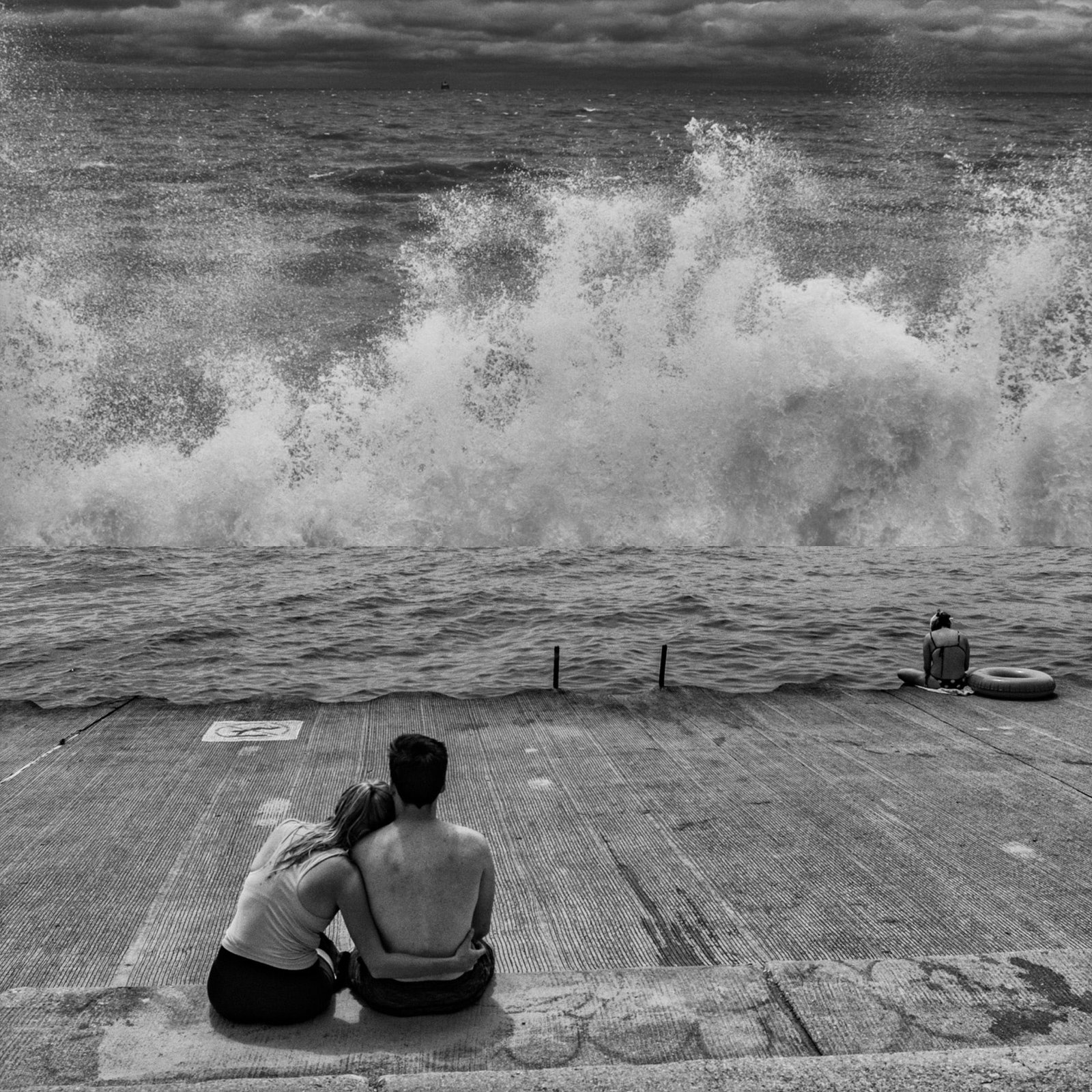
Along the shoreline of the lake in Chicago is what is affectionately called the 'concrete beach'. Between North Ave to the south, and Montrose Harbor to the north, are stretches of break walls that are built like large steps to the water’s edge. People hang out on the different levels, creating scenes that I find fascinating from a minimalist point of view.
Your photographs often communicate through very few visual elements. What do you hope viewers discover in the spaces between those elements?
That's a good question. I trust the process and pray that I'm open enough to see what He wants me to see each time I go out with my camera. I'm looking for space to breathe between the elements, and I'm often struck by a sense of awe, and wonder. I hope that sentiment gets translated in my work.
Minimalism is often described as the art of removing distractions. For you, is it more about what you exclude from the frame or what you choose to leave in?
I value restraint and discipline. Deliberately holding something back can create space for the remaining elements to flourish and grow. The vine gets pruned. It's about inclusion and exclusion working together to form the whole. We see the subjects, so they're obviously important, or included. Whatever is left out creates the negative space and a deliberate exclusion on my part. I think they both hold weight in the consideration process, but I lean on the subjects and how they’re framed to carry the image.
What makes black and white essential to your photographic vision? Are there things you feel monochrome can express that color cannot?
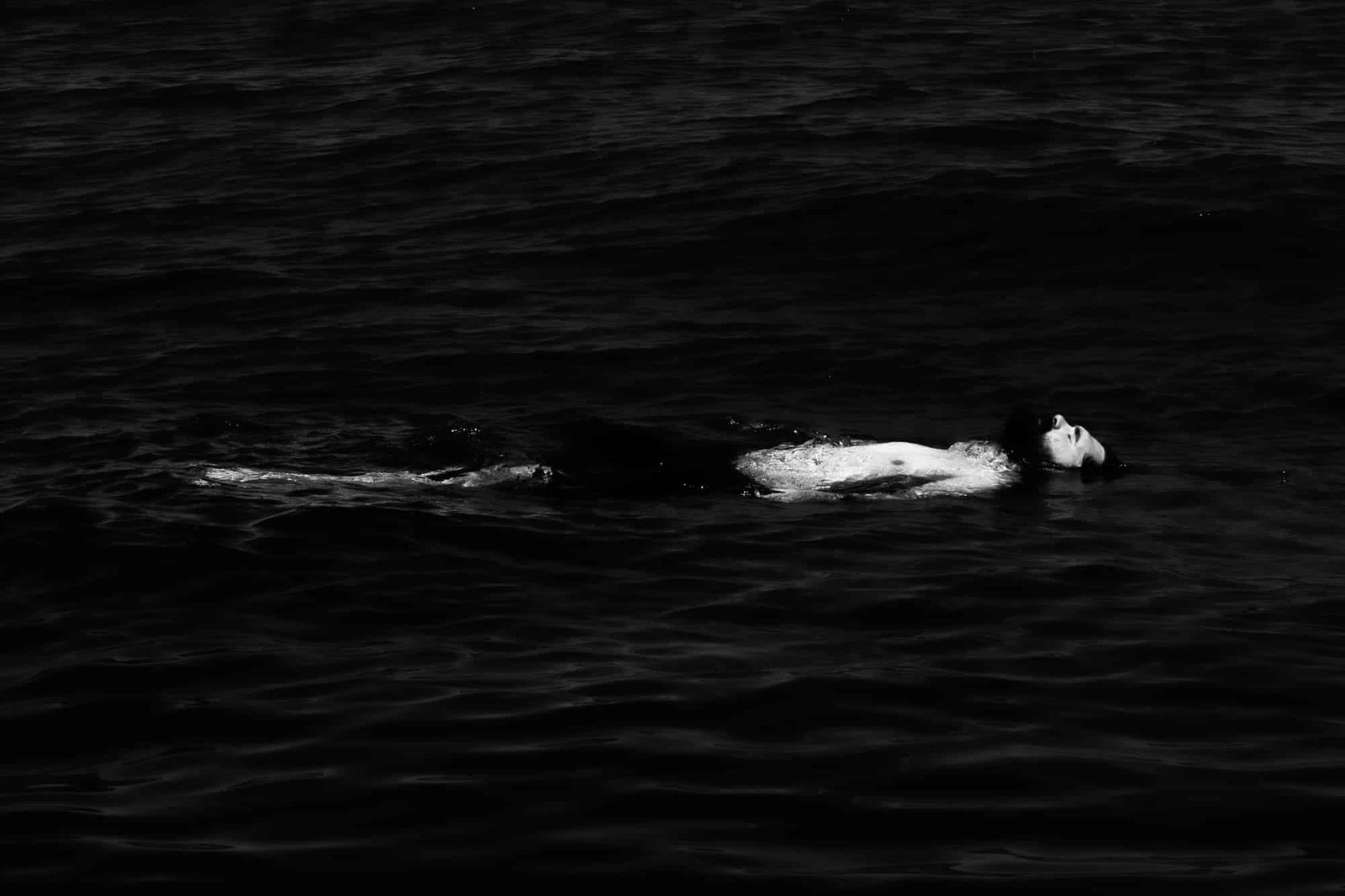
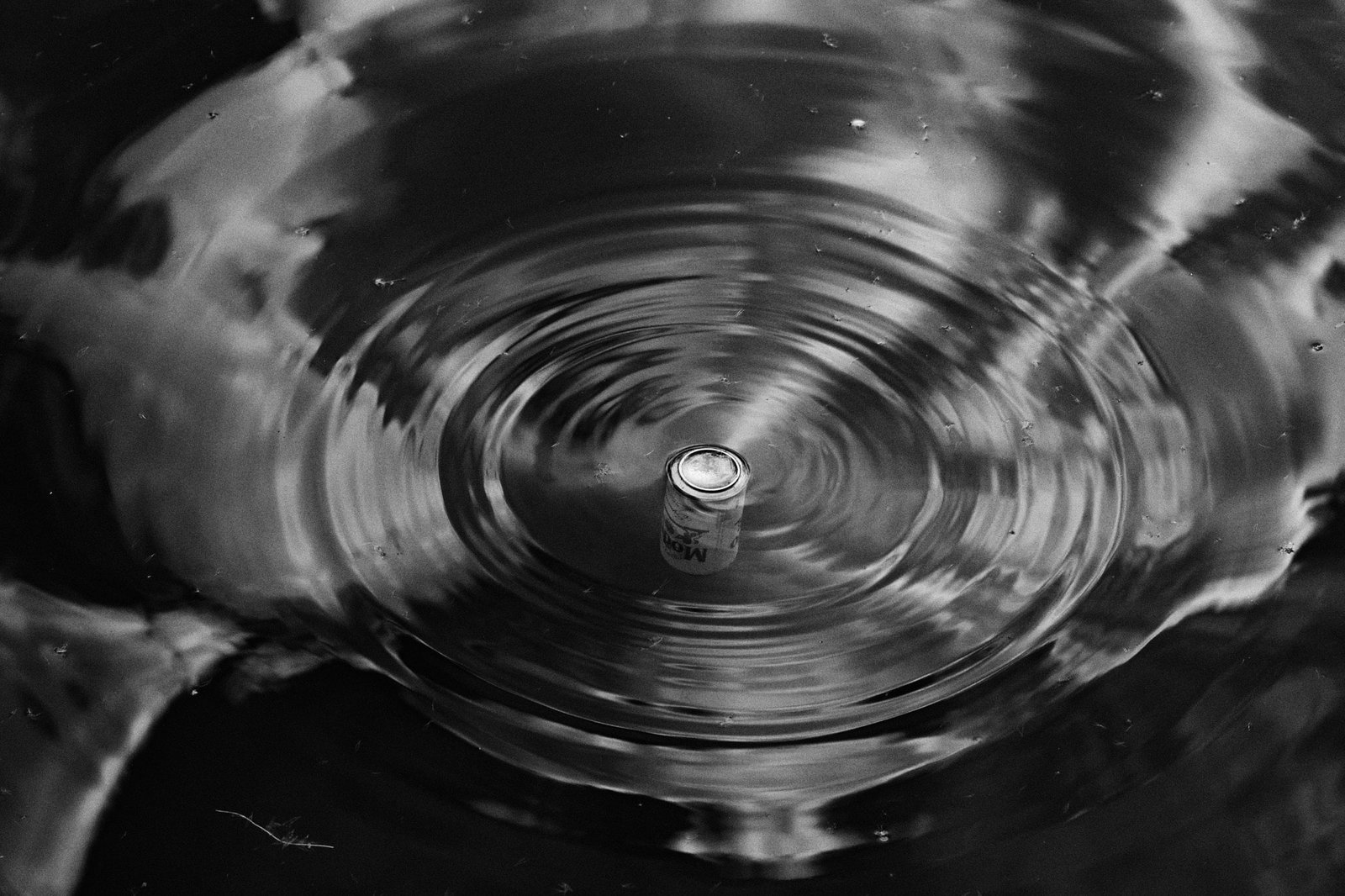
Black and white photography gets straight to the point. I used to sketch with graphite pencils when I was young. The gradations between light and shadow have long piqued my interest and led me towards the work of Ansel Adams and Michael Kenna. When I discovered street photography, I became interested in Ray Metzger's work in Chicago and Fred Lyon's noir work in San Francisco.
I’ve experimented with color in my own work but never felt a true connection. While a vivid red or a deep blend of blue and orange can be striking, these moments fade. Ultimately, it’s the black and white images that consistently capture and hold my attention.
I’ve experimented with color in my own work but never felt a true connection. While a vivid red or a deep blend of blue and orange can be striking, these moments fade. Ultimately, it’s the black and white images that consistently capture and hold my attention.
What makes a memorable photograph, in your opinion?
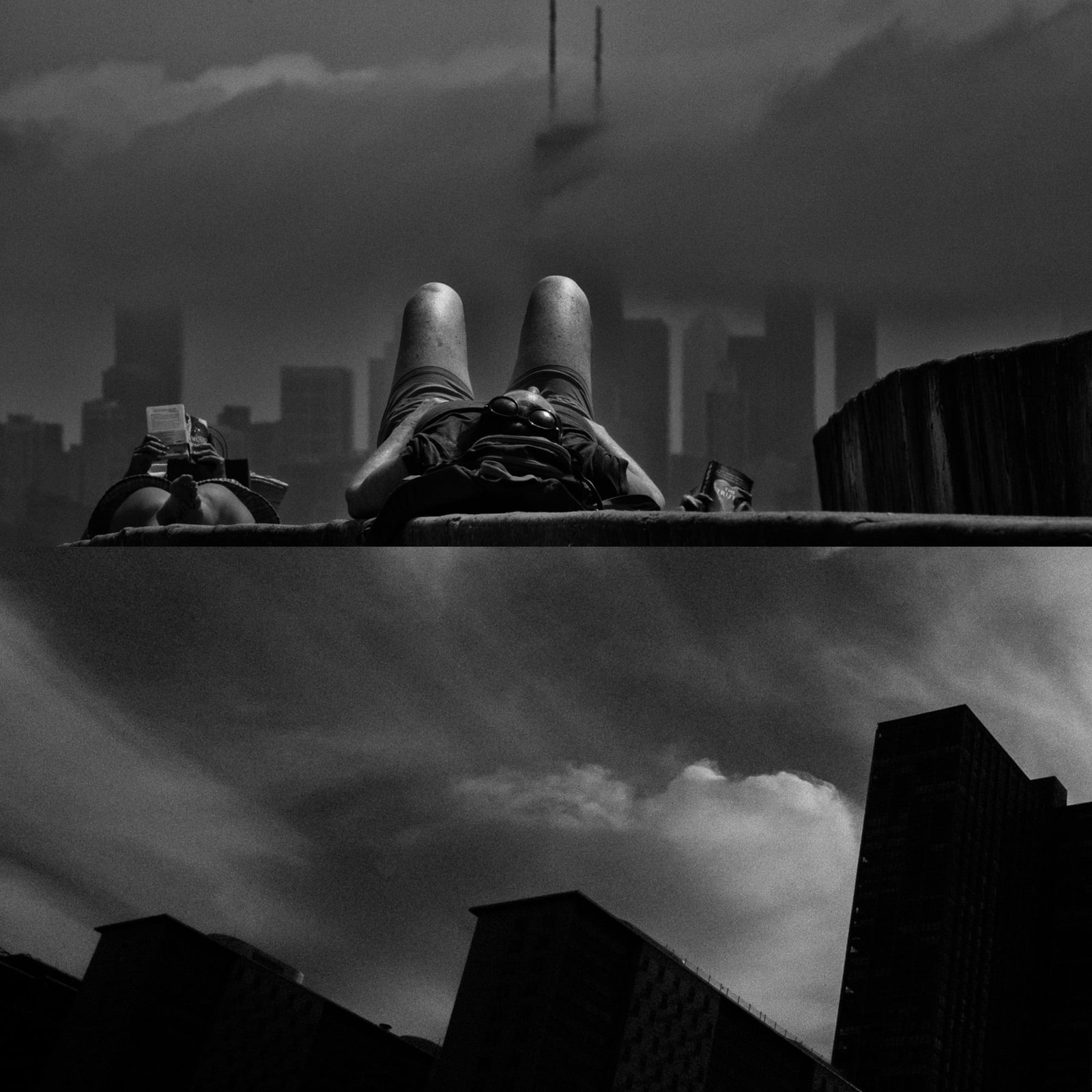
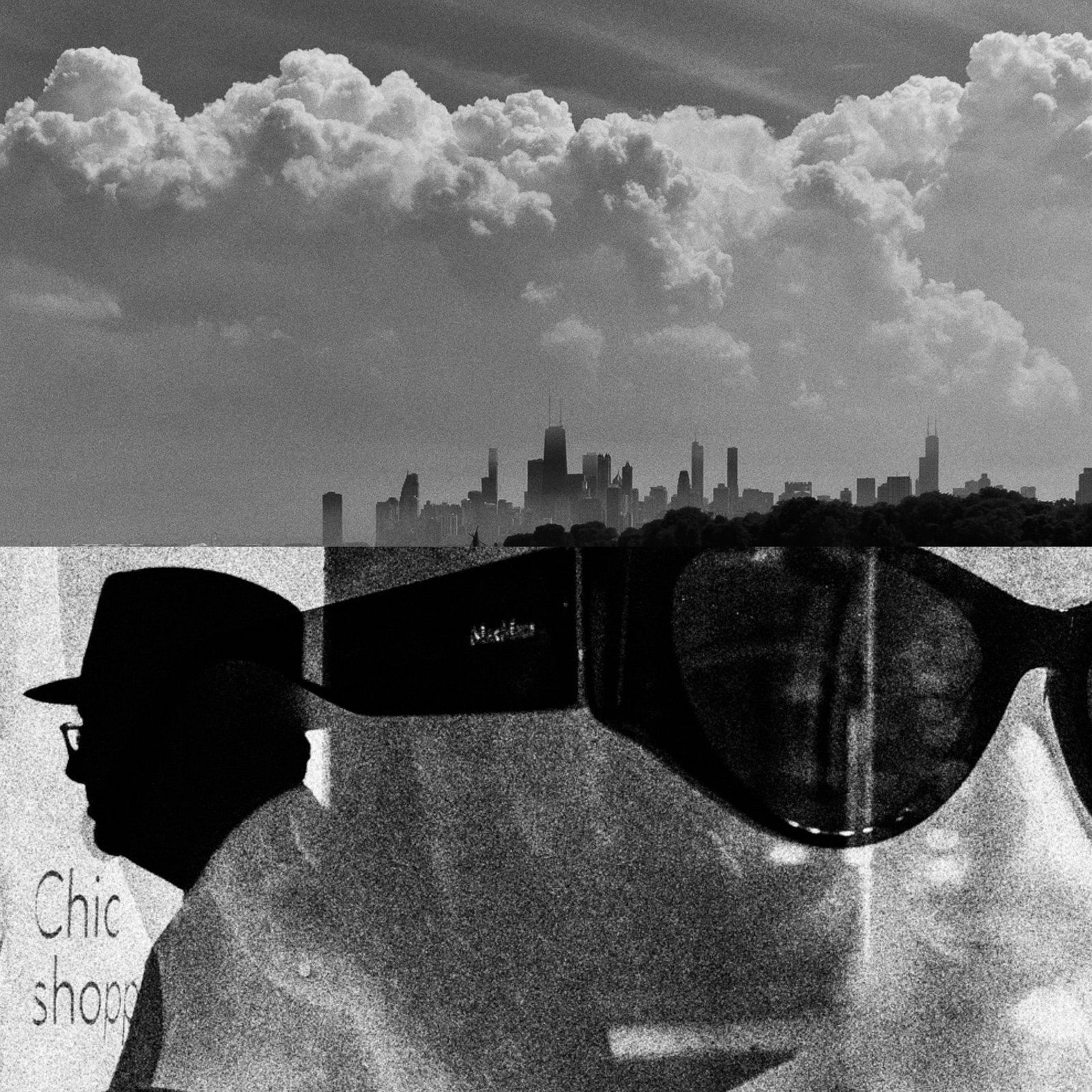
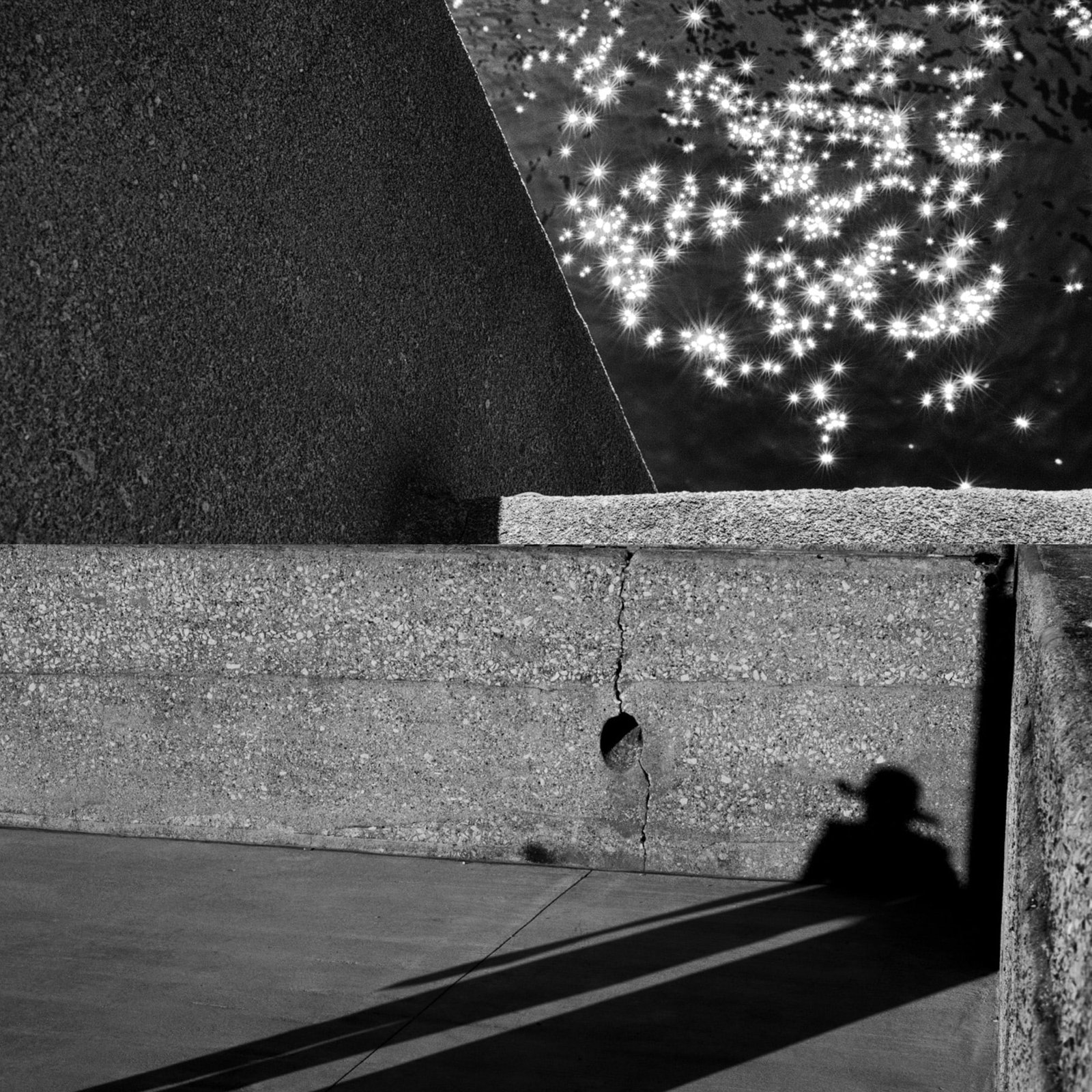
A memorable photograph can be many things. It could be one that is striking or beautiful. It could document a shocking or horrifying moment. It could make you feel something or provoke a memory. It can be quiet and thoughtful. For me, one example is a shot I took looking down from a bridge into the Chicago River. The light was bright coming off the water, creating little stars rippling with the current. I framed the concrete from the bridge above with the water below for an abstract that I continue to go back to. The juxtaposition of the rock and the water interested me then and still does now. I paired it with an image of a long shadow that ran along the ground and climbed up a stone wall, revealing a person's hat on the river walk. Putting the two images together produced a trifecta of elements: The built environment, the natural world, and a person. The diptychs I’m currently working on seem to run along those ideas.
Do you believe gear matters in minimalist photography? What equipment do you currently use?
I shoot with a Fuji XT-2 and XT-5. I have the 18-55mm, 23mm F2, 90mm F2, and 150-400mm tele that I use from time to time when shooting birds and airplanes at the air and water show every year. I pick one lens and go out for the day. I like being mobile without carrying too much baggage. In my experience, finding the shot has very little to do with the camera and everything to do with your sight. Use your phone if that's all you have.
What inspires you outside of photography?
Music and Scripture. Going for walks. A good film. Conversation with my wife.
If you could be any animal in the world, what animal would you be and why?
A bird, maybe a Swift, something that can stay airborne for months at a time. I'm intrigued with flight. I recently finished reading "The Wright Brothers" by David McCullough. In the early 20th century, Wilbur and Orville Wright studied the movements and behaviors of birds in order to figure out how to get a plane off the ground. Fascinating stuff.
What advice would you give to photographers who want to explore black and white minimalist photography?
Study the work of minimalist photographers you admire. Learn how to see like they do. Then take that knowledge and go out and look for things you're interested in. Embrace the subtlety of what is left unsaid and explore what genuinely excites you. Turn your attention outward and engage with the world around you. Hang on to that childlike wonder.
Any final words or reflections you would like to leave with our readers?
Be patient with the process. Especially when you're finding yourself in a place where you feel uninspired and anxious because you don't know what the next steps are in your journey. When I started repeating myself on the street, it took a long time for me to be confident again and start having fun. I thought I would never find a shot. I was nervous to start sharing different work on social media because I cared too much about what other people were thinking. Eventually I became comfortable enough to let details in the shadows come through. But to get to that next step, I had to get quiet enough to sense what I should do next. My phone was an obstacle. Social media was an obstacle. An inability to sit still was an obstacle. I'm always chewing on something, so it was a real struggle for me to get to the other side of the street and explore something different. With the practice of patience I found clarity in my vision, and with that clarity came those minimalist sensibilities of hanging onto what matters most.