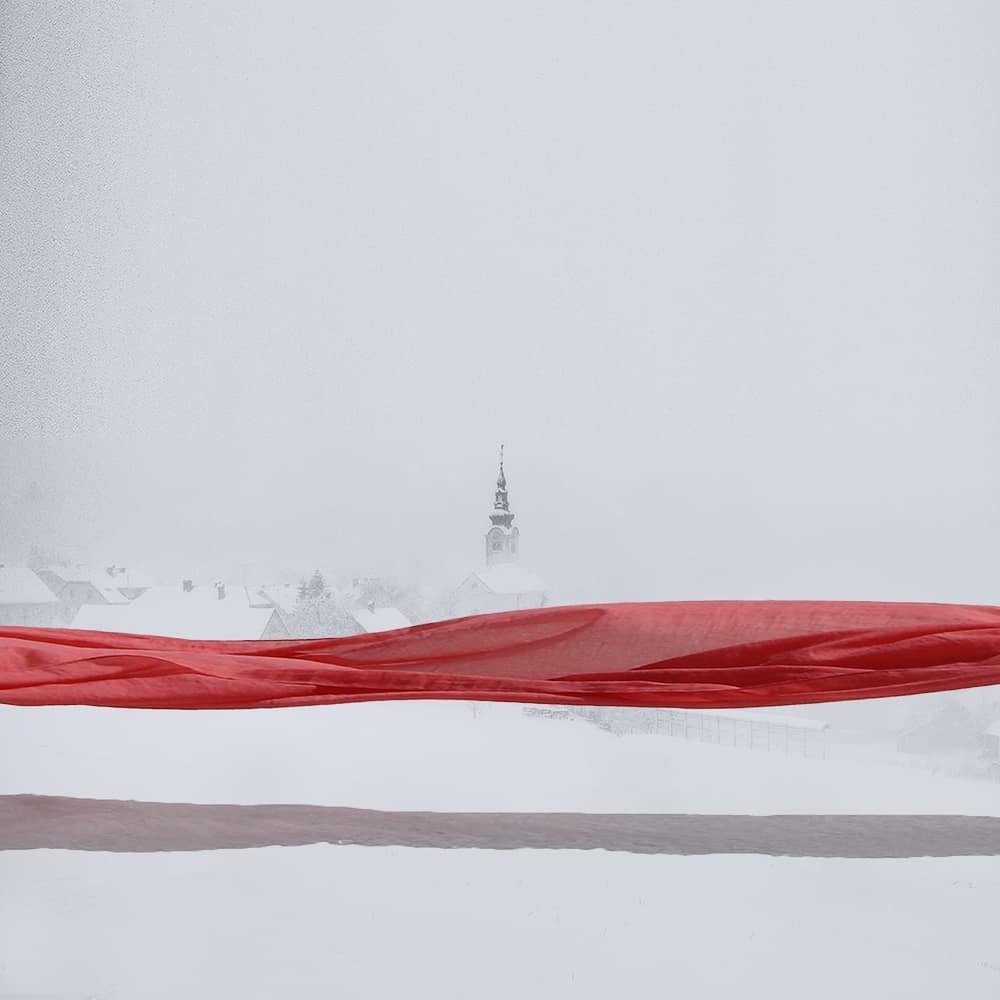
Tell us about yourself and your journey in photography.
I was born and raised in Melbourne, Australia and have worked in the IT industry my whole life. My journey in photography started when I was a child in the 70s and I got my first camera – a Kodak Instamatic – which I used to document family holidays and everyday life. I kept upgrading my cameras and in 2013 I decided to take photography more seriously and purchased my first DSLR.
As I developed my photography skills, I explored different genres including astro, macro, landscape and long exposure, and enjoyed experimenting and trying out new ideas and techniques.
I have always had an interest in architecture, which likely comes from my time at college, where I remember being fascinated doing two and three point perspective drawings of buildings and skyscrapers. I was always quite particular about getting lines, angles and proportions right.
In my photography I realised that architecture was the subject I kept returning to, and at the same time I was getting more interested in black and white photography. I think a real turning point for me was discovering the work of Joel Tjintjelaar and Julia Anna Gospodarou. Their work showed me how architecture could be interpreted in a much more minimalist and artistic way.
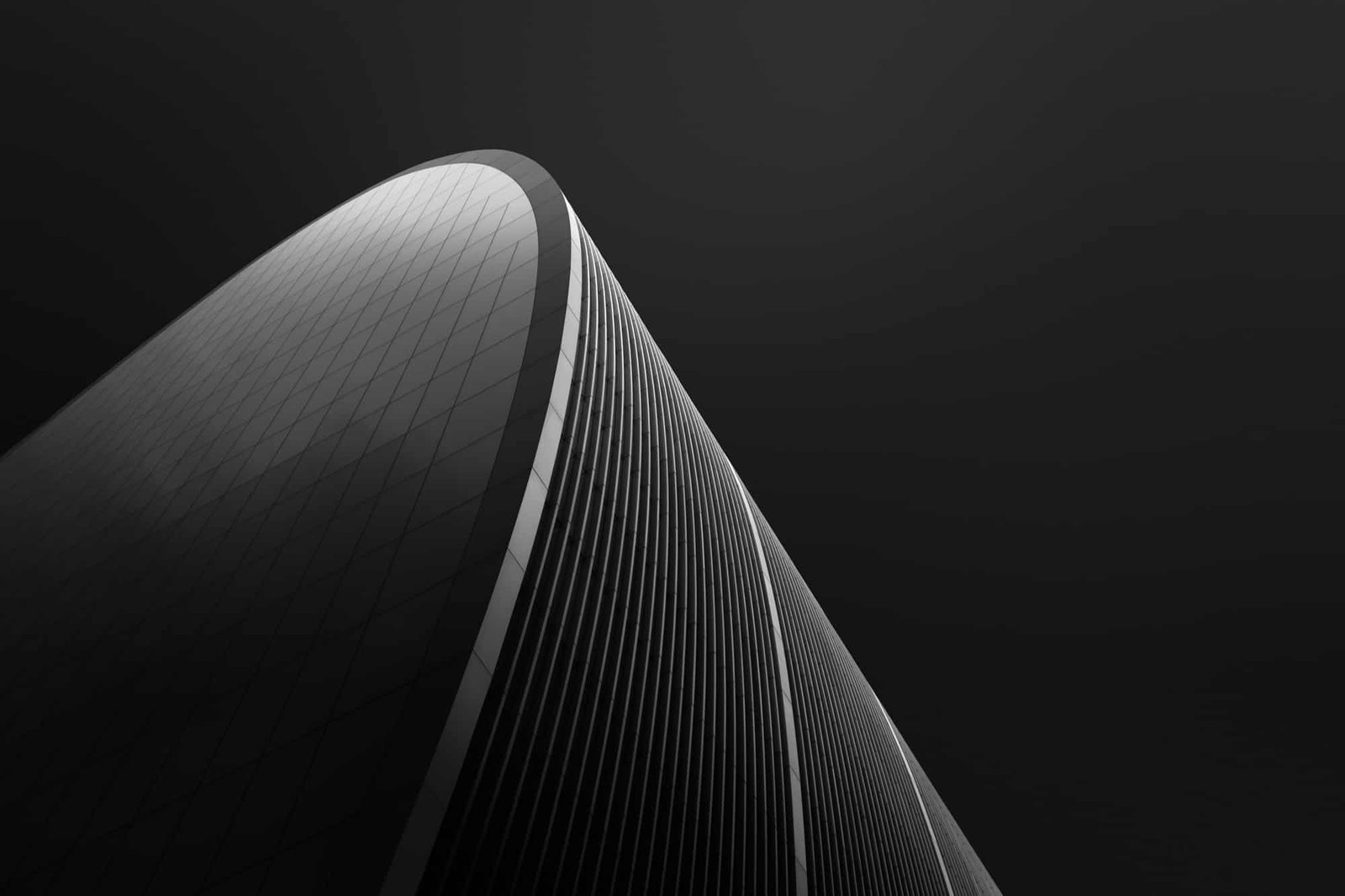
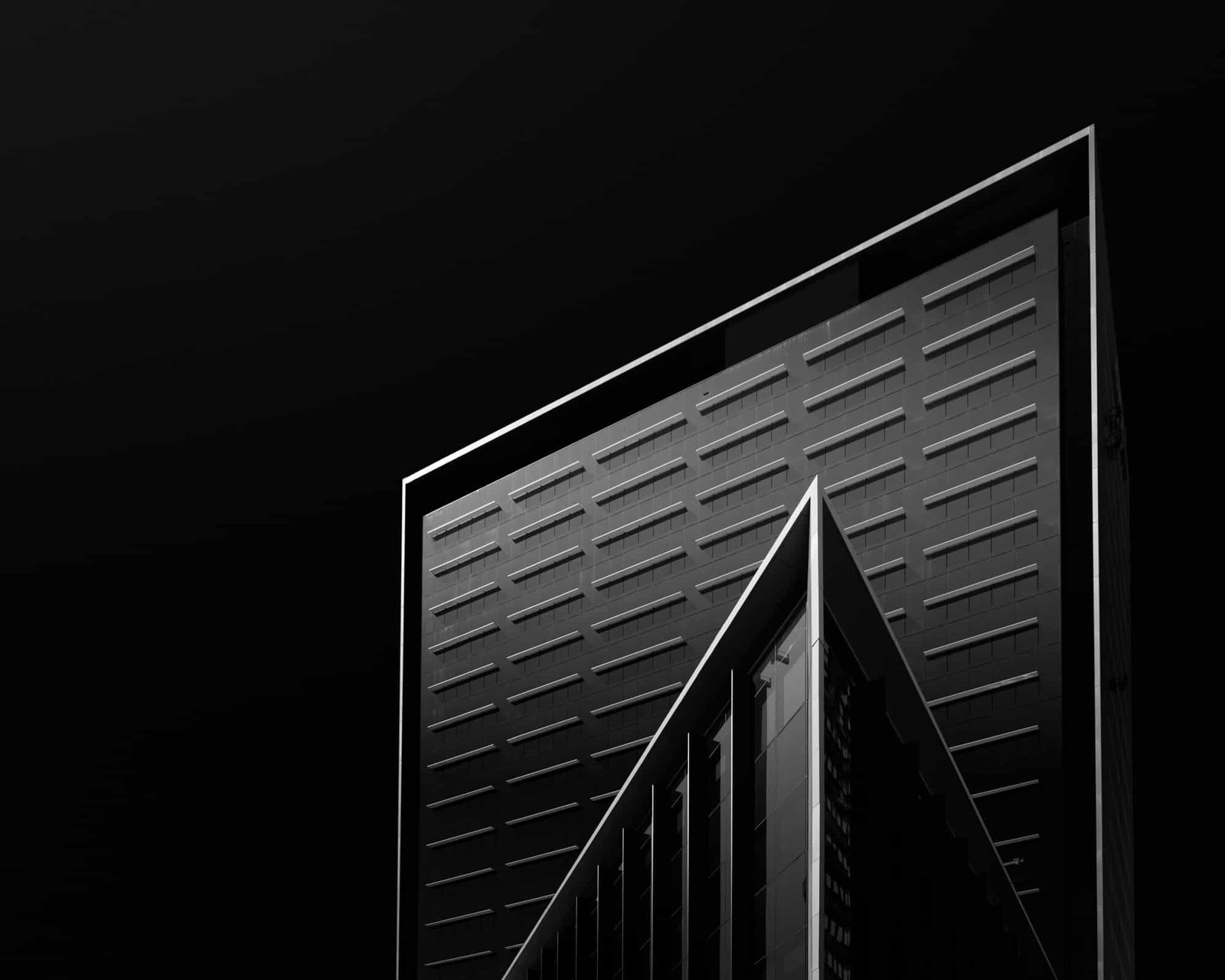
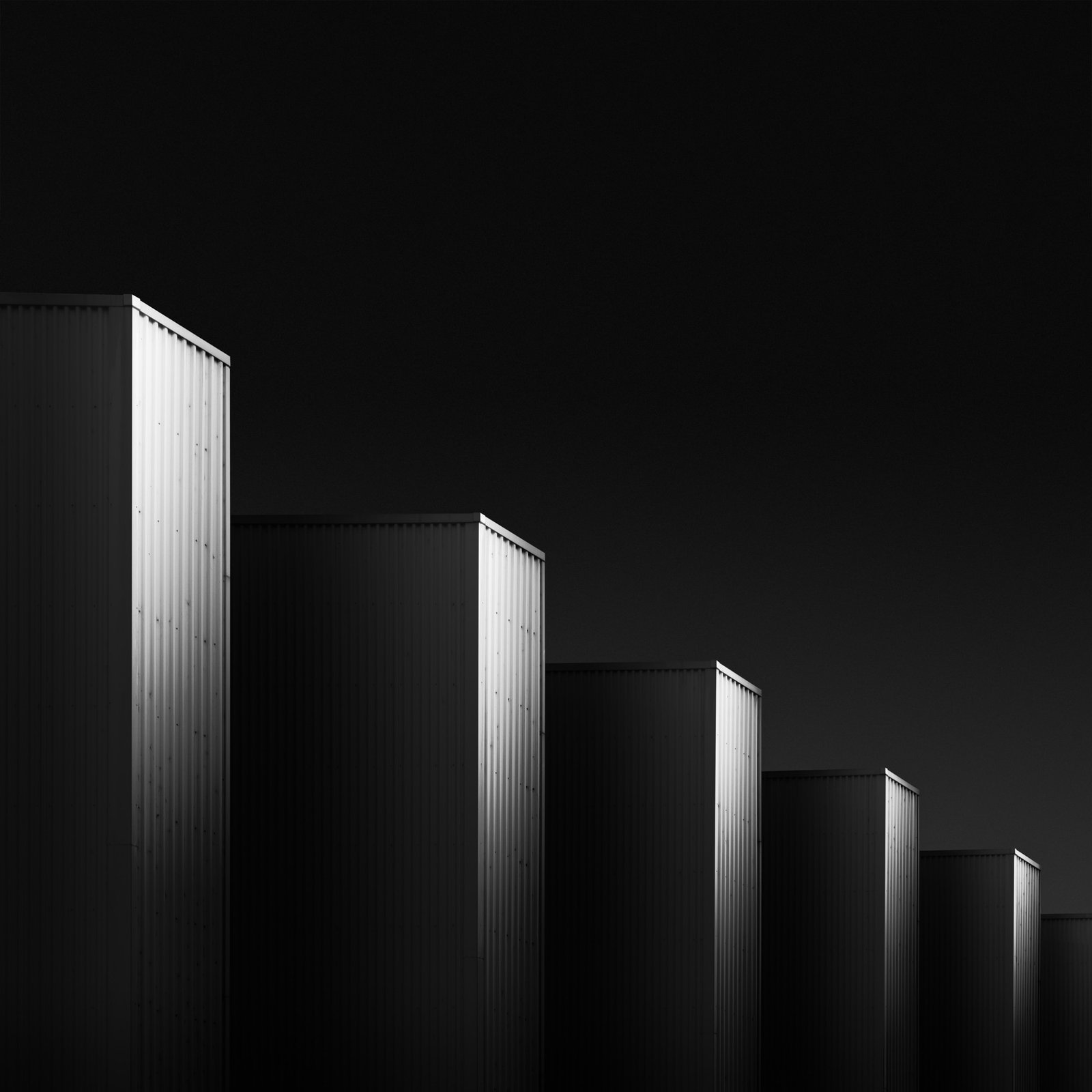
Today I primarily create black and white minimalist art inspired by architecture, and I still care about getting the lines and proportions right.
Your photographs often communicate through very few visual elements. What do you hope viewers discover in the spaces between those elements?
That’s a difficult question because I don’t consciously think about what viewers might discover in those spaces. When I’m creating an image, I’m usually responding to what I like and how the image makes me feel rather than thinking about how someone else will interpret it.
The spaces I leave between the visual elements are less about conveying a message and more about creating balance. They help simplify the image and draw attention to the elements that matter most. I also find that empty space can create a sense of solitude and quietness, which is something that resonates with me. Beyond that, what viewers discover within those spaces is really up to them.
The spaces I leave between the visual elements are less about conveying a message and more about creating balance. They help simplify the image and draw attention to the elements that matter most. I also find that empty space can create a sense of solitude and quietness, which is something that resonates with me. Beyond that, what viewers discover within those spaces is really up to them.
Minimalism is often described as the art of removing distractions. For you, is it more about what you exclude from the frame or what you choose to leave in?
It’s more about what I choose to leave in. When I’m out shooting architecture, there’s usually something specific that has caught my attention, whether it’s a shape, pattern, light, or just a particular part of a building. That’s normally where my focus is, rather than thinking about what needs to be excluded.
Removing distractions is also part of the process. I try to simplify the image through framing and perspective when I’m capturing it, then deal with any minor distractions in post-processing.
In the end, it’s often the one thing I’ve chosen to leave in that gives the image its strength.
Removing distractions is also part of the process. I try to simplify the image through framing and perspective when I’m capturing it, then deal with any minor distractions in post-processing.
In the end, it’s often the one thing I’ve chosen to leave in that gives the image its strength.
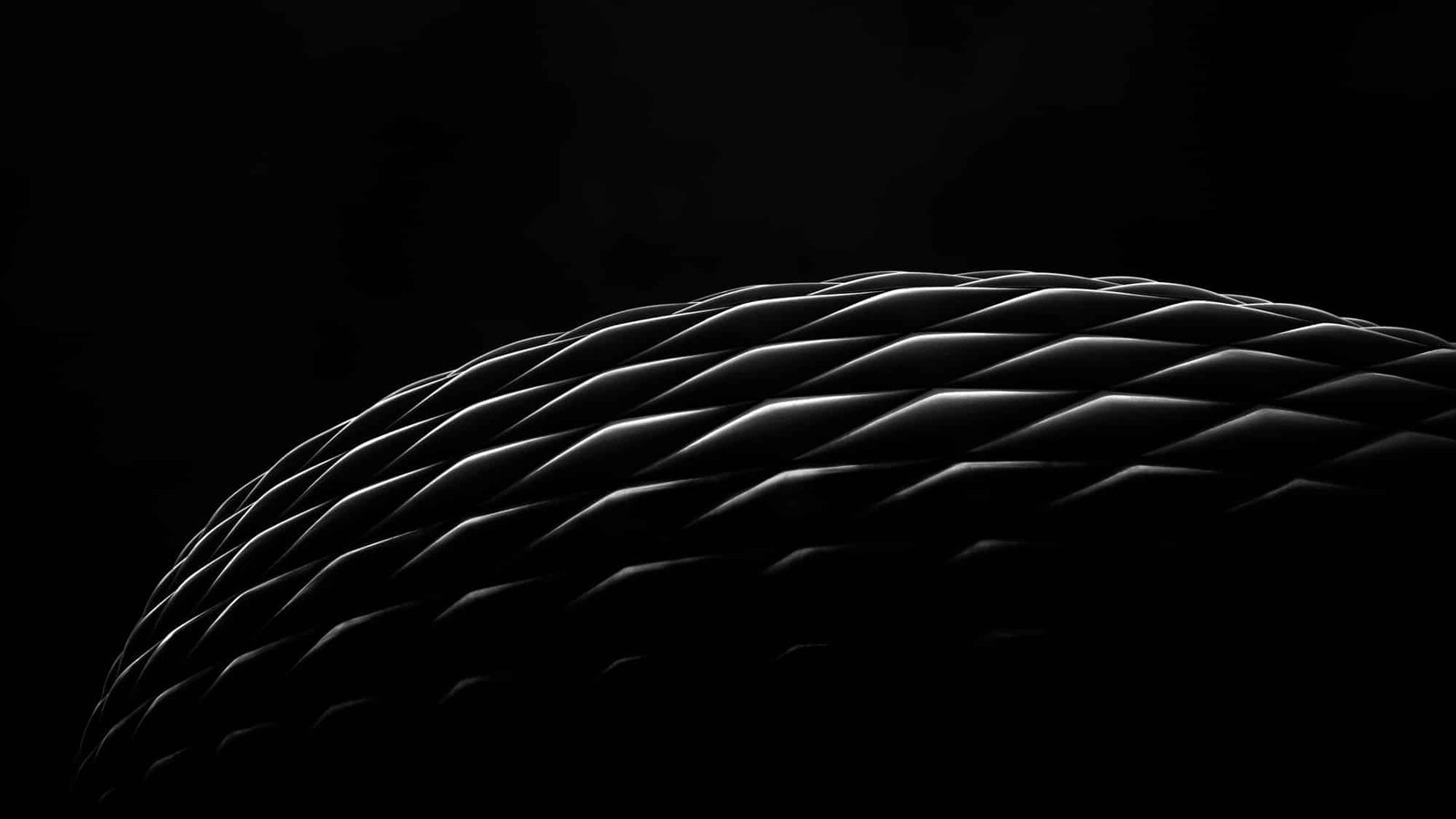
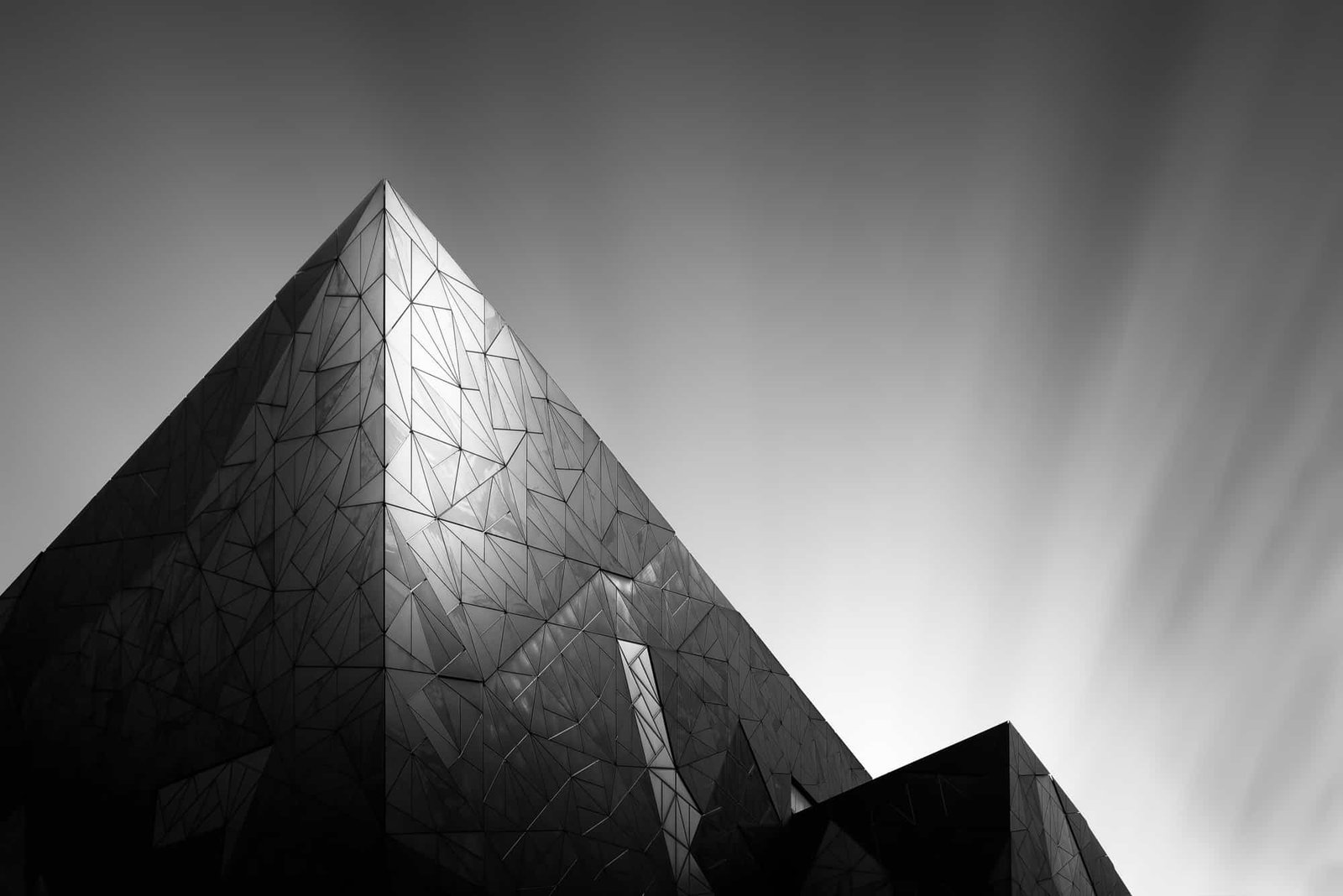
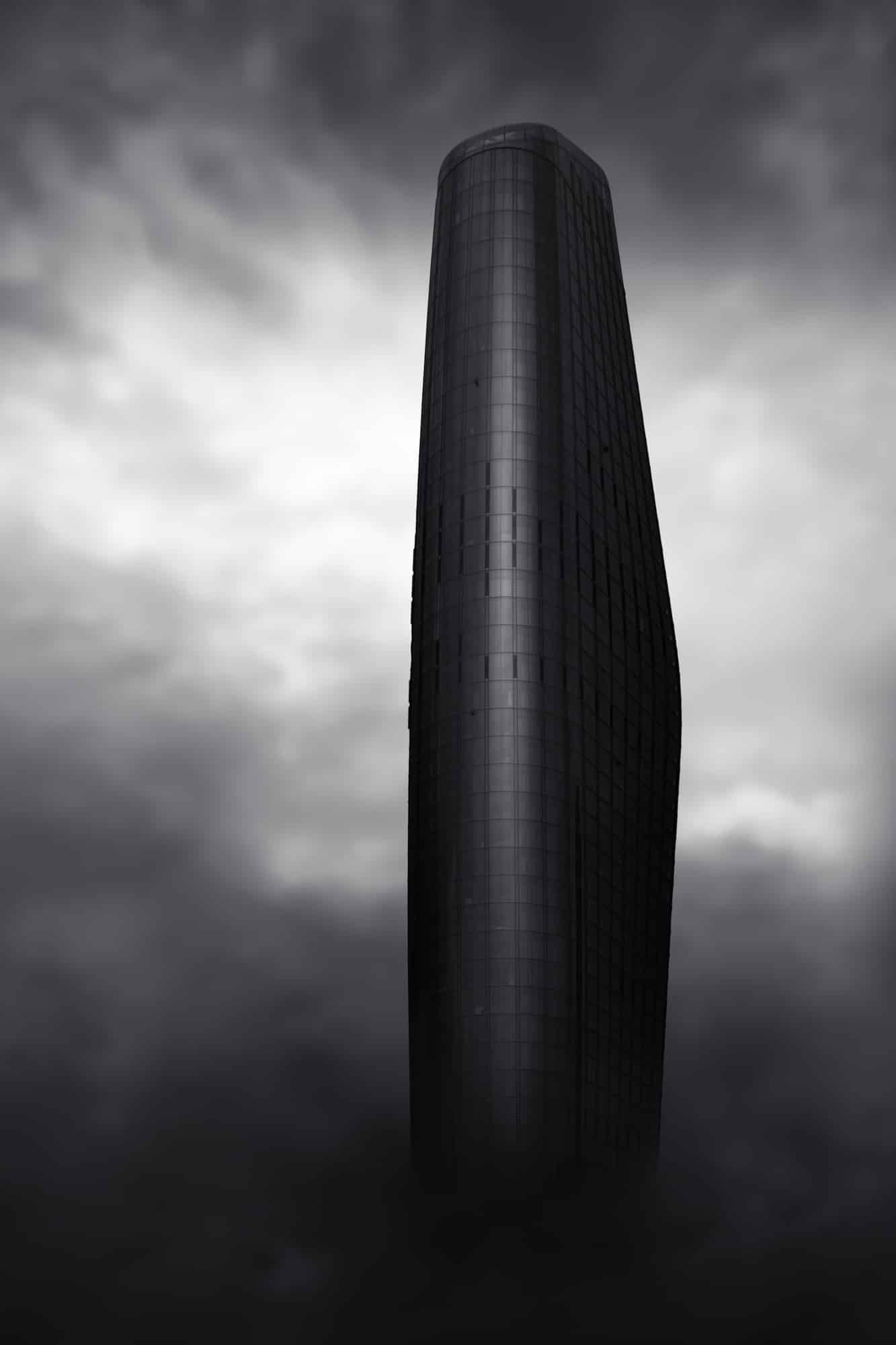
What makes black and white essential to your photographic vision? Are there things you feel monochrome can express that color cannot?
Black and white has become such a natural part of the way I see and process images that it’s difficult to explain exactly why I’m drawn to it. Quite often, when I’m photographing buildings, I’m already visualising the final image in black and white.
For me, black and white creates a mood that I rarely find in colour. I like how it reduces a building to its raw elements – light, shade and depth – and lets me shape those. It also separates the image from reality, so I can present my own interpretation of a building rather than showing it as it appears.
I don’t see black and white as a rule; sometimes an image works better in colour, but most of the time black and white just feels right.
What makes a memorable photograph, in your opinion?
A memorable photograph is one that makes me stop and really look. It might be a familiar subject shown from an unexpected perspective, an interesting interpretation through post-processing, or a composition that reveals something I hadn’t noticed before.
Photographs that stay with me are often those where a familiar or well-known subject is presented in a way I haven’t seen before, which makes me want to study the image to work out how it was created.
Photographs that stay with me are often those where a familiar or well-known subject is presented in a way I haven’t seen before, which makes me want to study the image to work out how it was created.
Do you believe gear matters in minimalist photography? What equipment do you currently use?
Having good quality gear can matter for minimalist photography, but for me it’s not the most important element. Most of my growth as a photographer has come from practice, learning and trying new things rather than upgrading equipment.
The camera is only one part of the creative process. How I frame, edit and interpret an image has a much bigger influence on the final result. Photoshop is a more significant part of my process than any particular camera or lens, though the work still starts with capturing a good photograph.
At the moment I use a Fujifilm X-S10, with a Fujifilm 10-24mm and a Tamron 18-300mm lens. I also have a Nikon D750 with a Tamron 24-70mm and a Tamron 90mm macro lens. One item on my wish list is a tilt-shift lens, as I’d love the ability to control perspective more precisely when photographing architecture.
What inspires you outside of photography?
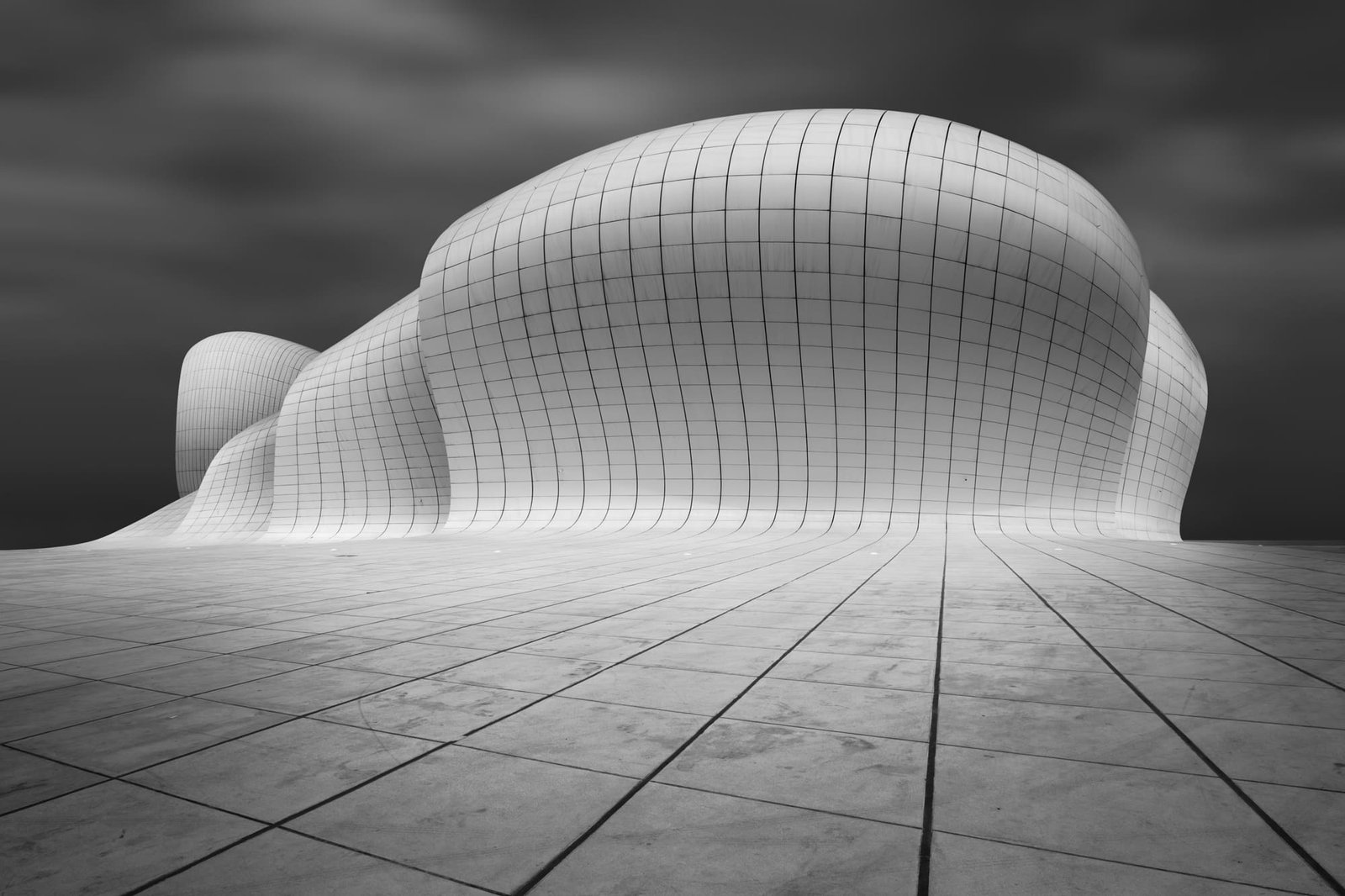
Travel is possibly my biggest source of inspiration outside of photography. When I travel, the experience comes first and photography happens along the way, though a building can influence where I go. A recent trip to Baku was planned partly to see the Heydar Aliyev Centre and other amazing architecture there, and partly to explore a new city.
Art, architecture and design are constant sources of inspiration too. I enjoy seeing how other creative people approach their work and often pick up ideas and inspiration from the different ways they interpret a subject.
Walking is something I do every day, and it often gives me time to explore my neighbourhood, think and formulate ideas. I’m fortunate to live where there are many new buildings, so I often walk past them and visualise potential photographs. Whether I’m at home or travelling, spending time observing my surroundings often sparks ideas for future images.
When time allows, I also enjoy bush-walking. It’s great being out in the wilderness and away from the distractions of everyday life.
If you could be any animal in the world, what animal would you be and why?
I’ve never really thought about this before, but I’d probably choose a cat. They’re curious, independent and always seem to be exploring something. I enjoy discovering new places, wandering around and seeing what’s out there, so I can relate to that. They also seem quite comfortable in their own company, which says something about me too.
What advice would you give to photographers who want to explore black and white minimalist photography?
Study the work of photographers and artists you admire and learn from them, but don’t just copy what they do. Take the techniques and ideas that work for you, combine them with your own ideas and develop your own approach.
Finding your own direction can take time. I found mine after exploring many genres, and I expect it will keep evolving. What you create today probably won’t be what you’re creating in ten years’ time, and that’s a good thing.
Most importantly, photograph subjects that genuinely interest you. It’s easy to get distracted by following trends, social media or what other people expect from you, but your best work will come from creating something you genuinely enjoy and feel connected to.
Any final words or reflections you would like to leave with our readers?
One of the things I enjoy most about photography is that the learning never stops. There are always new ideas, techniques and ways of seeing to explore.
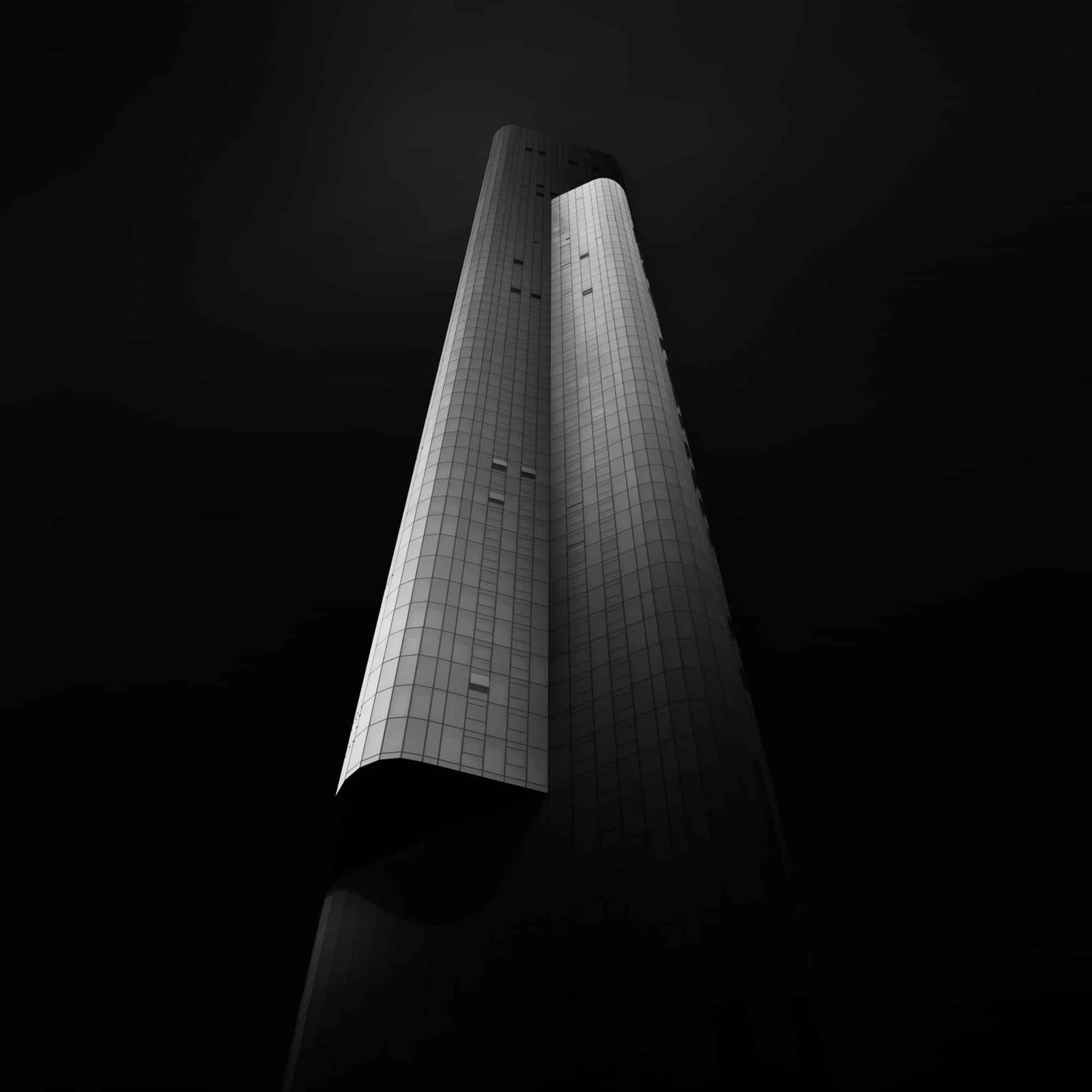
Some of my favourite images have come from trying something different or exploring an idea to see what happens. One example was my image of One Blackfriars. The idea came from an abstract black and white silhouette photograph of people that I had seen. It was completely unrelated to architecture, but it inspired me to create my own interpretation of a building I had photographed in London a couple of years earlier.
For me, photography is at its most rewarding when an idea leads somewhere unexpected. The images I’m most proud of often started as little more than curiosity and a willingness to follow an idea wherever it might lead.