Tell us about yourself and your journey in photography.
I'm a middle-aged father of two young children, living with my family in Munich, a city that has become the microcosm of my family life and much of my photography. Most of my life has revolved around movement, sports, and being outdoors. I am a competitive cyclist, and whenever I'm not enjoying quality time with my family, you'll usually find me on a bike, mountaineering, skiing, free climbing, fly fishing, or reading.
Photography entered my life more seriously during a difficult period marked by major health issues. Suddenly, many of the physical activities I loved were no longer possible, and photography became both an outlet and a source of creative stimulation. Looking back, creativity had always been there. As a child I loved painting and creating things without much effort or conscious thought.
My health eventually returned, and sport reclaimed part of its place in my life, but photography stayed. Today I constantly scan my surroundings. Whenever I see an interesting subject or encounter weather conditions that create a special mood, I feel the urge to go out and photograph. Photography has become less of a hobby and more of a way of seeing.
Photography entered my life more seriously during a difficult period marked by major health issues. Suddenly, many of the physical activities I loved were no longer possible, and photography became both an outlet and a source of creative stimulation. Looking back, creativity had always been there. As a child I loved painting and creating things without much effort or conscious thought.
My health eventually returned, and sport reclaimed part of its place in my life, but photography stayed. Today I constantly scan my surroundings. Whenever I see an interesting subject or encounter weather conditions that create a special mood, I feel the urge to go out and photograph. Photography has become less of a hobby and more of a way of seeing.
What first drew you to photography, and what later attracted you to minimalist photography specifically?
It started quite simply. I bought a better camera to document my children growing up and to record my mountaineering adventures. Before long, that was no longer enough, and I upgraded to a Fujifilm X-T20. I loved its intuitive controls and compact size.
My approach to photography is highly intuitive. I often feel that the moment my analytical mind takes over, the image rarely improves. Usually, it only confirms that my intuition was right from the beginning.
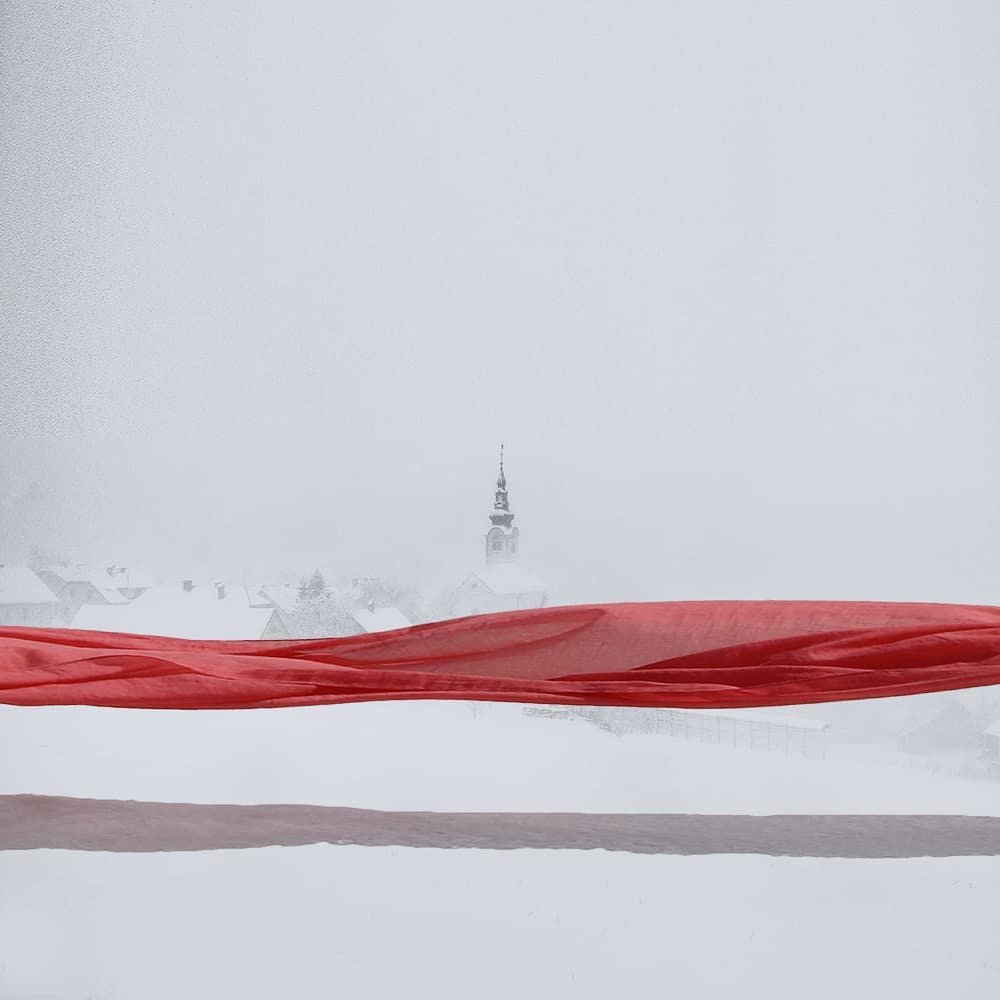
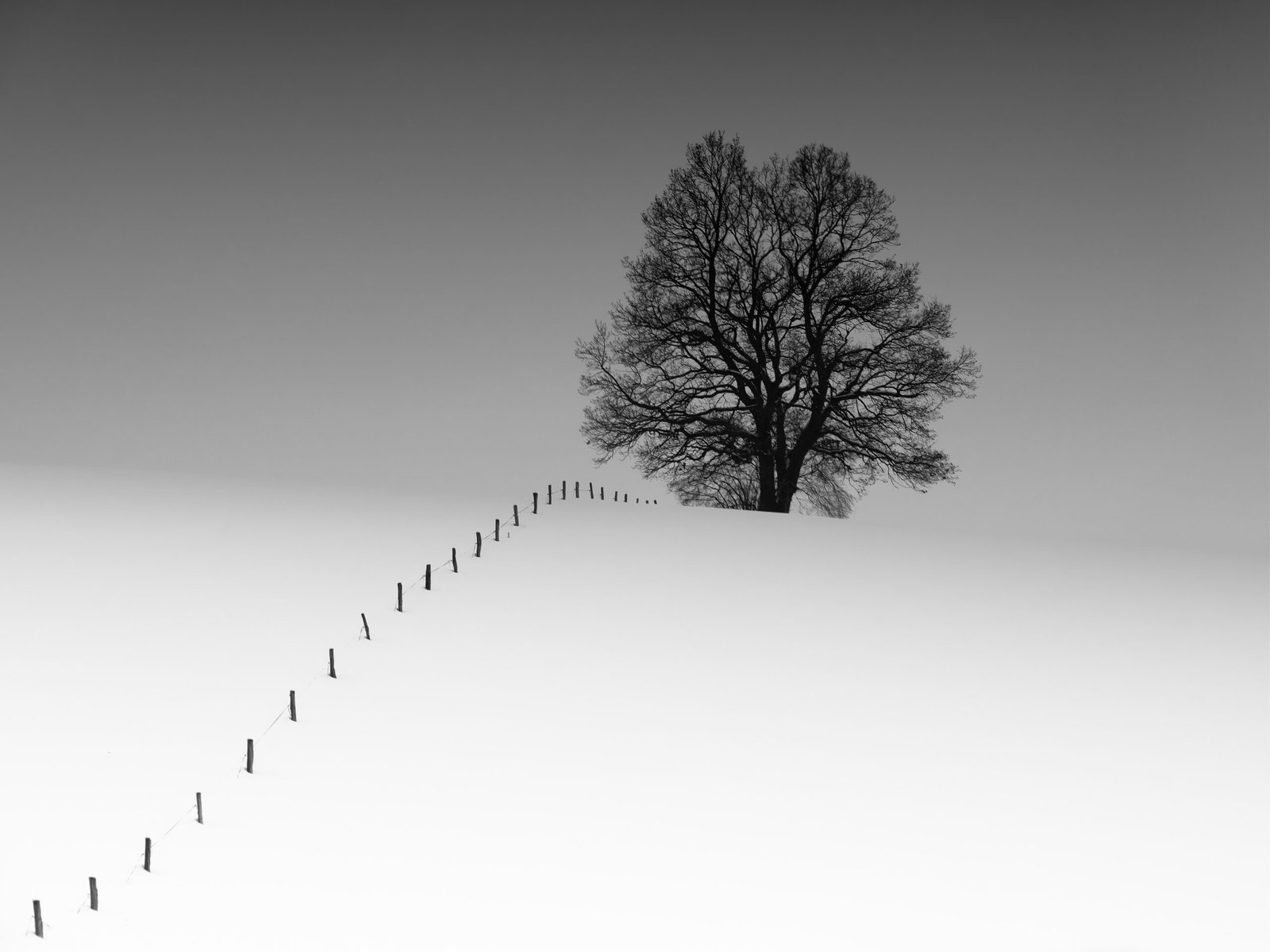
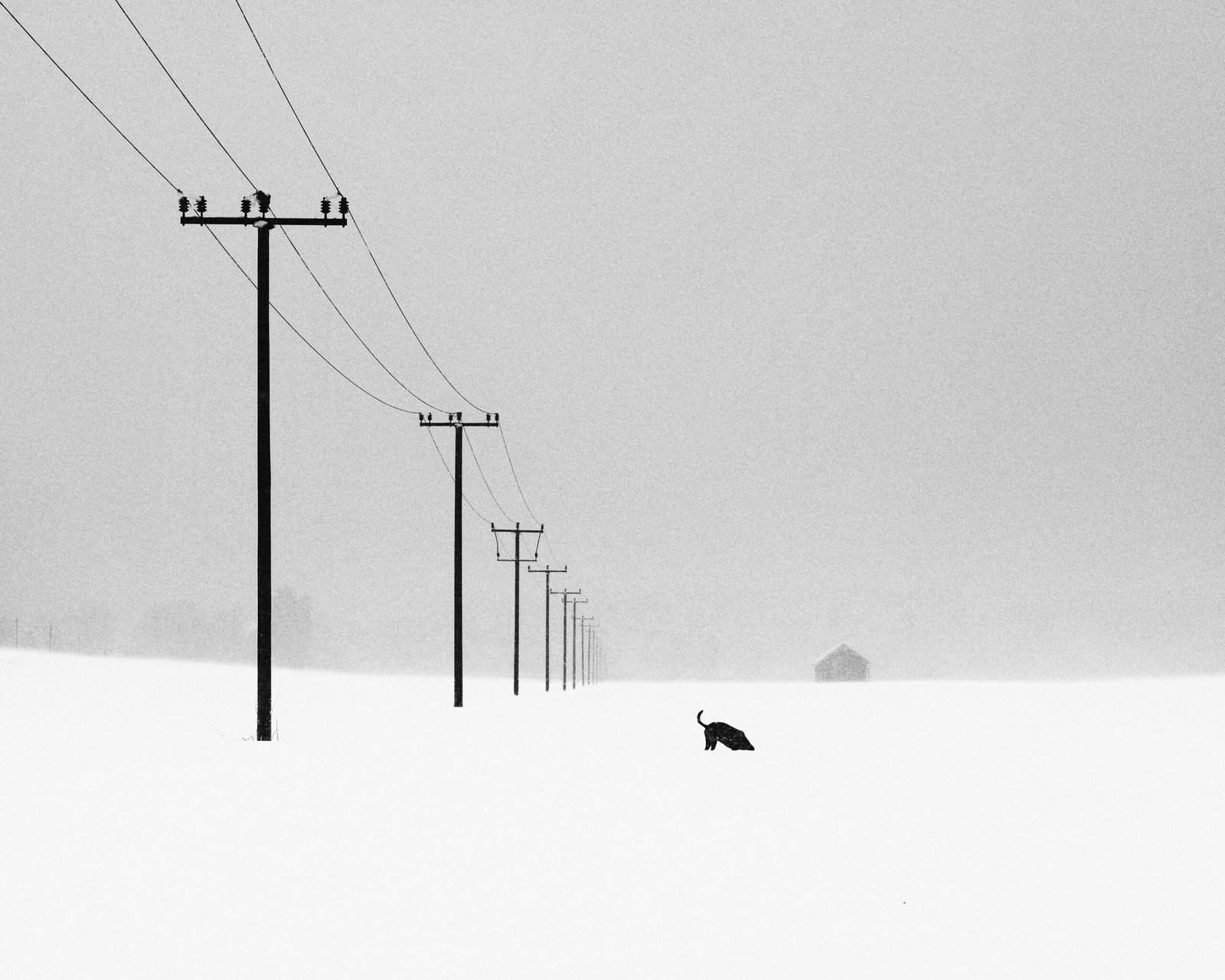
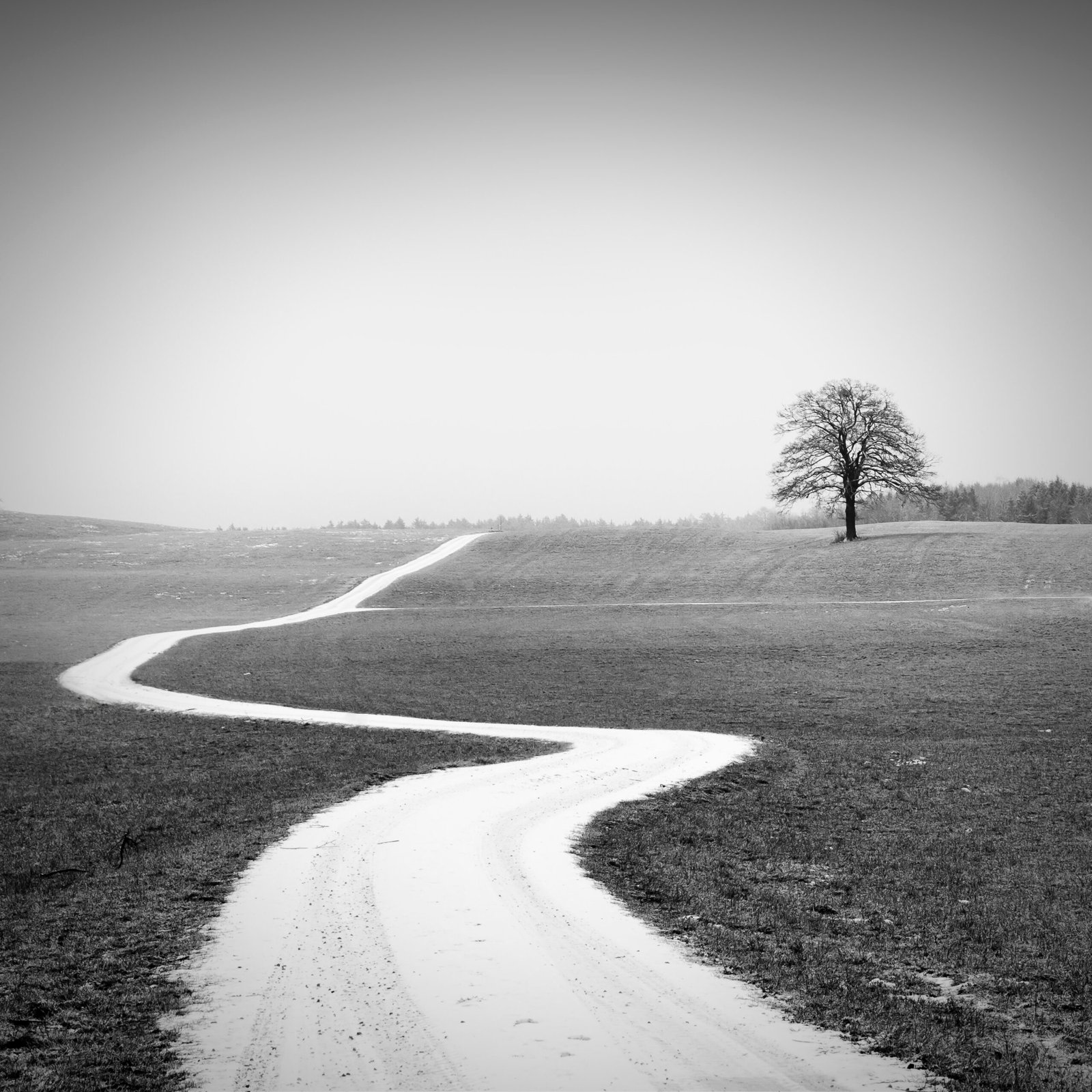
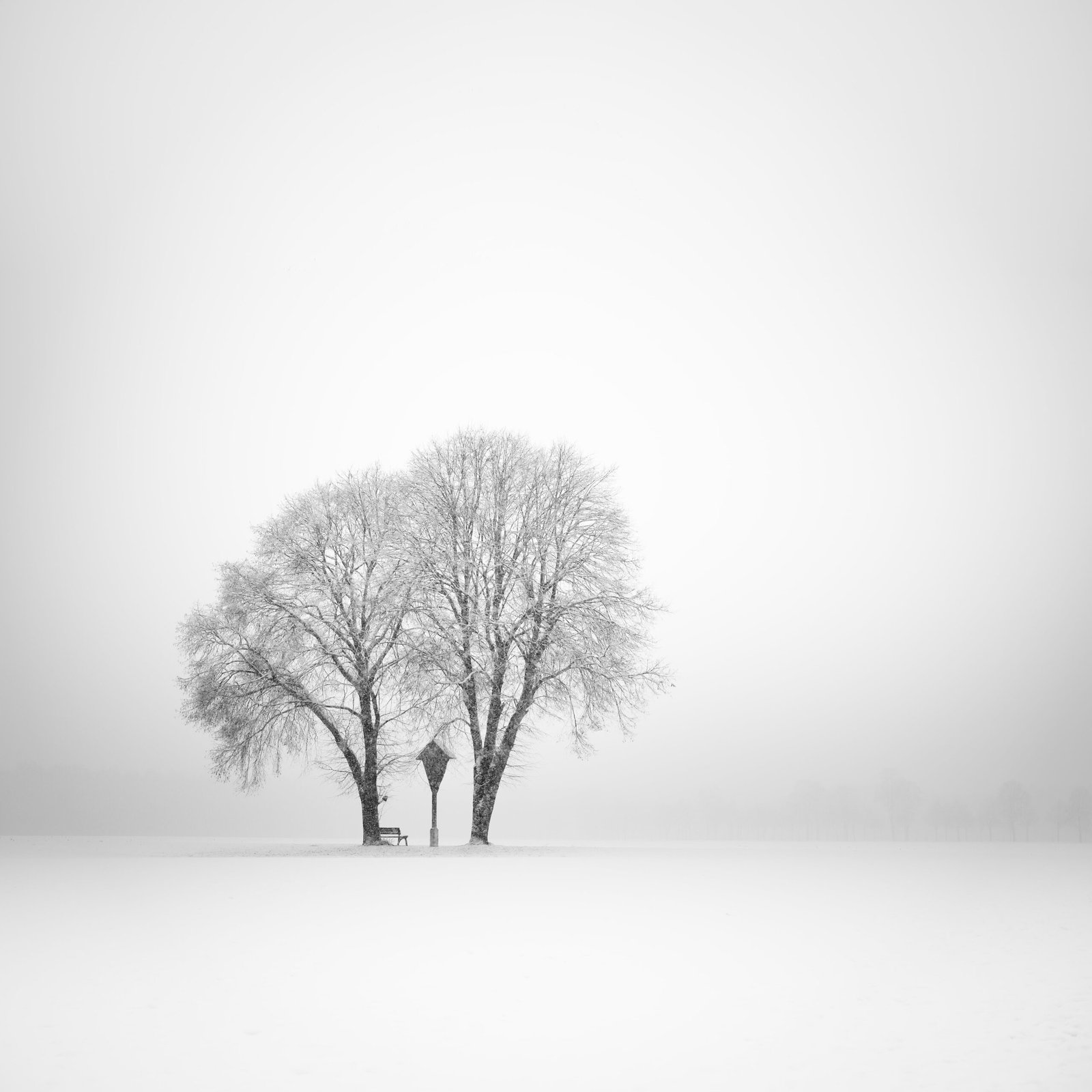
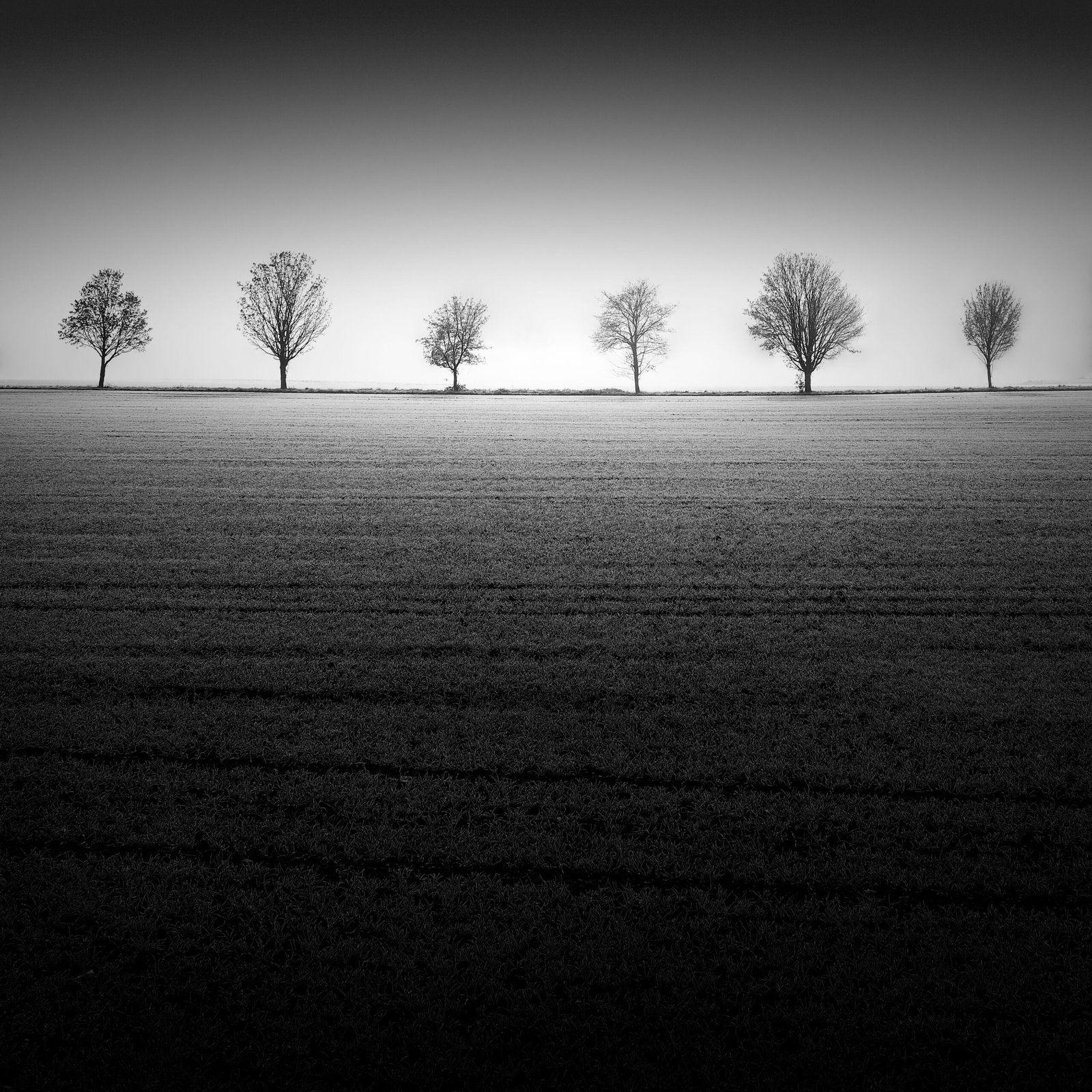
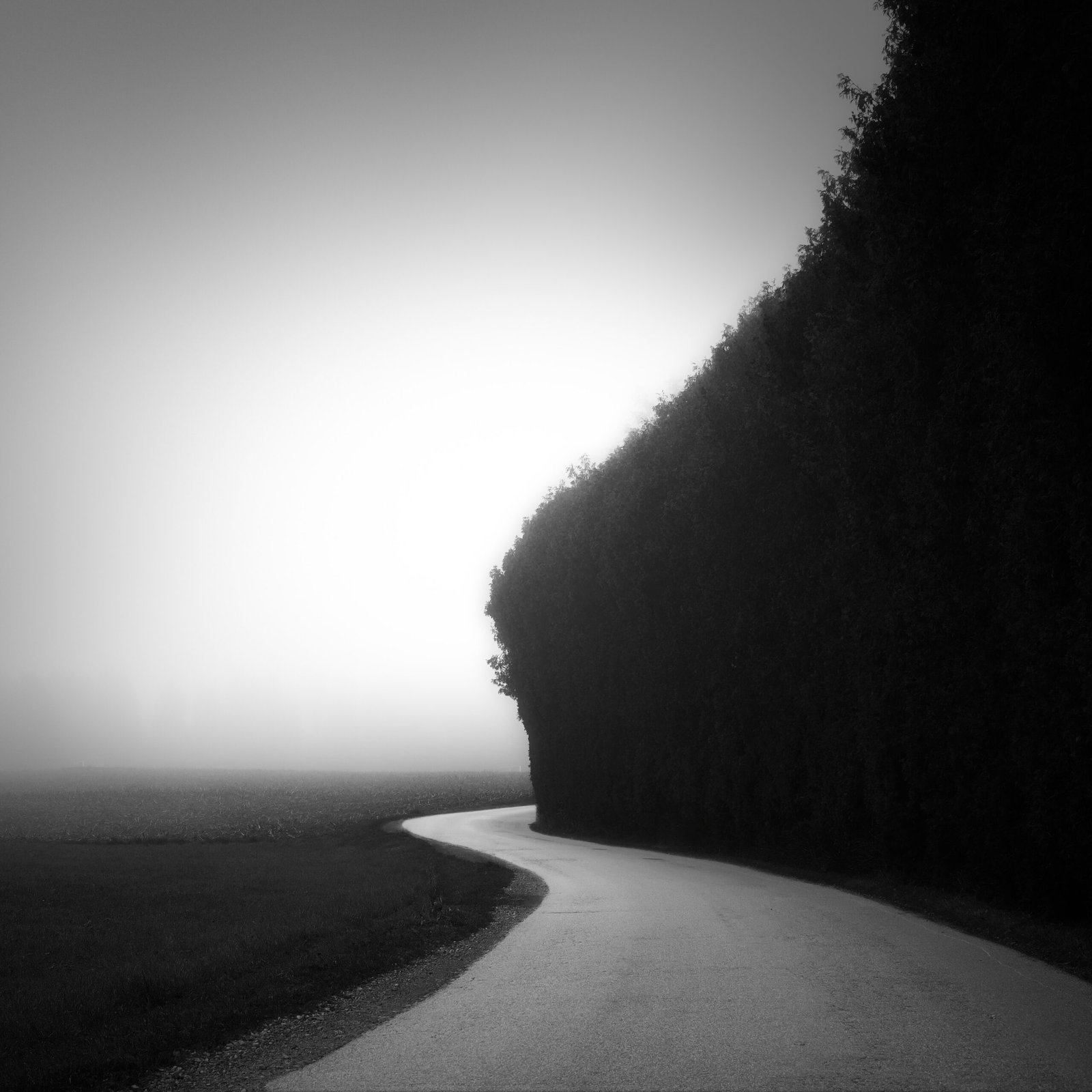
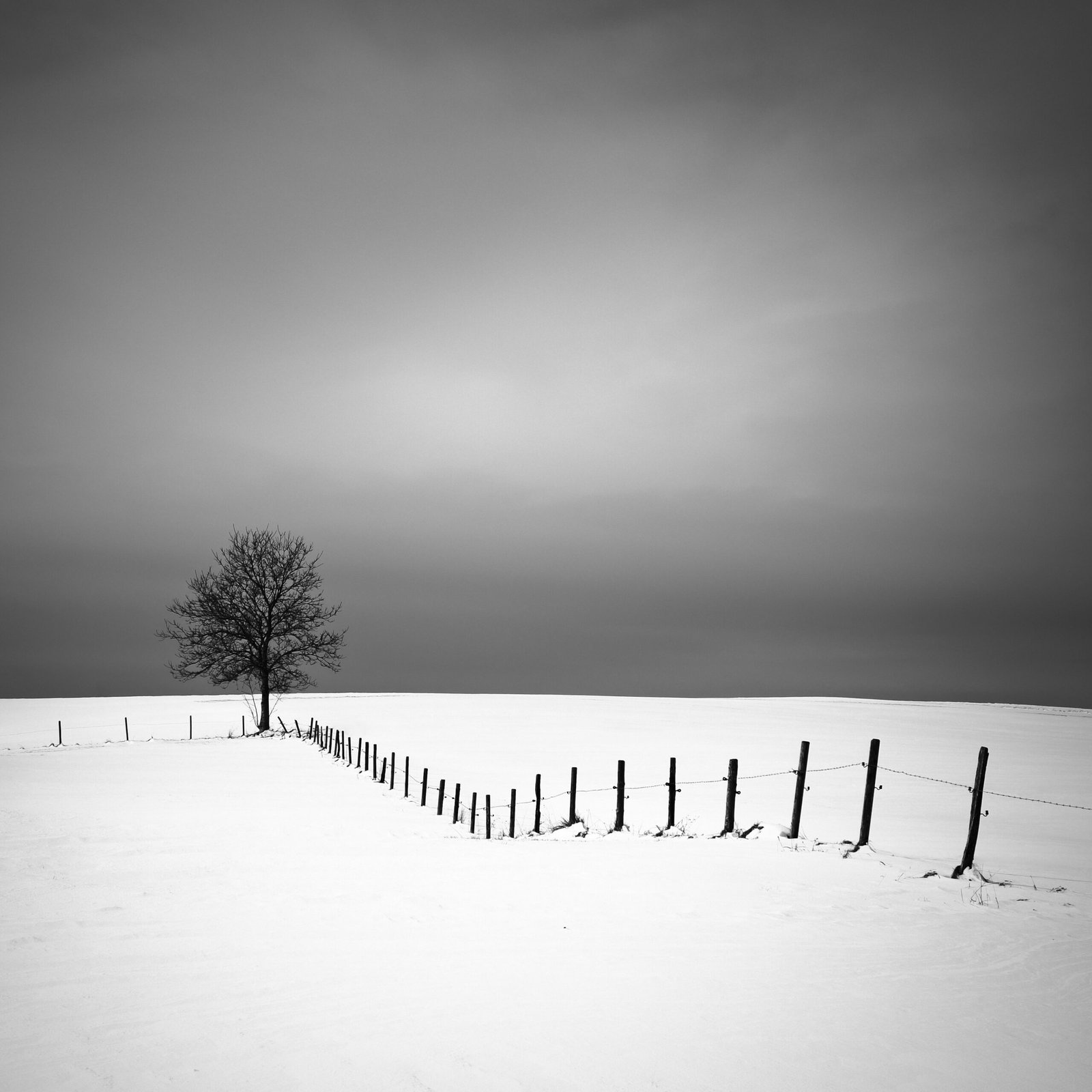
Minimalism emerged as a natural conclusion. I discovered that nothing is more satisfying than allowing the viewer's eye to rest on one subject, or perhaps just a few carefully chosen elements. Every additional object in the frame has to justify its presence. Otherwise it distracts.
There is also a fascinating boundary in minimalist photography. If you reduce too much, the image risks becoming insignificant or overly abstract. The closer you get to that line without crossing it, the stronger the photograph becomes. Finding that balance feels almost magical.
My approach to photography is highly intuitive. I often feel that the moment my analytical mind takes over, the image rarely improves. Usually, it only confirms that my intuition was right from the beginning.
Minimalism emerged as a natural conclusion. I discovered that nothing is more satisfying than allowing the viewer's eye to rest on one subject, or perhaps just a few carefully chosen elements. Every additional object in the frame has to justify its presence. Otherwise it distracts.
There is also a fascinating boundary in minimalist photography. If you reduce too much, the image risks becoming insignificant or overly abstract. The closer you get to that line without crossing it, the stronger the photograph becomes. Finding that balance feels almost magical.
How would you describe minimalist photography, and what does it mean to you personally?
To me, minimalist photography is like a great conversation or a brilliant presentation. It communicates a core message with astonishing clarity while using as little as necessary.
The best photographs are like the best quotes or elevator pitches. They are simple, accessible, and immediately understandable, even to someone with no prior knowledge of the subject.
Minimalism is not about removing elements for the sake of removing them. It is about creating clarity. It helps guide the viewer directly to what matters most and allows the image to speak without unnecessary noise.
The best photographs are like the best quotes or elevator pitches. They are simple, accessible, and immediately understandable, even to someone with no prior knowledge of the subject.
Minimalism is not about removing elements for the sake of removing them. It is about creating clarity. It helps guide the viewer directly to what matters most and allows the image to speak without unnecessary noise.
Was there a particular image or photographer that changed the way you see photography?
Not really.
I have never been strongly influenced by one particular photographer or a single image. Instead, I have always studied good photography in general. What fascinates me most is not the subject itself but the series of decisions behind the finished image.
Photography is a chain of intentional choices. What to photograph, when to photograph it, how to compose it, how to expose it, what to include, what to remove, and finally how to process it. I am deeply curious about those decisions.
I often look through an image rather than at it, trying to understand the choices that shaped it and why the photographer made them.
I can be inspired by photographers whose work looks nothing like mine. If I admire the decisions they made to achieve their vision, I find it inspiring regardless of style or genre.
I have never been strongly influenced by one particular photographer or a single image. Instead, I have always studied good photography in general. What fascinates me most is not the subject itself but the series of decisions behind the finished image.
Photography is a chain of intentional choices. What to photograph, when to photograph it, how to compose it, how to expose it, what to include, what to remove, and finally how to process it. I am deeply curious about those decisions.
I often look through an image rather than at it, trying to understand the choices that shaped it and why the photographer made them.
I can be inspired by photographers whose work looks nothing like mine. If I admire the decisions they made to achieve their vision, I find it inspiring regardless of style or genre.
Why do you choose black and white over color in certain works?
One practical reason is that I am colorblind and have always struggled with color. I deeply admire photographers who create magic through color because it is something that does not come naturally to me.
Beyond that, I feel that color can easily become part of the conversation rather than supporting the main subject.
Colors are talkative.
They attract attention and compete with the primary message of the image.
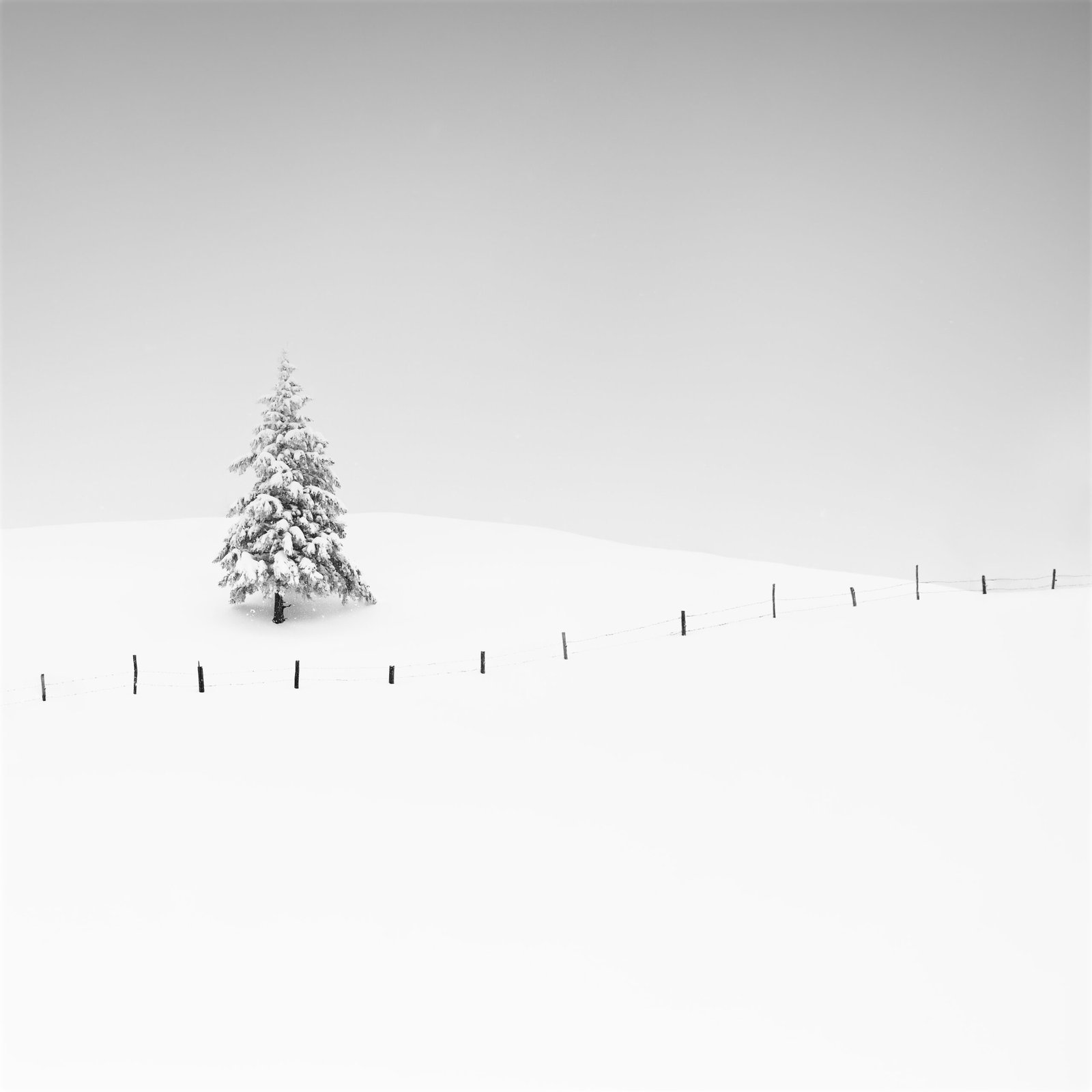
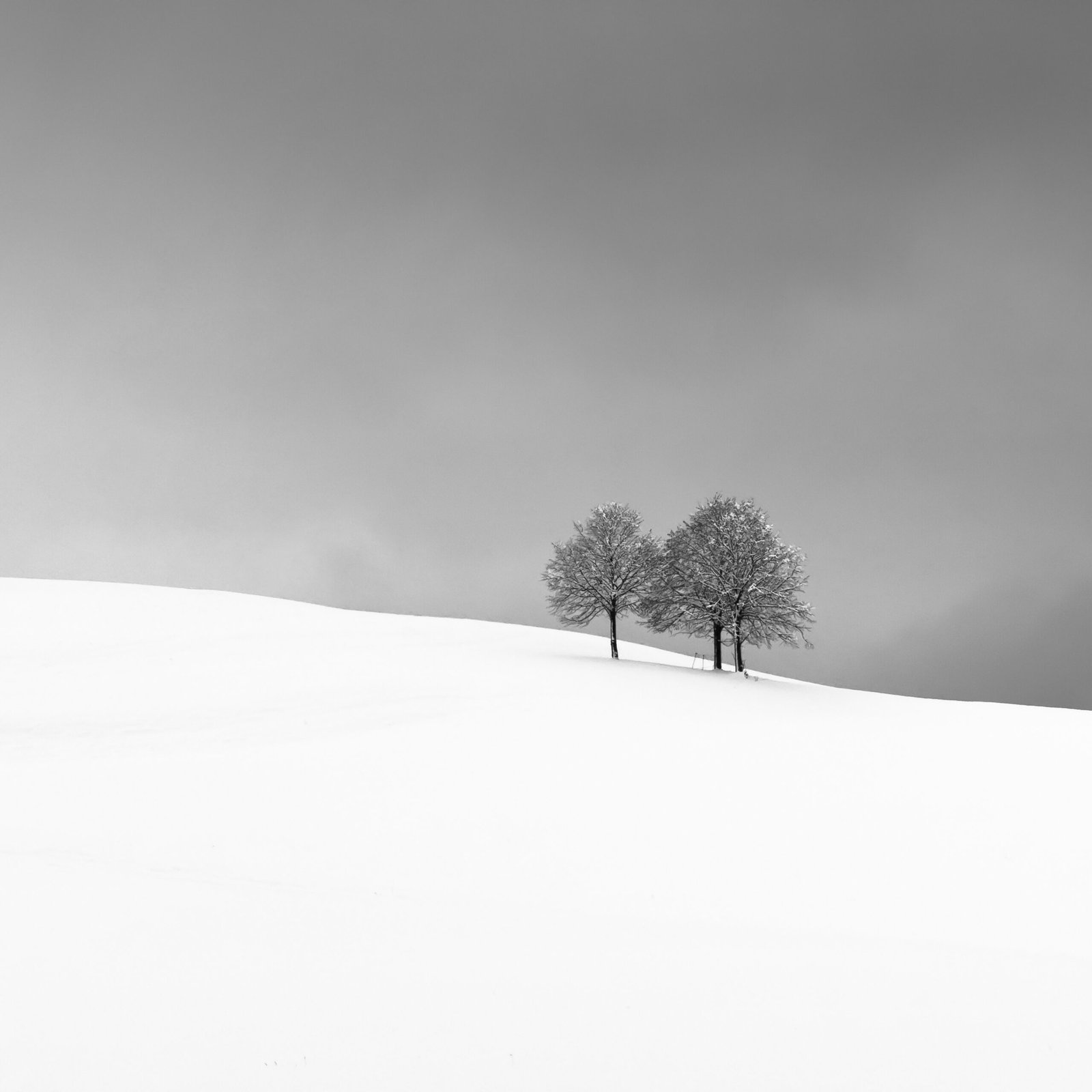
Black and white strips away that distraction. It allows form, light, shadow, texture, and mood to take center stage.
Of course, there are situations where color itself is the subject. In those cases it can be incredibly powerful. But when working in minimalism, I often find black and white to be the most direct path to clarity.
Beyond that, I feel that color can easily become part of the conversation rather than supporting the main subject.
Colors are talkative.
They attract attention and compete with the primary message of the image.
Black and white strips away that distraction. It allows form, light, shadow, texture, and mood to take center stage.
Of course, there are situations where color itself is the subject. In those cases it can be incredibly powerful. But when working in minimalism, I often find black and white to be the most direct path to clarity.
What makes a memorable photograph, in your opinion?
A memorable image touches something universal. It creates a reaction, a thought, a feeling, or simply makes people stop for a moment longer than they intended.
The more different kinds of people find a photograph memorable, the more memorable it truly is.
Technical perfection alone is never enough.
What remains in our memory is how an image made us feel.
The more different kinds of people find a photograph memorable, the more memorable it truly is.
Technical perfection alone is never enough.
What remains in our memory is how an image made us feel.
Do you believe gear matters in minimalist photography? What equipment do you currently use?
I have never believed that equipment is the defining factor in photography.
A camera simply needs to be capable of expressing your vision clearly. Beyond that, it is a tool. Art is driven by decisions, not technology.
In minimalist photography, gear matters even less. The essence lies in seeing, simplifying, and communicating.
Currently, I use a Fujifilm X-T3, though I may upgrade in the future. I also regularly use my iPhone 15 Pro Max because it is always with me.
The best camera is still the one I have with me.
I have never pursued maximum pixel counts or technical perfection. Perfection can be destructive in art. What matters is whether the image communicates something meaningful.
A camera simply needs to be capable of expressing your vision clearly. Beyond that, it is a tool. Art is driven by decisions, not technology.
In minimalist photography, gear matters even less. The essence lies in seeing, simplifying, and communicating.
Currently, I use a Fujifilm X-T3, though I may upgrade in the future. I also regularly use my iPhone 15 Pro Max because it is always with me.
The best camera is still the one I have with me.
I have never pursued maximum pixel counts or technical perfection. Perfection can be destructive in art. What matters is whether the image communicates something meaningful.
What inspires you outside of photography?
A simple life. Peace. Quiet moments.
I am inspired by being in nature, by mountains, by weather, by movement, and by moments of flow when everything feels effortless and fully present.
Those experiences influence photography far more than photography itself.
I am inspired by being in nature, by mountains, by weather, by movement, and by moments of flow when everything feels effortless and fully present.
Those experiences influence photography far more than photography itself.
If you could be any animal in the world, what animal would you be and why?
A snow leopard.
It lives in the mountains, thrives in harsh environments, and carries a sense of independence and quiet strength. I have always loved mountains and snow, so the choice feels natural.
It lives in the mountains, thrives in harsh environments, and carries a sense of independence and quiet strength. I have always loved mountains and snow, so the choice feels natural.
What advice would you give to photographers who want to explore black and white minimalist photography?
Learn to see with your heart before you see with your camera.
Study the work of other photographers, not to imitate them but to understand their decisions.
Pay attention to weather conditions, light, fog, snow, atmosphere, and soft light. These elements help isolate a subject naturally.
Learn post-processing. For me, editing is not an afterthought but an essential part of the creative process. It is where the final image finds its voice and mood.
Most importantly, be selective. Show only your strongest work. A small collection of excellent photographs is far more powerful than a large collection of average ones.
Study the work of other photographers, not to imitate them but to understand their decisions.
Pay attention to weather conditions, light, fog, snow, atmosphere, and soft light. These elements help isolate a subject naturally.
Learn post-processing. For me, editing is not an afterthought but an essential part of the creative process. It is where the final image finds its voice and mood.
Most importantly, be selective. Show only your strongest work. A small collection of excellent photographs is far more powerful than a large collection of average ones.
Any final words or reflections you would like to leave with our readers?
Photography has taught me how to see.
Not just with my eyes, but with intuition, emotion, and curiosity.
It has also taught me to slow down.
All art, regardless of the medium, is ultimately about human decisions and expression. The camera is only one part of that process. What matters most is the intention behind every choice you make.
Thank you for reading.
Not just with my eyes, but with intuition, emotion, and curiosity.
It has also taught me to slow down.
All art, regardless of the medium, is ultimately about human decisions and expression. The camera is only one part of that process. What matters most is the intention behind every choice you make.
Thank you for reading.