Tell us about yourself and your journey in photography.
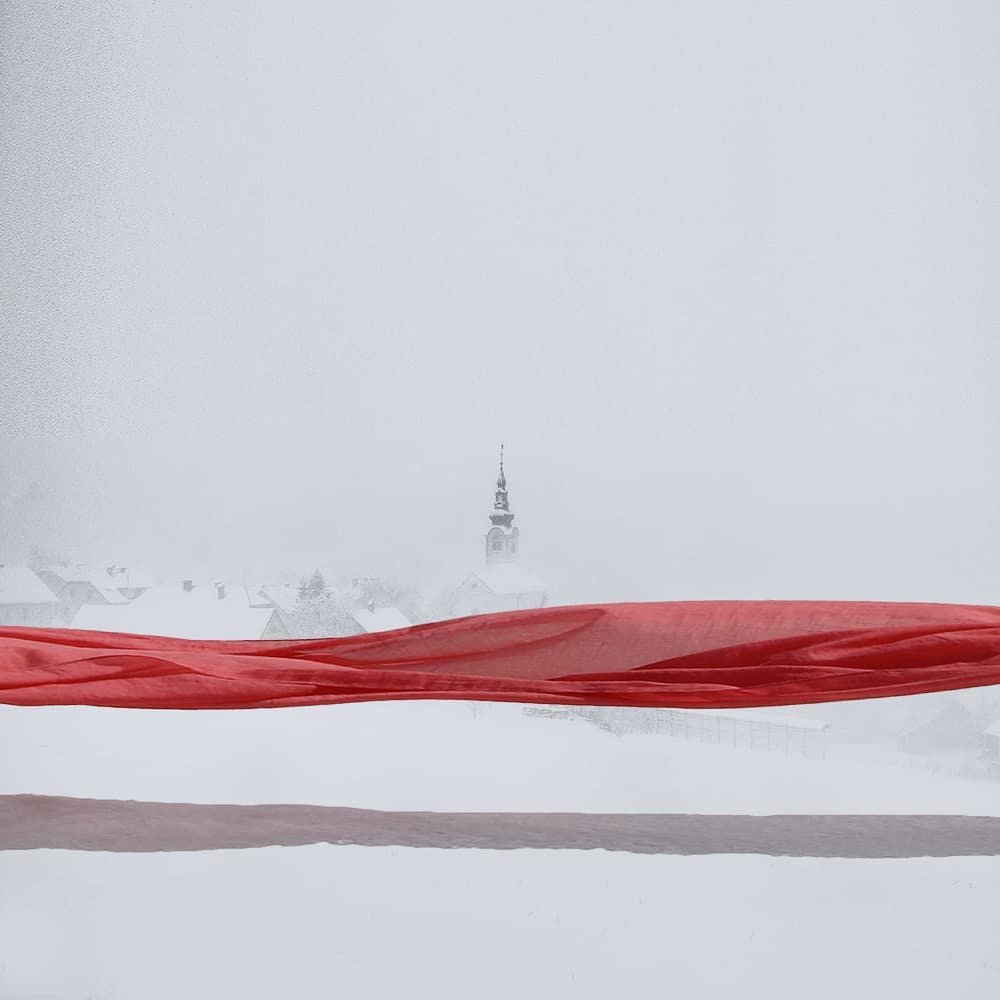
My name is Marco Maljaars, and I am a self-taught, international award-winning fine art photographer from the Netherlands. I specialize in minimalist black-and-white landscape photography, heavily utilizing long exposure techniques. I live in Velsen, a coastal municipality near the North Sea and the Markermeer lake. This unique, watery environment serves as the primary canvas for my work. My photography has earned accolades at prestigious competitions like the Minimalist Photography Awards and the reFocus Awards.
Today, my focus extends far beyond just creating my own art; I am highly passionate about teaching and mentoring. I regularly give lectures, host specialized photography workshops, and dedicate a lot of my time to sharing my knowledge, techniques, and artistic vision with fellow photographers who want to grow in this beautiful craft.
Today, my focus extends far beyond just creating my own art; I am highly passionate about teaching and mentoring. I regularly give lectures, host specialized photography workshops, and dedicate a lot of my time to sharing my knowledge, techniques, and artistic vision with fellow photographers who want to grow in this beautiful craft.
What first drew you to photography, and what later attracted you to minimalist photography specifically?
My photographic journey began in my teenage years when I got my hands on an analog Olympus camera. At around fourteen years old, I spent a lot of time near the Velsertunnel in my hometown, experimenting with slow shutter speeds. I was entirely fascinated by how time could stretch on film.
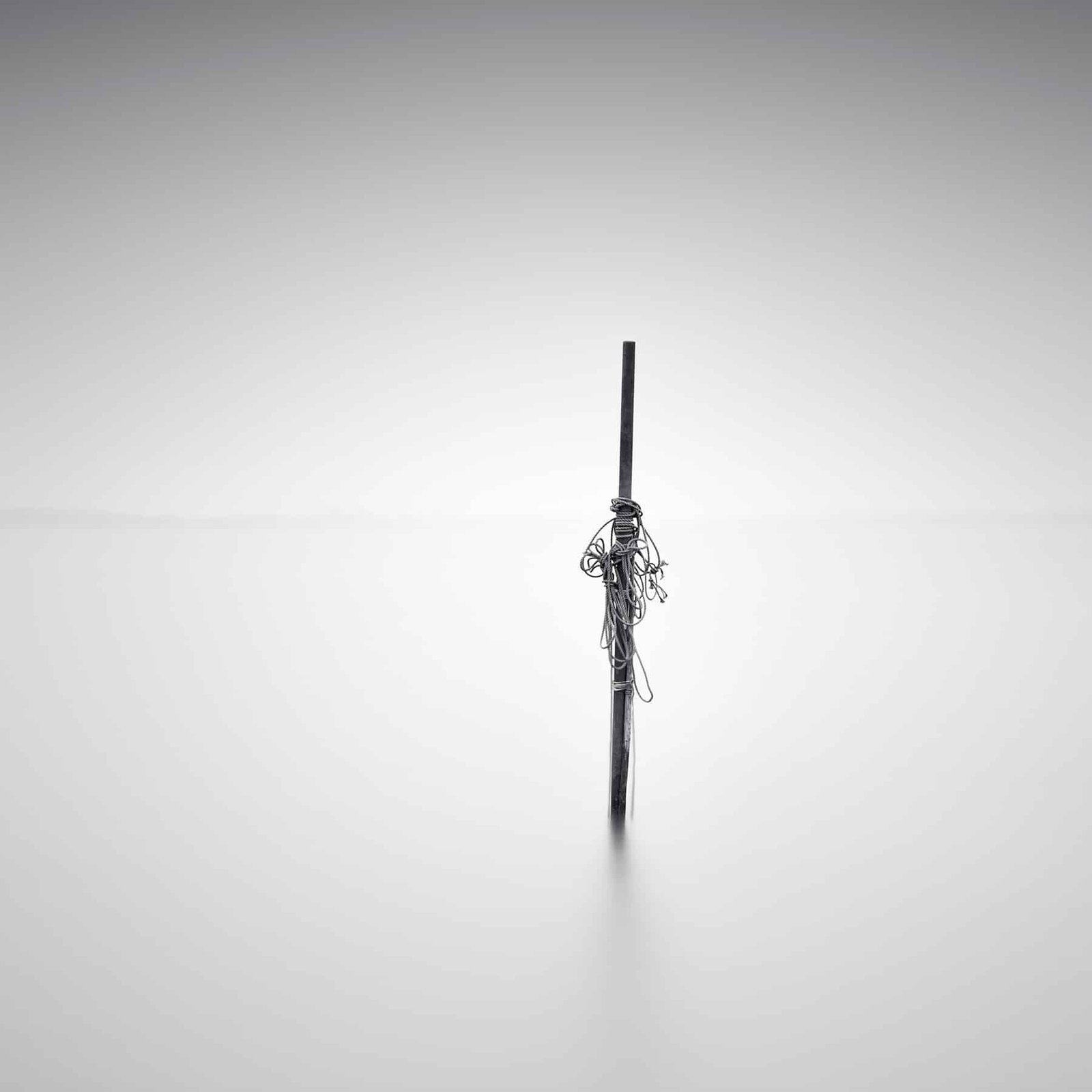
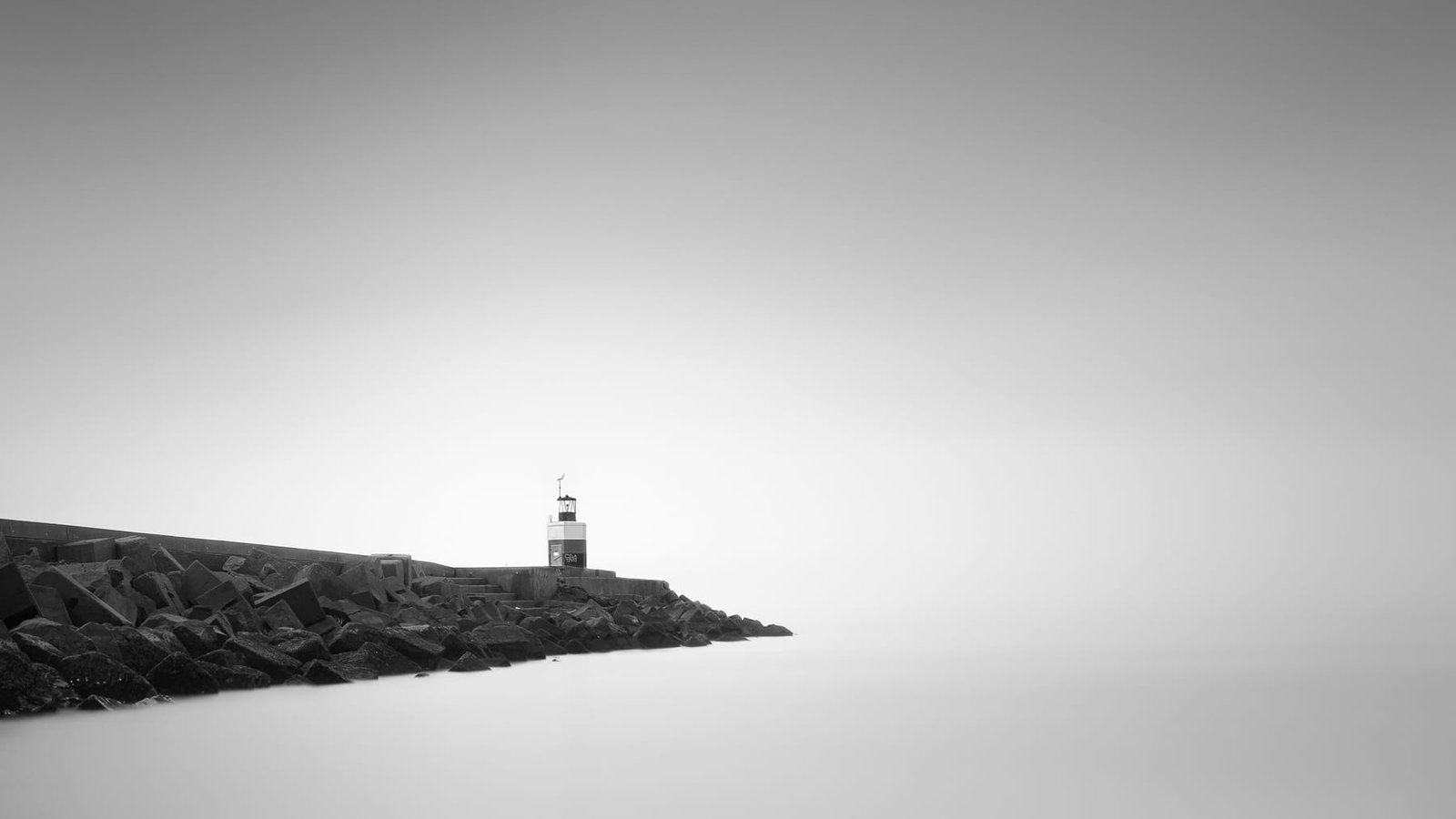
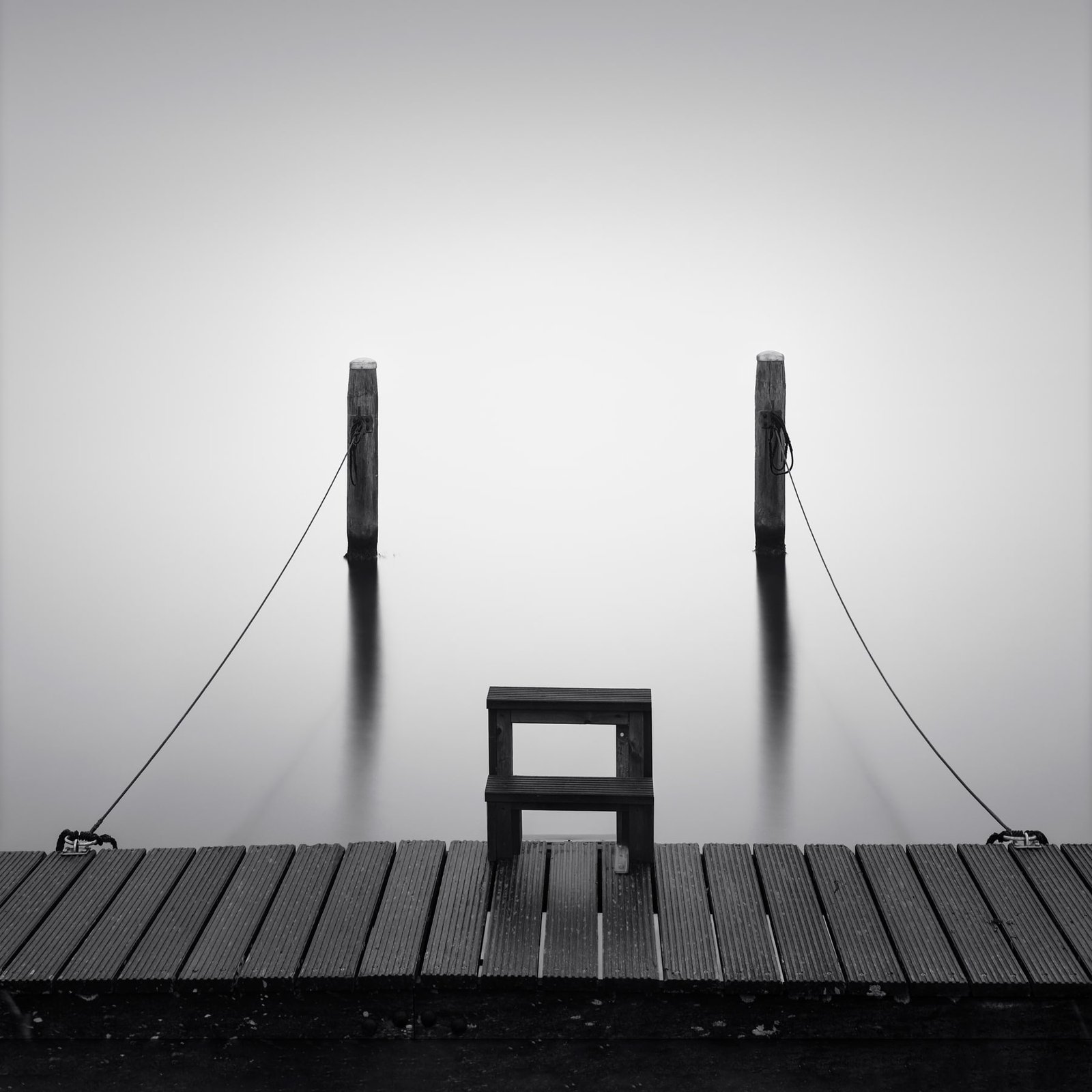
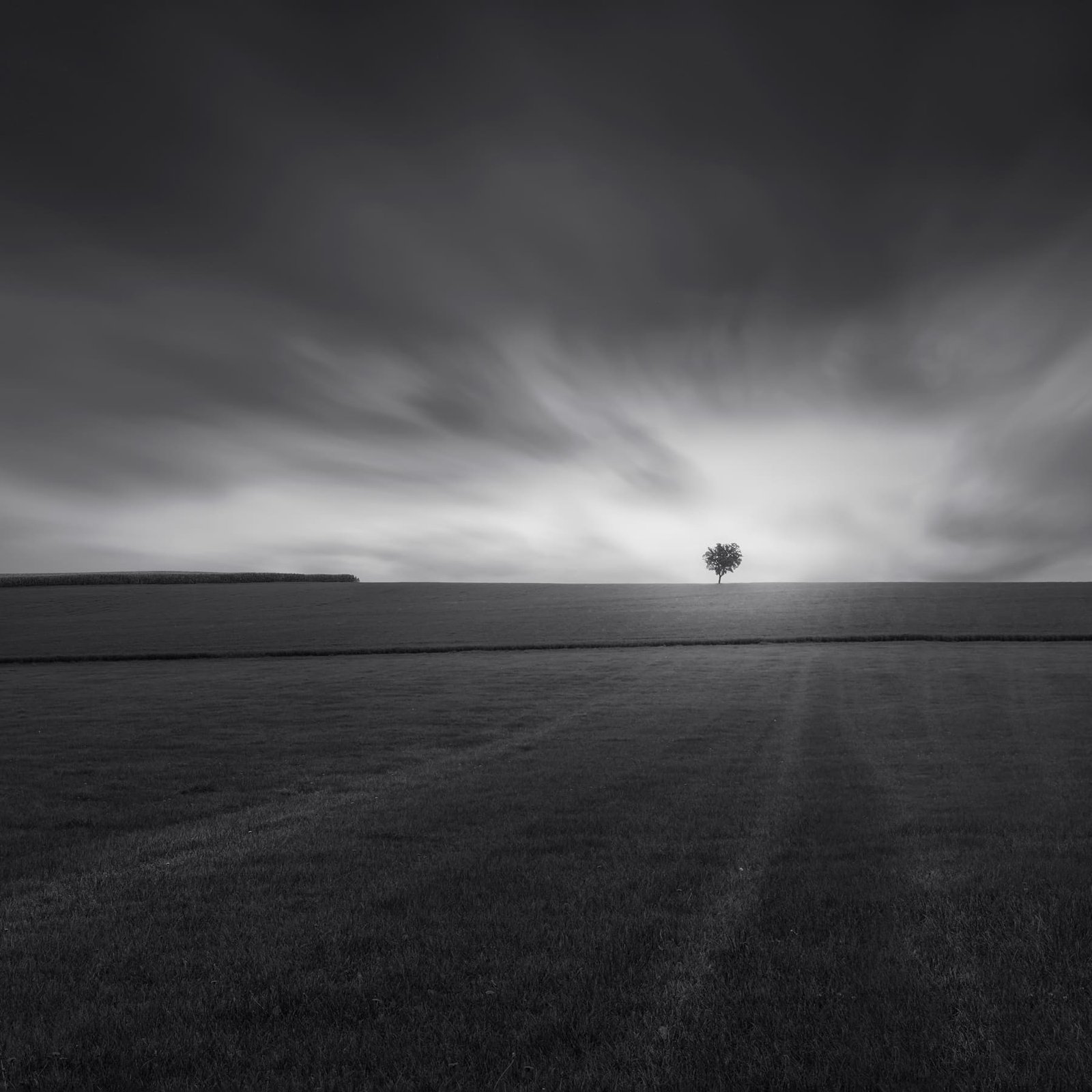
As I transitioned into digital photography, I felt the urge to simplify. I deliberately moved away from trying to fit every detail into a single frame. Instead, I became deeply attracted to finding a single, isolated subject in a vast landscape—such as a lone tree or a distant pole—to create a sense of absolute stillness.
As I transitioned into digital photography, I felt the urge to simplify. I deliberately moved away from trying to fit every detail into a single frame. Instead, I became deeply attracted to finding a single, isolated subject in a vast landscape—such as a lone tree or a distant pole—to create a sense of absolute stillness.
How would you describe minimalist photography, and what does it mean to you personally?
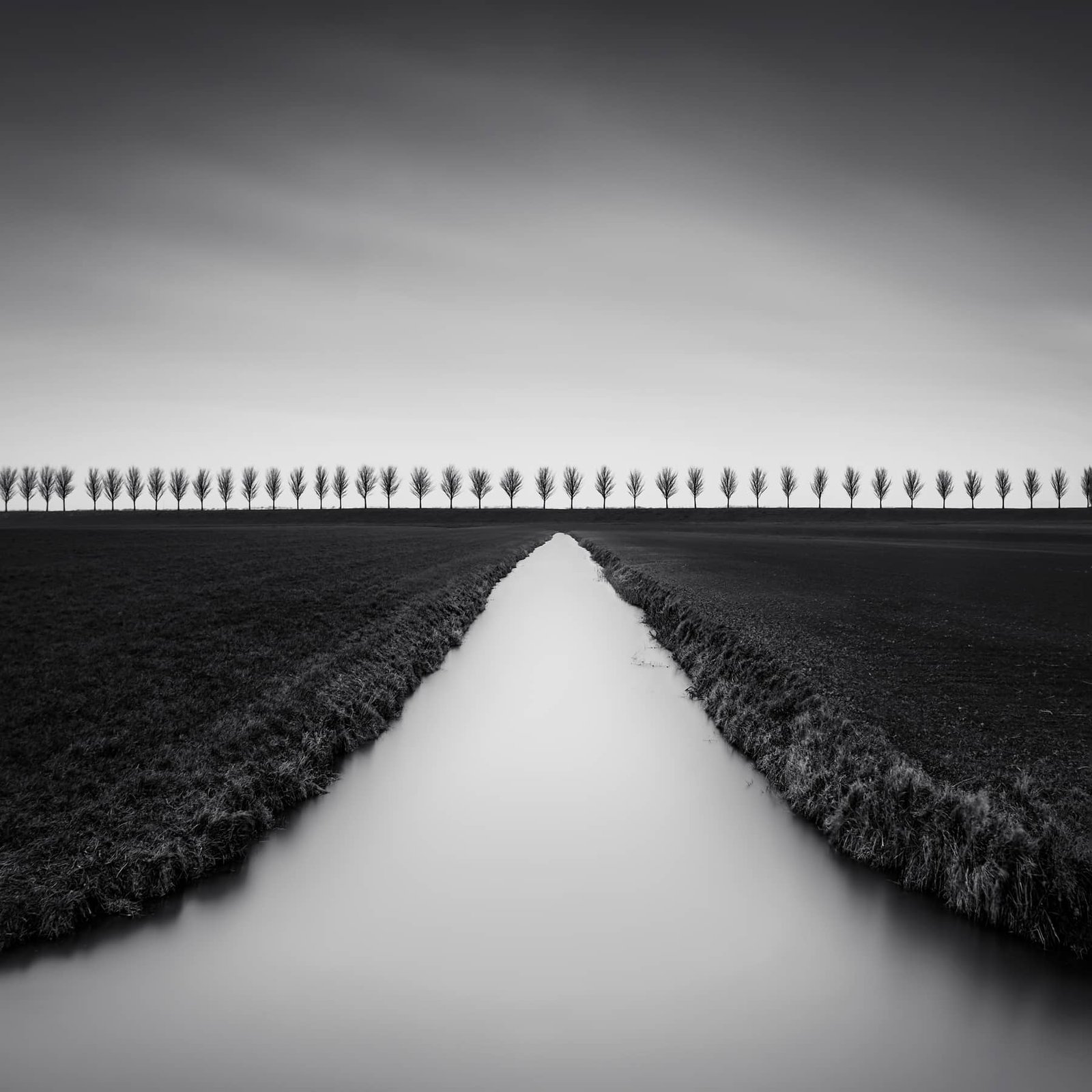
To me, minimalist photography is the art of subtraction. It is about stripping away the visual chaos, distractions, and noise of the everyday world until only the absolute core of the subject remains. Personally, it represents a form of meditation and peace. By creating simple, balanced compositions, I can capture a sense of tranquility, silence, and serenity that is often missing in our busy, modern lives.
This is also something I see shifting within the students who attend my workshops. When they start practicing minimalist photography and working with long exposure techniques, they quickly experience a profound sense of meditation, peace, and calmness. The process forces them to slow down, disconnect from the frantic pace of daily life, and truly connect with the stillness of the landscape around them.
This is also something I see shifting within the students who attend my workshops. When they start practicing minimalist photography and working with long exposure techniques, they quickly experience a profound sense of meditation, peace, and calmness. The process forces them to slow down, disconnect from the frantic pace of daily life, and truly connect with the stillness of the landscape around them.
Was there a particular image or photographer that changed the way you see photography?
Yes, absolutely. My primary inspiration came about 15 years ago when I discovered the work of Joel Tjintjelaar. His magical black-and-white style and specialized silver toning deeply resonated with me and completely changed how I viewed the medium. While Joel is mainly active in architectural photography, his vision inspired me to take those concepts and specialize further into waterscapes and landscapes.
Additionally, the earlier work of the British minimalist photographer Nick Green played a significant role in shaping my artistic eye. His clean, black-and-white compositions and masterful long exposures further directed my journey toward fine art photography
Additionally, the earlier work of the British minimalist photographer Nick Green played a significant role in shaping my artistic eye. His clean, black-and-white compositions and masterful long exposures further directed my journey toward fine art photography
Why do you choose black and white over color in certain works?
I choose black and white because color can often be a distraction in minimalist landscapes. Colors pull the viewer's attention toward reality, whereas I want to invite them into a surreal, emotional space. Stripping away the color forces the viewer to focus entirely on the fundamental structural elements of the image: the lines, the shapes, the textures, and the powerful contrast between light and shadow.
What makes a memorable photograph, in your opinion?
In my opinion, a memorable photograph is not just technically perfect; it must evoke an emotional response. It should make the viewer pause, slow down, and feel something. In minimalist photography, a memorable image creates a powerful dialogue between the single subject and the empty space surrounding it. When an image can convey deep emotion and a sense of timelessness using very few elements, it stays with the viewer forever.
Do you believe gear matters in minimalist photography? What equipment do you currently use?
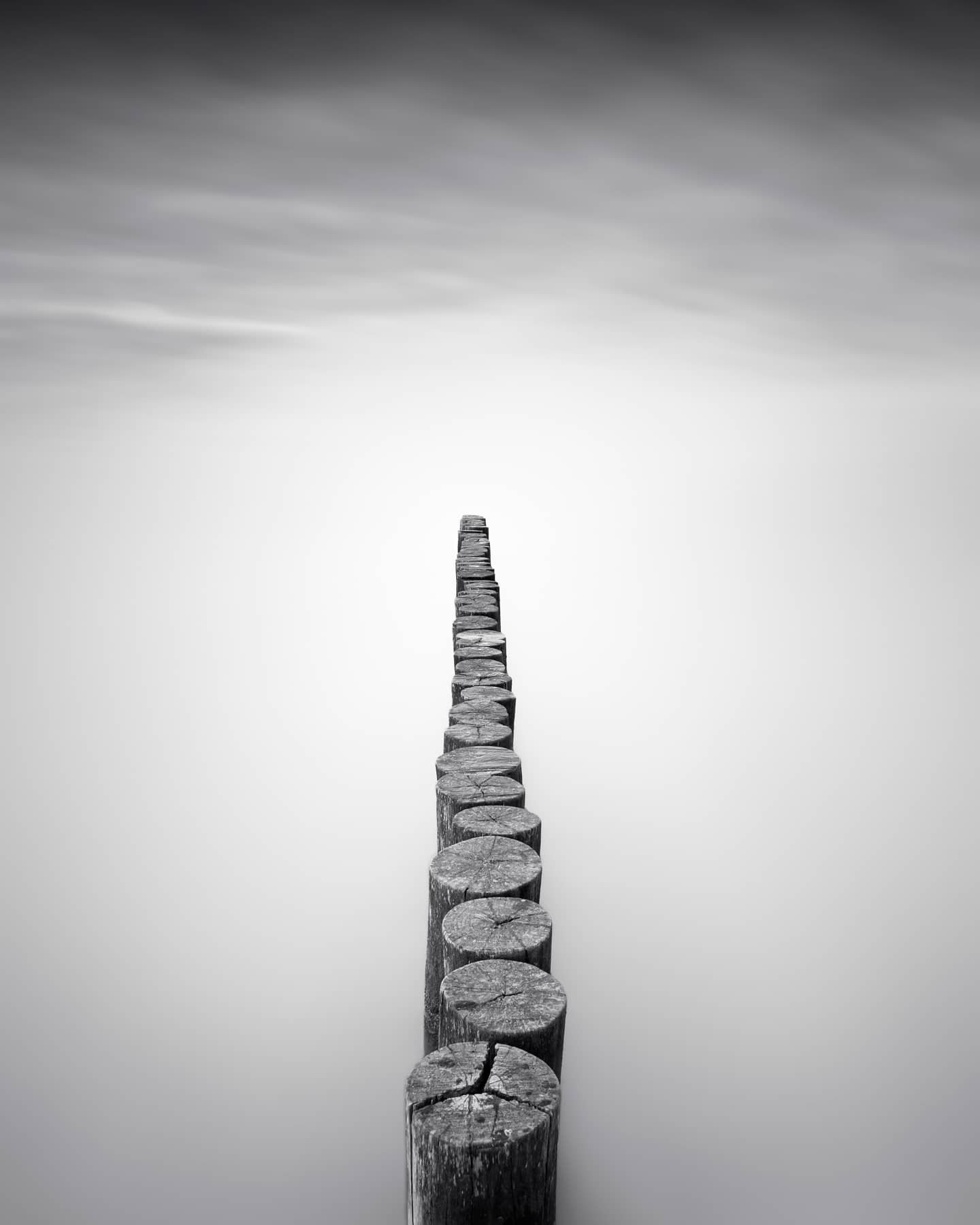
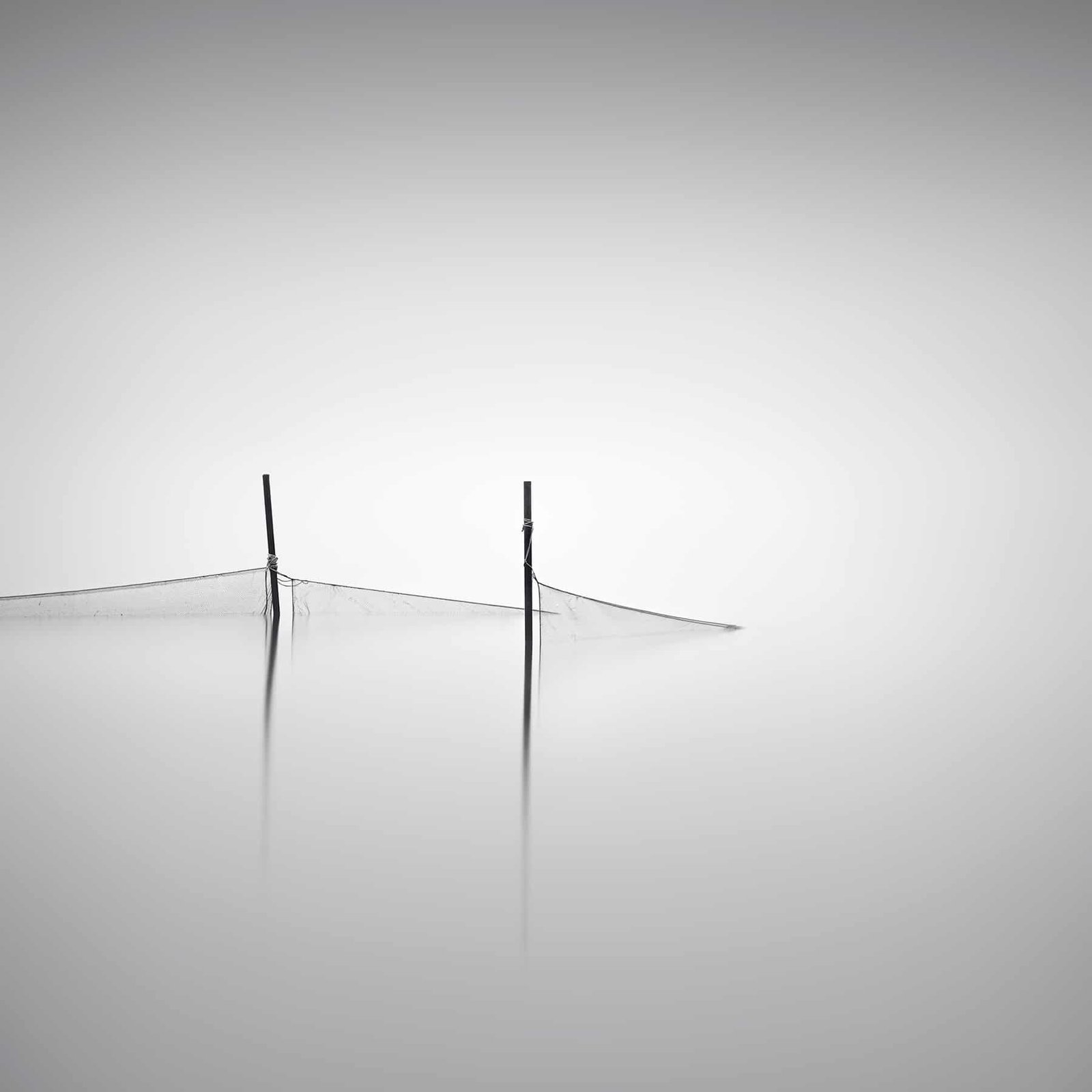
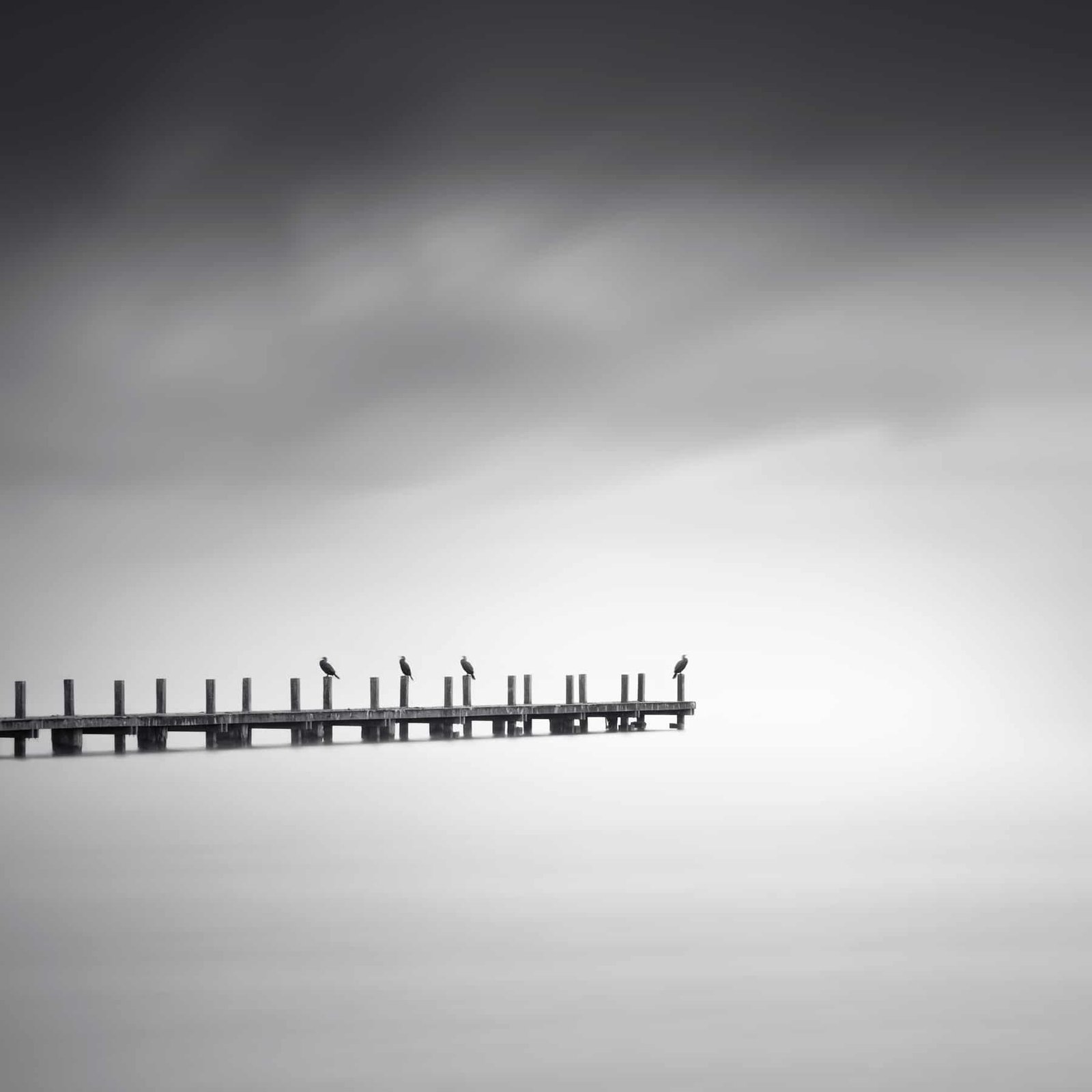
Gear is a tool, but it does not create the vision. In minimalism, your eye and your patience matter far more than having the most expensive camera. However, specialized equipment is necessary to achieve the long-exposure look.
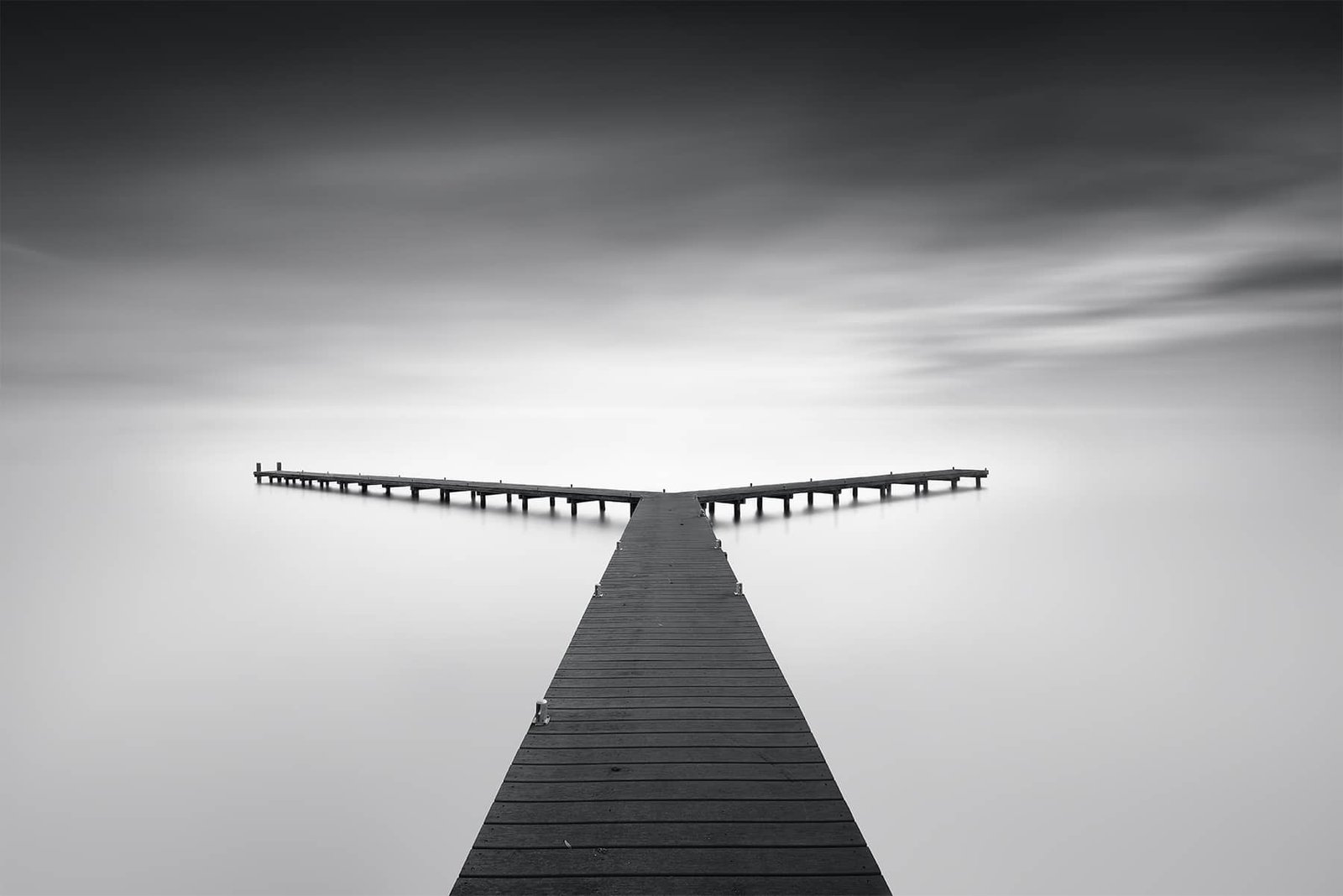
To control the extreme exposure times required to smooth out water and clouds, high-quality Neutral Density (ND) filters are essential. I use a reliable digital camera body paired with high-end filter systems to stretch my shutter speeds anywhere from 3 to over 10 minutes, transforming chaotic environments into smooth canvases.
To control the extreme exposure times required to smooth out water and clouds, high-quality Neutral Density (ND) filters are essential. I use a reliable digital camera body paired with high-end filter systems to stretch my shutter speeds anywhere from 3 to over 10 minutes, transforming chaotic environments into smooth canvases.
What inspires you outside of photography?
Outside of photography, I am inspired by technology, engineering and new ideas. With an engineering background, I naturally enjoy understanding how things work and finding ways to improve, refine or simplify them.
I am always curious about new technologies and techniques and enjoy experimenting with them. I like the process of taking something that already works and looking for ways to make it work better or more elegantly.
That mindset also influences my photography. I am always exploring new approaches, refining my techniques and looking for small improvements. For me, there is a lot of satisfaction in that continuous process of learning, experimenting and making things better.
I am always curious about new technologies and techniques and enjoy experimenting with them. I like the process of taking something that already works and looking for ways to make it work better or more elegantly.
That mindset also influences my photography. I am always exploring new approaches, refining my techniques and looking for small improvements. For me, there is a lot of satisfaction in that continuous process of learning, experimenting and making things better.
If you could be any animal in the world, what animal would you be and why?
An orca. They are intelligent, curious and constantly learning, but what really appeals to me is the combination of power, precision and adaptability. They move through a huge landscape of water and seem completely at home there.
And, of course, being black and white doesn't hurt when you're being interviewed by the Black & White Minimalism magazine.
And, of course, being black and white doesn't hurt when you're being interviewed by the Black & White Minimalism magazine.
What advice would you give to photographers who want to explore black and white minimalist photography?
If you want to explore this style, the most important skill to develop is learning how to isolate a single, compelling subject and deliberately remove any element that distracts from it. Minimalist photography requires immense patience, so you must learn to slow down, take your time, and wait for the perfect conditions like stillness, fog, or soft light.
To achieve the signature minimalist look, it is essential to invest in a good set of Neutral Density (ND) filters and master the technique of long exposure. Furthermore, you should study tonal contrast closely by applying the principles of Ansel Adams' famous Zone System; understanding how to place your deep blacks and luminous whites dictates the entire mood of a monochrome image. Finally, dedicate time to learning advanced post-processing tools in Photoshop, to truly bring out the drama and depth in your work.
To achieve the signature minimalist look, it is essential to invest in a good set of Neutral Density (ND) filters and master the technique of long exposure. Furthermore, you should study tonal contrast closely by applying the principles of Ansel Adams' famous Zone System; understanding how to place your deep blacks and luminous whites dictates the entire mood of a monochrome image. Finally, dedicate time to learning advanced post-processing tools in Photoshop, to truly bring out the drama and depth in your work.
Any final words or reflections you would like to leave with our readers?
I would like to encourage everyone to occasionally step away from the fast-paced noise of daily life and look for the beauty in simplicity. Photography has the power to capture things the human eye cannot naturally see, like the passage of time frozen in a single frame. Seek out the quiet places, embrace the stillness, and remember that sometimes in art—and in life—less is incredibly more.