Tell us about yourself and your journey in photography.
My photographic journey began more than twenty years ago. I have always been passionate about travel and discovering new places. Photography emerged naturally from that passion—initially as a way to capture experiences and impressions, and eventually as a medium of expression in its own right.
Unlike many photographers, I did not inherit a camera from my grandfather, nor was I introduced to photography through a family tradition. My path into photography was driven purely by personal curiosity and interest. I wanted to explore the world, understand it, and document it from my own perspective.
Unlike many photographers, I did not inherit a camera from my grandfather, nor was I introduced to photography through a family tradition. My path into photography was driven purely by personal curiosity and interest. I wanted to explore the world, understand it, and document it from my own perspective.
What first drew you to photography, and what later attracted you to minimalist photography specifically?
Street photography, in particular, has fascinated me from the very beginning. Observing everyday life, finding extraordinary moments within the ordinary, and working with light, shapes, and human presence have remained at the heart of my work throughout the years.
Another enduring passion of mine is architecture. For many years, I enjoyed incorporating architectural elements and urban backdrops into my street photography. Buildings, lines, geometric forms, and the interaction between people and the built environment became an essential part of my visual storytelling, often serving as more than just a backdrop—they became protagonists in the composition themselves.
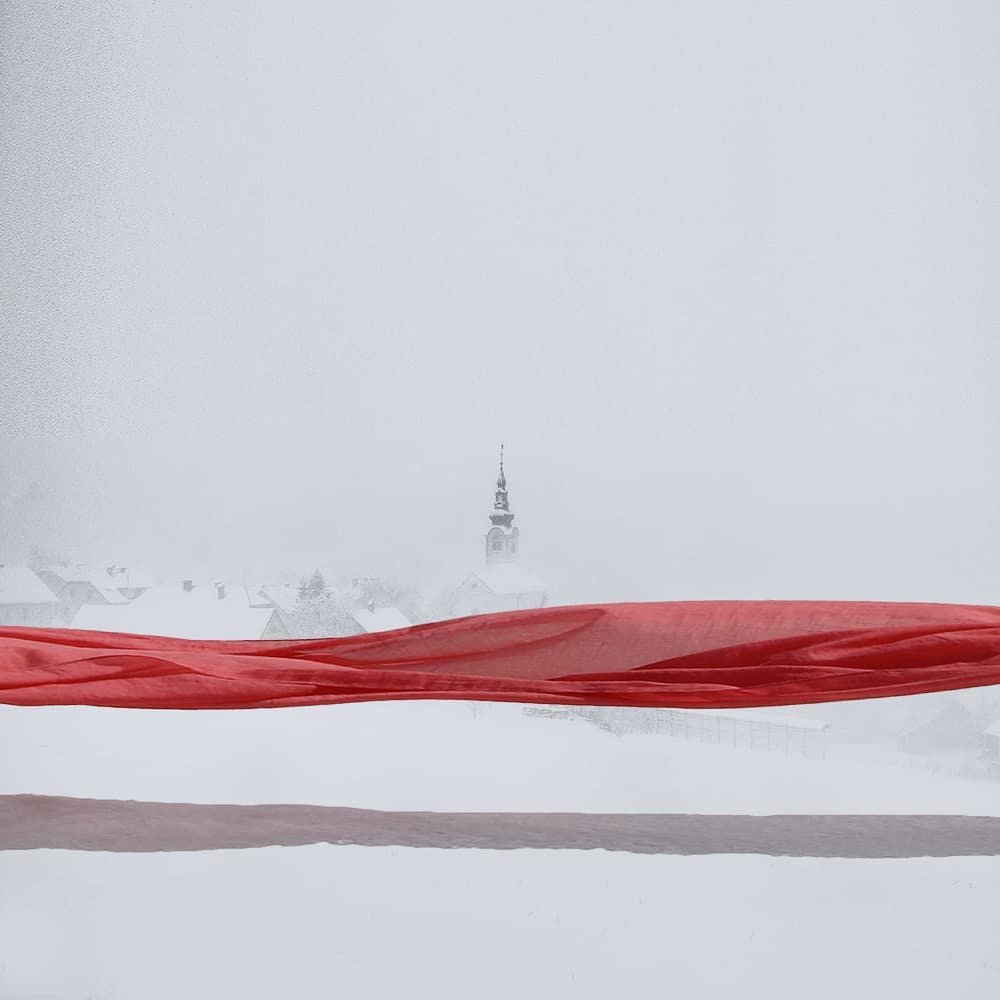
What runs like a common thread through all of my photography is a strong affinity for minimalism. I am drawn to clarity, simplicity, and a visual language that achieves maximum impact through the careful reduction of elements.
Another enduring passion of mine is architecture. For many years, I enjoyed incorporating architectural elements and urban backdrops into my street photography. Buildings, lines, geometric forms, and the interaction between people and the built environment became an essential part of my visual storytelling, often serving as more than just a backdrop—they became protagonists in the composition themselves.
What runs like a common thread through all of my photography is a strong affinity for minimalism. I am drawn to clarity, simplicity, and a visual language that achieves maximum impact through the careful reduction of elements.
How would you describe minimalist photography, and what does it mean to you personally?
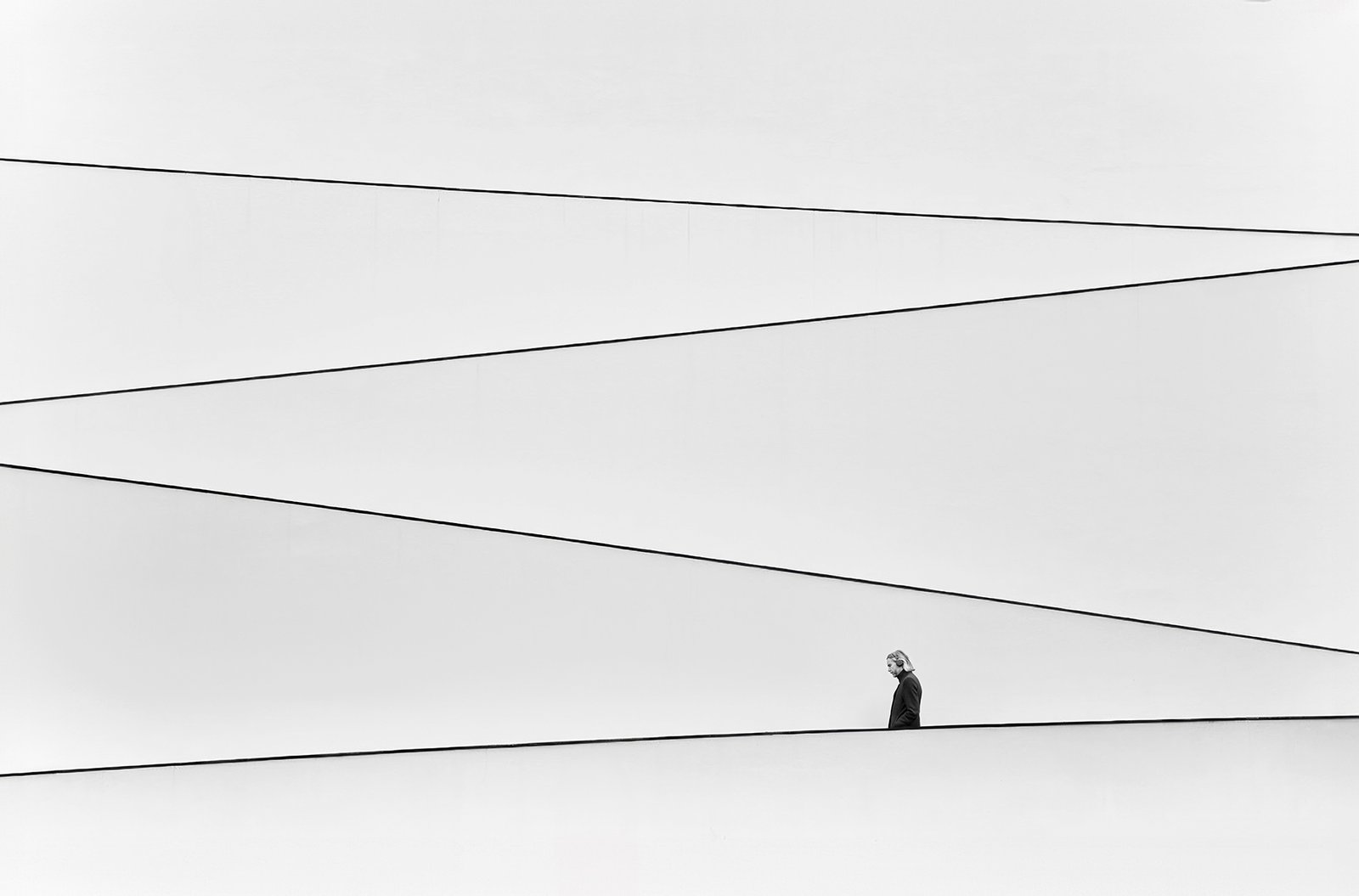
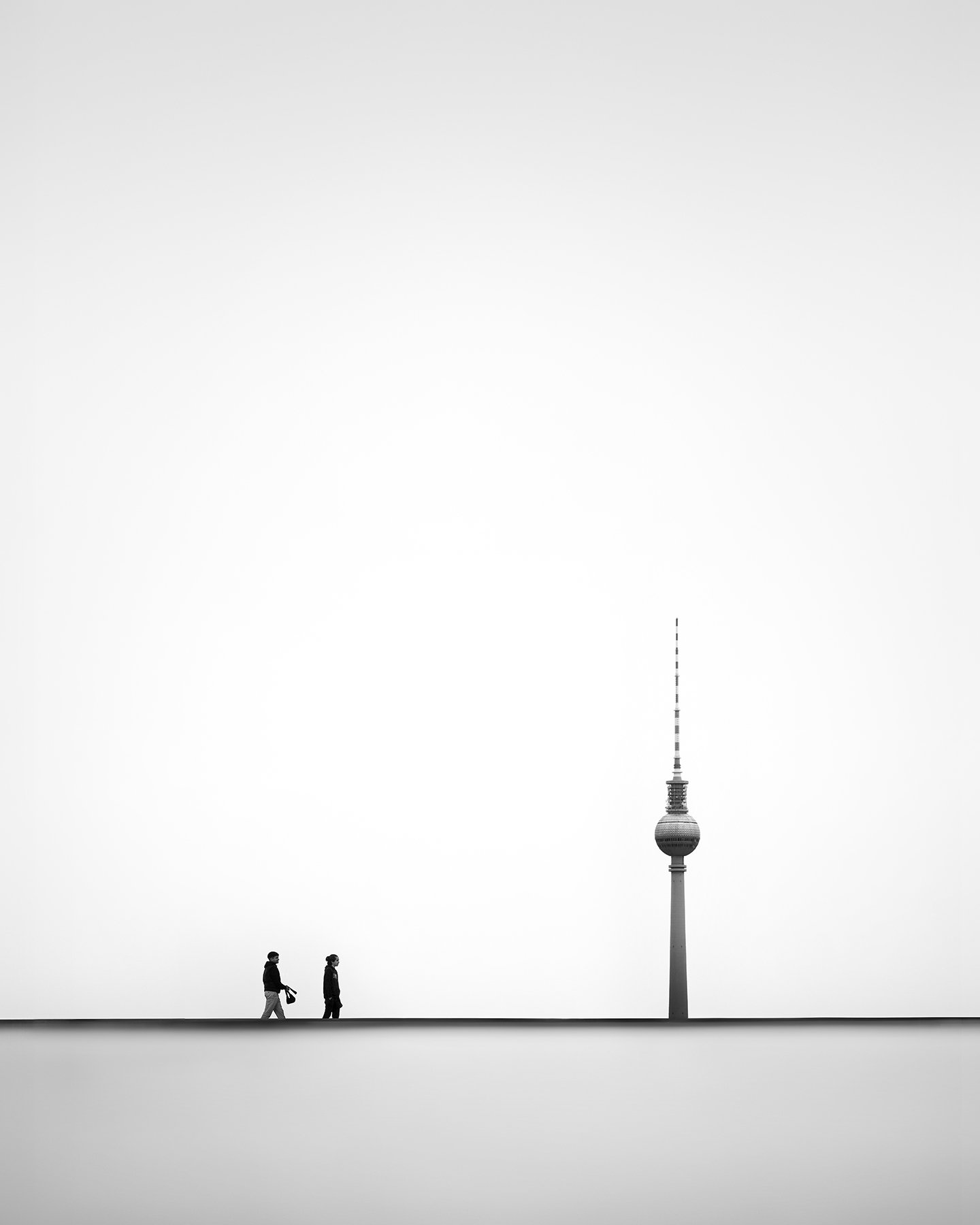
For me, minimalist photography is about reduction and clarity—distilling a scene down to its essential elements. It is not necessarily about emptiness or having very few subjects in the frame, but rather about creating images in which every element serves a purpose and contributes to the overall composition.
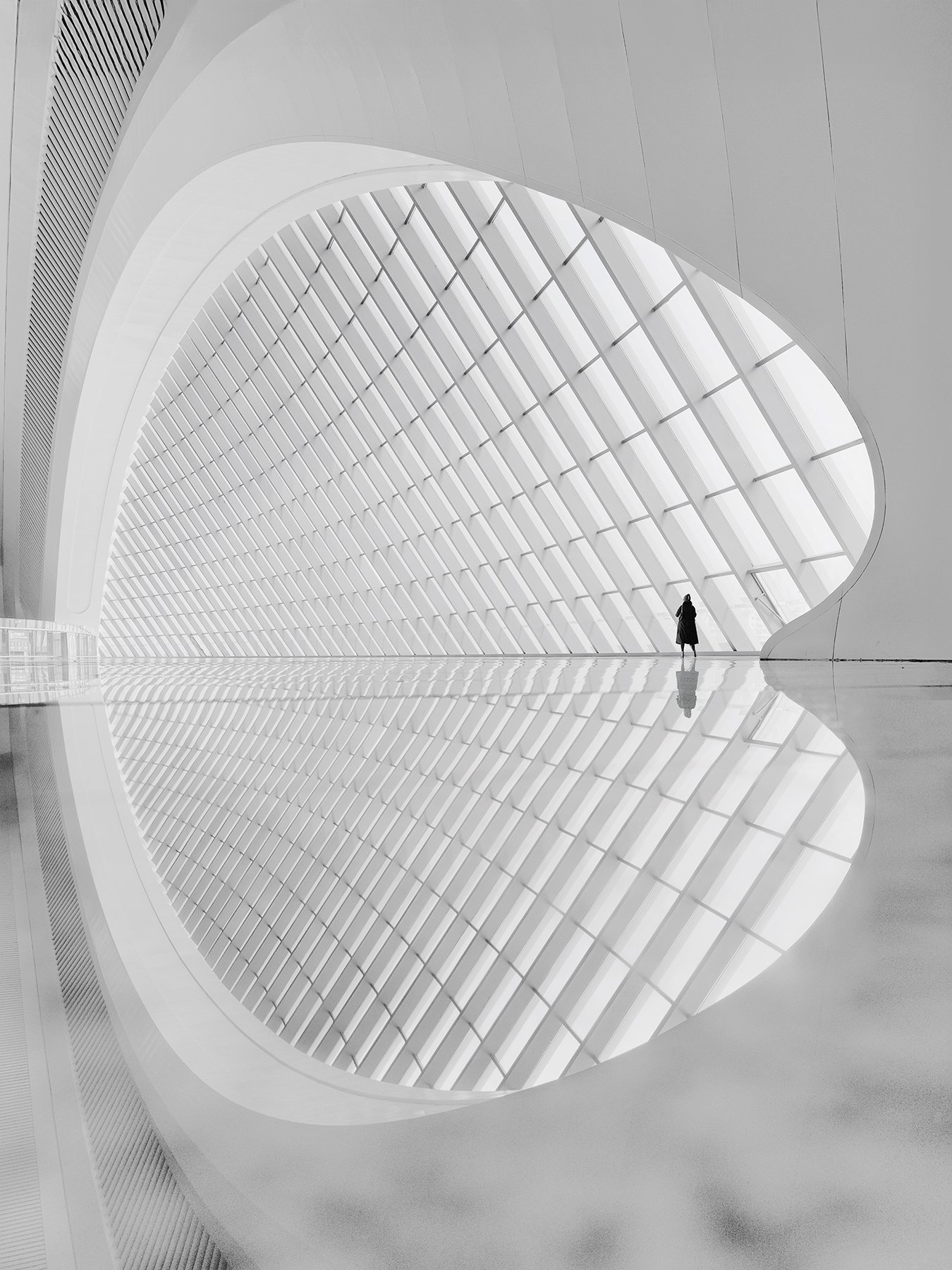
Over the years, minimalism has become the defining characteristic of my photographic work. Whether I am photographing people in urban environments or architectural subjects, I am constantly drawn to clean lines, geometric forms, balanced compositions, and the relationship between light and shadow. I enjoy simplifying complex scenes and revealing their underlying structure and beauty.
What fascinates me most about minimalism is its ability to create a sense of calm in an increasingly fast-paced and visually overwhelming world. Cities are full of noise, movement, and distractions. Through my photography, I try to bring a sense of order to that chaos and create images that invite viewers to pause and reflect.
At the same time, minimalist photography leaves room for interpretation. The less you show, the more space you give the viewer to engage with the image and bring their own thoughts and emotions to it. That balance between simplicity and impact is what makes minimalist photography so meaningful to me and why it has become such an important part of my visual language.
Over the years, minimalism has become the defining characteristic of my photographic work. Whether I am photographing people in urban environments or architectural subjects, I am constantly drawn to clean lines, geometric forms, balanced compositions, and the relationship between light and shadow. I enjoy simplifying complex scenes and revealing their underlying structure and beauty.
What fascinates me most about minimalism is its ability to create a sense of calm in an increasingly fast-paced and visually overwhelming world. Cities are full of noise, movement, and distractions. Through my photography, I try to bring a sense of order to that chaos and create images that invite viewers to pause and reflect.
At the same time, minimalist photography leaves room for interpretation. The less you show, the more space you give the viewer to engage with the image and bring their own thoughts and emotions to it. That balance between simplicity and impact is what makes minimalist photography so meaningful to me and why it has become such an important part of my visual language.
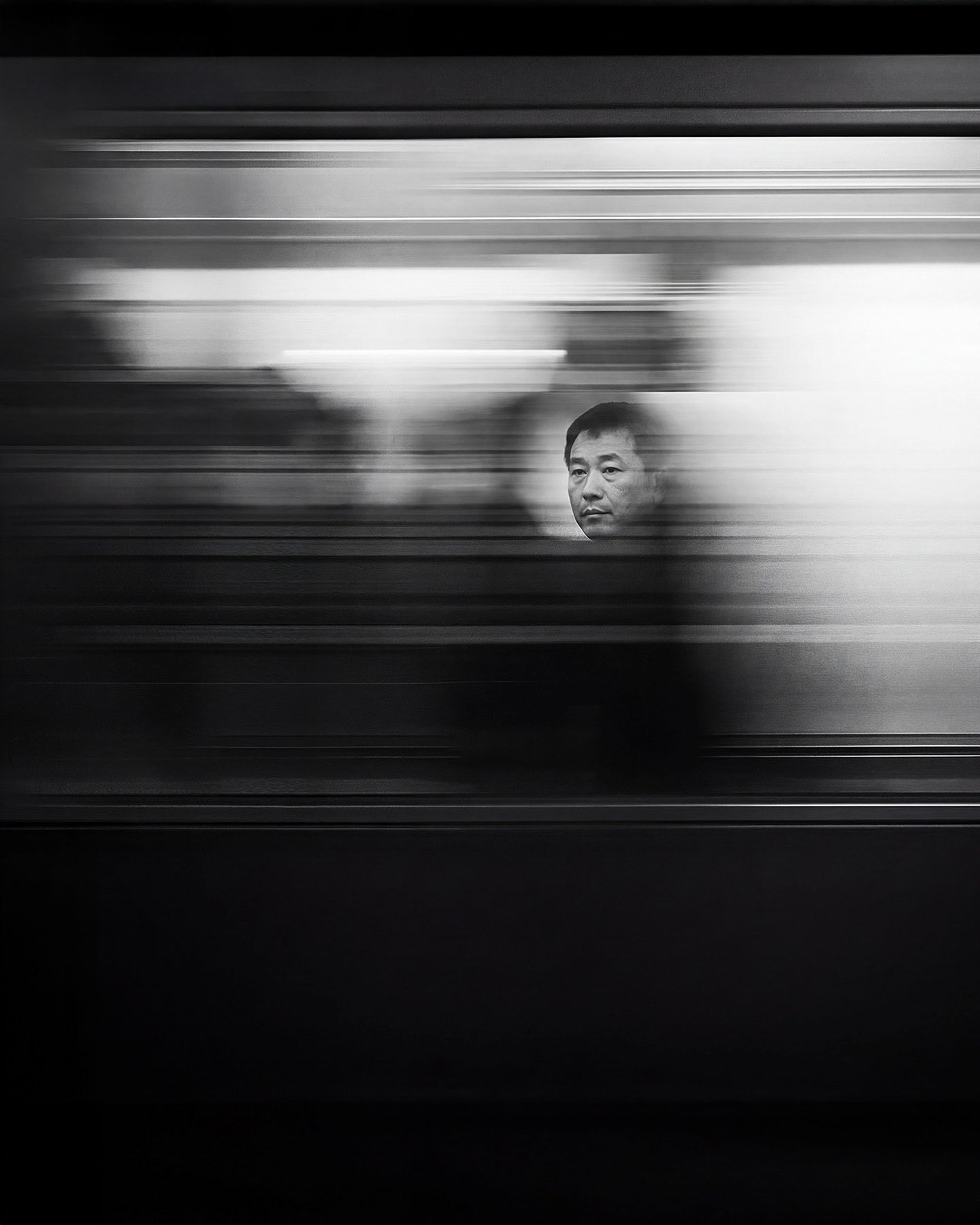
Was there a particular image or photographer that changed the way you see photography?
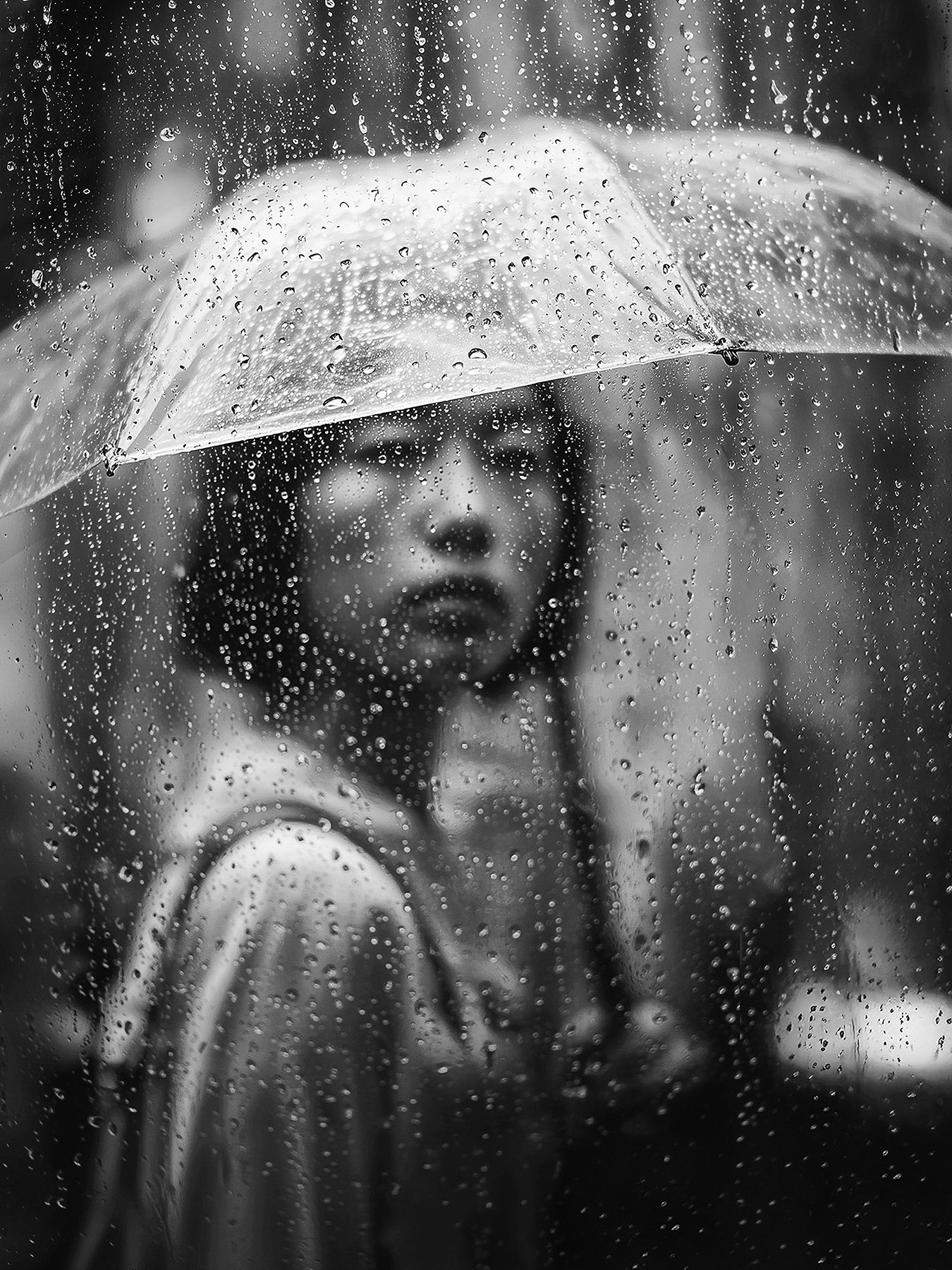
My greatest source of inspiration has always been Fan Ho. His work had a profound impact on me from the very beginning of my photographic journey and has significantly shaped the way I see and compose images. I have always been fascinated by his masterful use of light and shadow, his strong graphic compositions, and his ability to transform everyday street scenes into timeless visual narratives.
The influence of his visual language on my own work is undeniable. While I have developed my own style over the years, many of the elements that define my photography today—minimalism, geometric compositions, and the search for harmony within urban environments—can be traced back to the inspiration I found in his images. His photographs continue to inspire me and remind me of the power of simplicity and visual storytelling.
The influence of his visual language on my own work is undeniable. While I have developed my own style over the years, many of the elements that define my photography today—minimalism, geometric compositions, and the search for harmony within urban environments—can be traced back to the inspiration I found in his images. His photographs continue to inspire me and remind me of the power of simplicity and visual storytelling.
Why do you choose black and white over color in certain works?
Black and white has always felt like the most natural visual language for me. By removing color, an image is reduced to its essential elements: light, shadow, form, lines, and composition. These are the aspects that interest me most as a photographer, and monochrome allows them to take center stage without distraction.
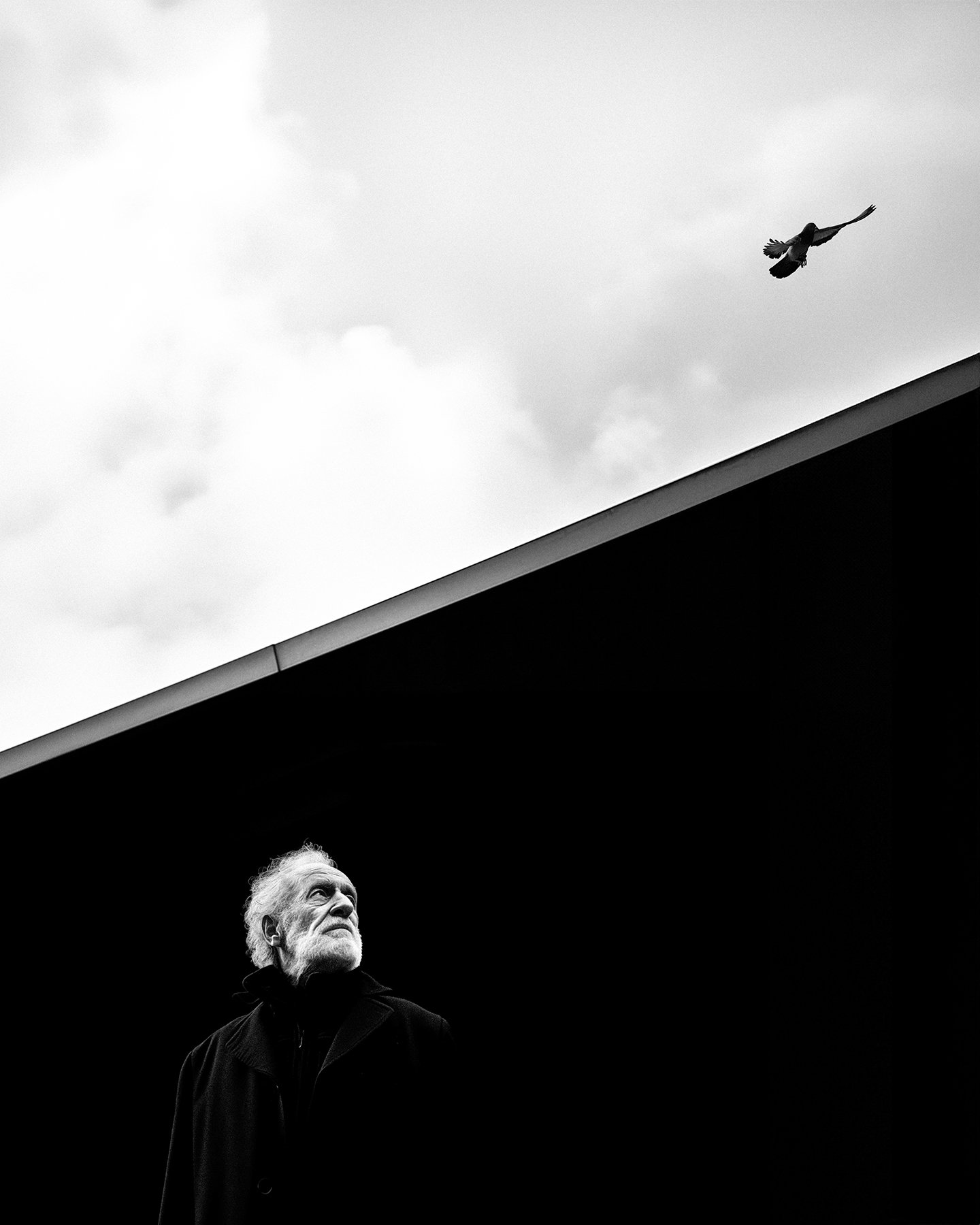
I am particularly drawn to the graphic quality that black and white creates. In urban environments, which are at the core of my work, contrasts, geometric structures, and the relationship between architecture and people become much more pronounced when color is removed from the equation.
Black and white also carries a sense of timelessness for me. This is perhaps one of the reasons why photographers like Fan Ho have had such a lasting influence on my work. His images demonstrate how light and shadow alone can create atmosphere, emotion, and visual tension in a very powerful way.
Ultimately, I believe the choice to work in black and white is also, and perhaps primarily, a matter of personal preference. I have always tended to see the world in monochrome rather than in color. It simply matches the way I perceive things and the way I want to tell visual stories—it feels intuitive and authentic to me.
That said, I do not consider black and white superior to color photography. The decision always depends on the subject and the story I want to tell. But for the minimalist visual language I have developed over the years, black and white often feels like the most consistent and impactful form of expression.
I am particularly drawn to the graphic quality that black and white creates. In urban environments, which are at the core of my work, contrasts, geometric structures, and the relationship between architecture and people become much more pronounced when color is removed from the equation.
Black and white also carries a sense of timelessness for me. This is perhaps one of the reasons why photographers like Fan Ho have had such a lasting influence on my work. His images demonstrate how light and shadow alone can create atmosphere, emotion, and visual tension in a very powerful way.
Ultimately, I believe the choice to work in black and white is also, and perhaps primarily, a matter of personal preference. I have always tended to see the world in monochrome rather than in color. It simply matches the way I perceive things and the way I want to tell visual stories—it feels intuitive and authentic to me.
That said, I do not consider black and white superior to color photography. The decision always depends on the subject and the story I want to tell. But for the minimalist visual language I have developed over the years, black and white often feels like the most consistent and impactful form of expression.
What makes a memorable photograph, in your opinion?
A strong photograph can be built on two very different foundations: it can either be driven by a compelling story or by pure visual beauty. Both approaches work in their own right and can carry an image independently, each in a different way.
However, the real challenge—and in many ways the highest level of photography—is to combine both. When a clear emotional or narrative depth merges with a visually strong and aesthetically refined composition, photography reaches an entirely different dimension.
For me, this fusion of meaning and visual impact is the true “master class” of photography. It is what transforms an image from something simply beautiful into something meaningful, lasting, and memorable.
However, the real challenge—and in many ways the highest level of photography—is to combine both. When a clear emotional or narrative depth merges with a visually strong and aesthetically refined composition, photography reaches an entirely different dimension.
For me, this fusion of meaning and visual impact is the true “master class” of photography. It is what transforms an image from something simply beautiful into something meaningful, lasting, and memorable.
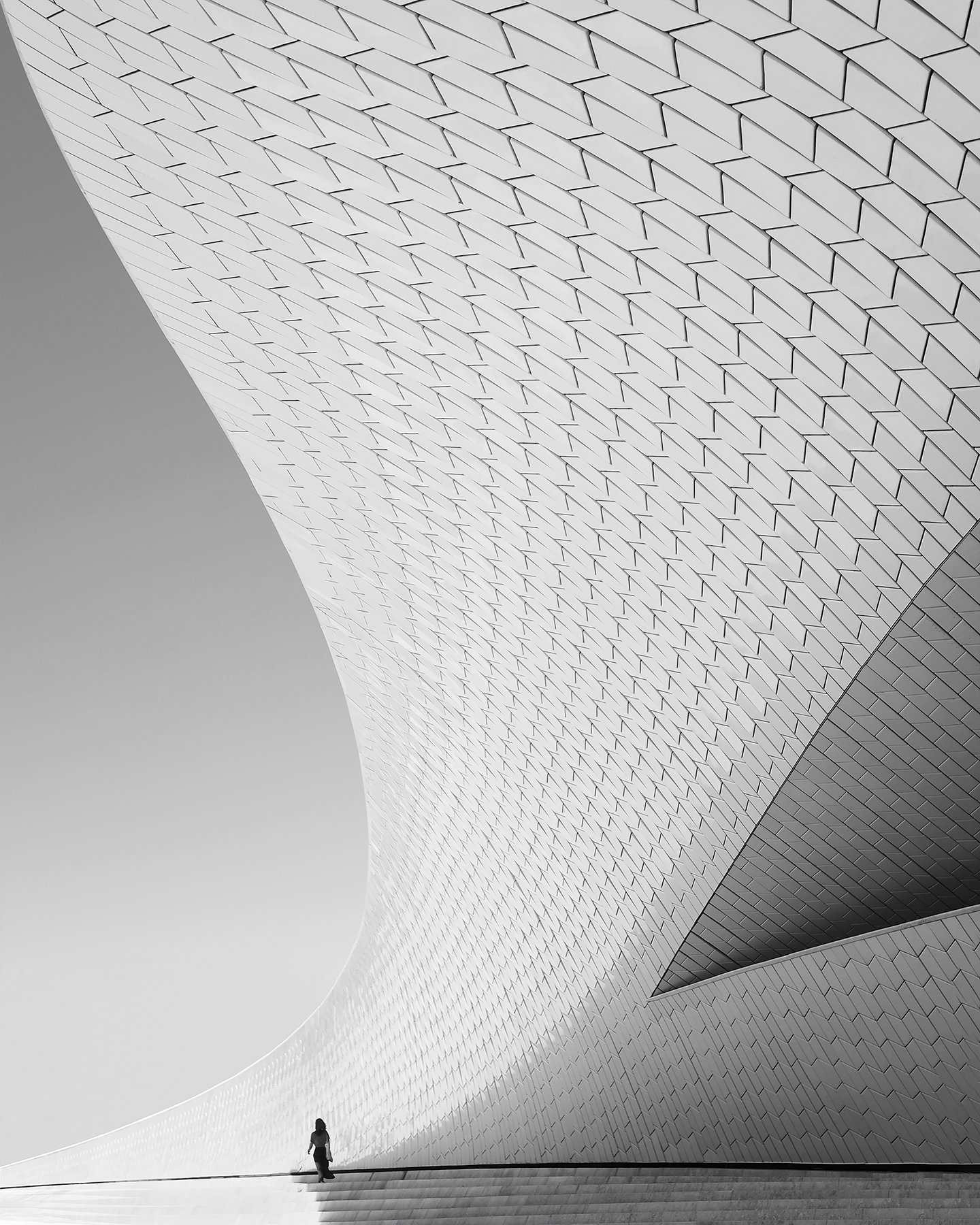
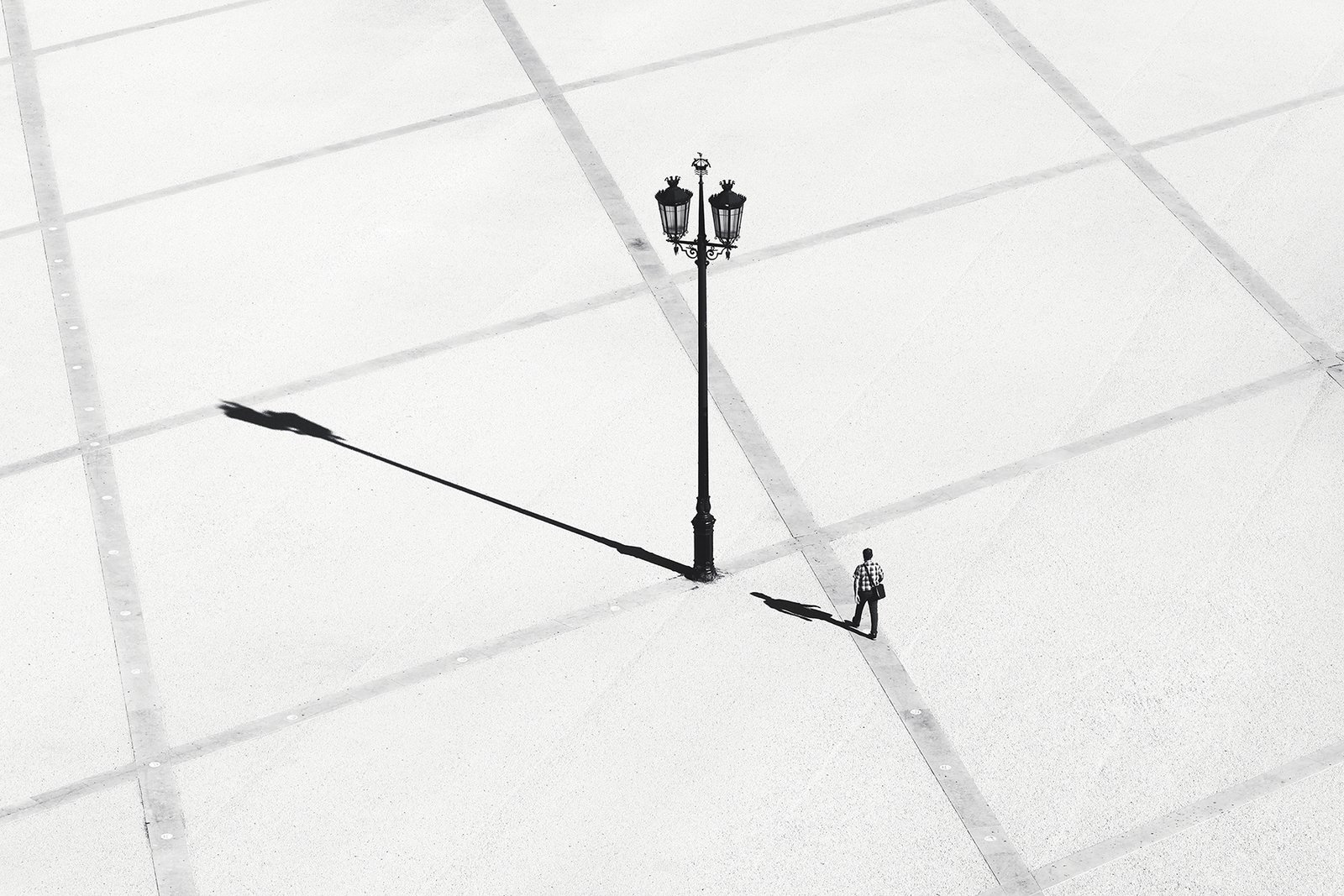
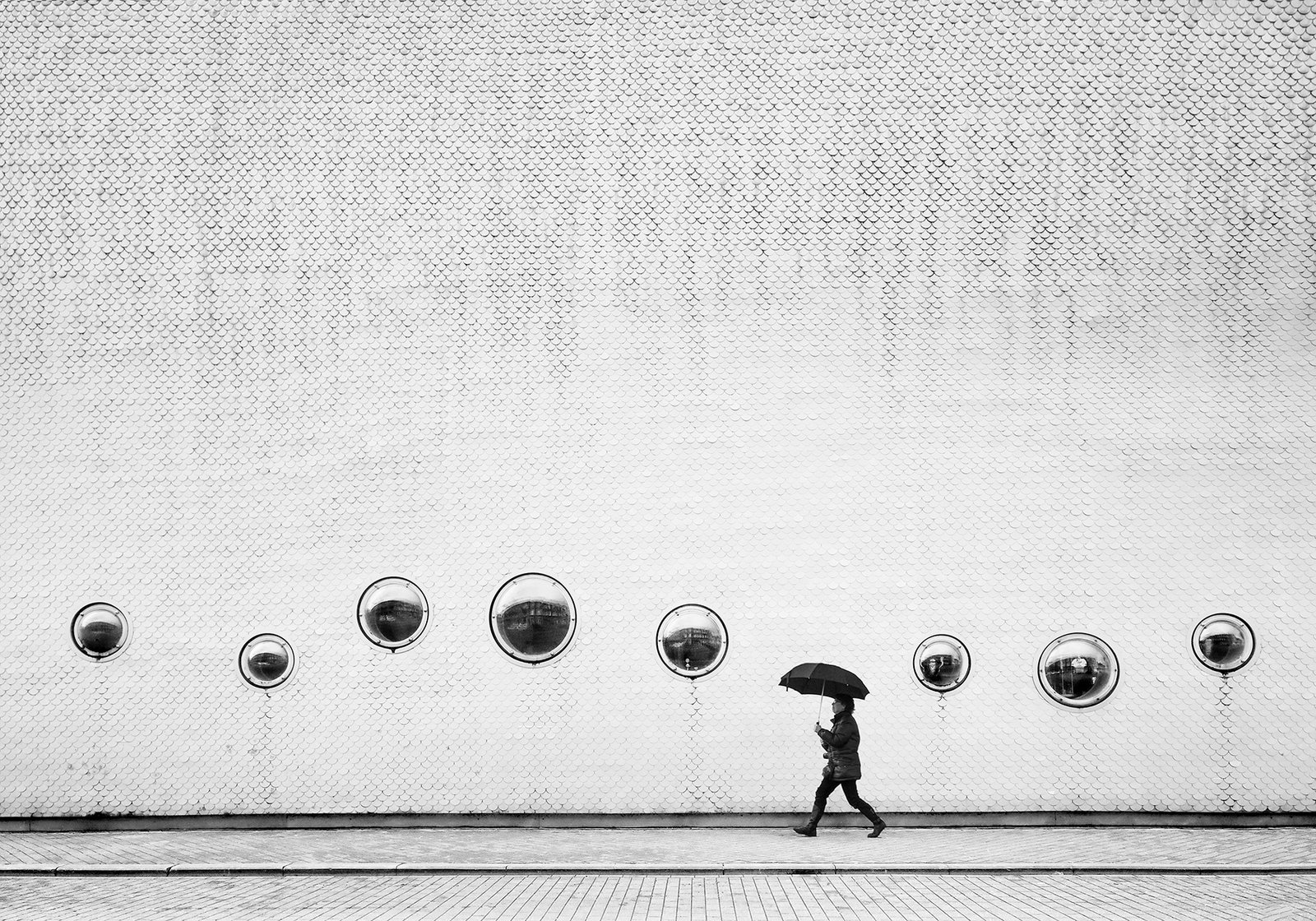
Do you believe gear matters in minimalist photography? What equipment do you currently use?
Gear, to me, is largely a matter of taste—and just as much a matter of habit. I firmly believe that a good photographer can create meaningful work with any camera. It also doesn’t need to be the latest technology; in fact, that is completely secondary.
What truly matters is the eye behind the camera and the intention behind the image. Over time, of course, everyone develops preferences and a certain relationship with their tools. For me, that has become medium format from Fujifilm. I currently work with the GFX100S II, which I primarily chose for its outstanding image quality.
At the end of the day, I care deeply about what comes out of my photography. For me, photography only really ends with the printed image—whether that is a large-scale wall print or a book. I am, in that sense, a bit of a quality addict, and I can easily lose myself in the details of printing, tonality, and resolution.
Since the beginning of 2026, I have also had the honor of being a Fujifilm ambassador. However, that is not the reason for my view on gear. I was already working with the GFX system long before that—and my opinion on equipment has always been the same. 😉
What truly matters is the eye behind the camera and the intention behind the image. Over time, of course, everyone develops preferences and a certain relationship with their tools. For me, that has become medium format from Fujifilm. I currently work with the GFX100S II, which I primarily chose for its outstanding image quality.
At the end of the day, I care deeply about what comes out of my photography. For me, photography only really ends with the printed image—whether that is a large-scale wall print or a book. I am, in that sense, a bit of a quality addict, and I can easily lose myself in the details of printing, tonality, and resolution.
Since the beginning of 2026, I have also had the honor of being a Fujifilm ambassador. However, that is not the reason for my view on gear. I was already working with the GFX system long before that—and my opinion on equipment has always been the same. 😉
What inspires you outside of photography?
I have a strong passion for design and architecture.
At the same time, time spent with my family is my most important source of inspiration. It consistently brings me out of the fast-paced, visually driven rhythm of everyday life and reminds me to focus on what truly matters.
At the same time, time spent with my family is my most important source of inspiration. It consistently brings me out of the fast-paced, visually driven rhythm of everyday life and reminds me to focus on what truly matters.
If you could be any animal in the world, what animal would you be and why?
If I answer this question from my own perspective, I would not choose a spectacular or loud animal, but rather one that embodies calmness, observation, and clarity.
I believe I would most likely be a bird—perhaps a falcon. An animal that can keep distance, that observes before it acts, and that perceives its surroundings with a sense of calm overview. This way of behaving also reflects my approach to photography: first see, then decide, and consciously reduce everything to what is essential.
I believe I would most likely be a bird—perhaps a falcon. An animal that can keep distance, that observes before it acts, and that perceives its surroundings with a sense of calm overview. This way of behaving also reflects my approach to photography: first see, then decide, and consciously reduce everything to what is essential.
What advice would you give to photographers who want to explore black and white minimalist photography?
My advice would be to start by training your eye to see in terms of light, shape, and composition rather than color. In black and white minimalist photography, color is no longer a guide—so you need to become more aware of contrast, textures, negative space, and the balance within the frame.
I would also recommend slowing down your way of seeing. Minimalism is not about capturing less for the sake of it, but about being intentional with every element in the image. Ask yourself what is truly necessary in the frame and what can be removed without weakening the visual impact.
Another important aspect is to simplify your environment. Urban spaces, in particular, can be visually overwhelming, so learning to isolate subjects within that complexity is a key skill. Look for clean backgrounds, strong lines, and moments where light naturally shapes the scene.
Finally, study the work of photographers who have mastered this language. Not to imitate them, but to understand how they think visually. Over time, you will develop your own way of seeing—but it always starts with learning to observe more carefully and reduce more consciously.
I would also recommend slowing down your way of seeing. Minimalism is not about capturing less for the sake of it, but about being intentional with every element in the image. Ask yourself what is truly necessary in the frame and what can be removed without weakening the visual impact.
Another important aspect is to simplify your environment. Urban spaces, in particular, can be visually overwhelming, so learning to isolate subjects within that complexity is a key skill. Look for clean backgrounds, strong lines, and moments where light naturally shapes the scene.
Finally, study the work of photographers who have mastered this language. Not to imitate them, but to understand how they think visually. Over time, you will develop your own way of seeing—but it always starts with learning to observe more carefully and reduce more consciously.
Any final words or reflections you would like to leave with our readers?
Practise, practise, practise :)