Tell us about yourself and your journey in photography.
I was born in 1983, grew up in a small town in Saxony and have been living in Berlin since 2003. Photography has been an important part of my life since 2014, with a primary focus on long-exposure photography since 2016.
What began as a creative outlet alongside my career as a software developer and automation engineer gradually evolved into a serious passion. Like many photographers, I spent a long time searching for my own visual direction and understanding of what I truly want to express. Photography keeps me curious, encourages me to see familiar things in new ways, and gives me a sense of creative freedom beyond my everyday routine.
Over time, this also led to sharing my experience more directly through workshops in minimalist and long-exposure photography. For me, it is less about a separate business aspect and more about continuing the same process in a different form, reflecting on what I have learned and helping others develop their own vision in photography.
What began as a creative outlet alongside my career as a software developer and automation engineer gradually evolved into a serious passion. Like many photographers, I spent a long time searching for my own visual direction and understanding of what I truly want to express. Photography keeps me curious, encourages me to see familiar things in new ways, and gives me a sense of creative freedom beyond my everyday routine.
Over time, this also led to sharing my experience more directly through workshops in minimalist and long-exposure photography. For me, it is less about a separate business aspect and more about continuing the same process in a different form, reflecting on what I have learned and helping others develop their own vision in photography.
What first drew you to photography, and what later attracted you to minimalist photography specifically?
Photography initially started as a way to slow down and create a counterpoint to everyday life. Over time, it became much more than that. It gave me a way to express how I see the world and to share my perspective through images.
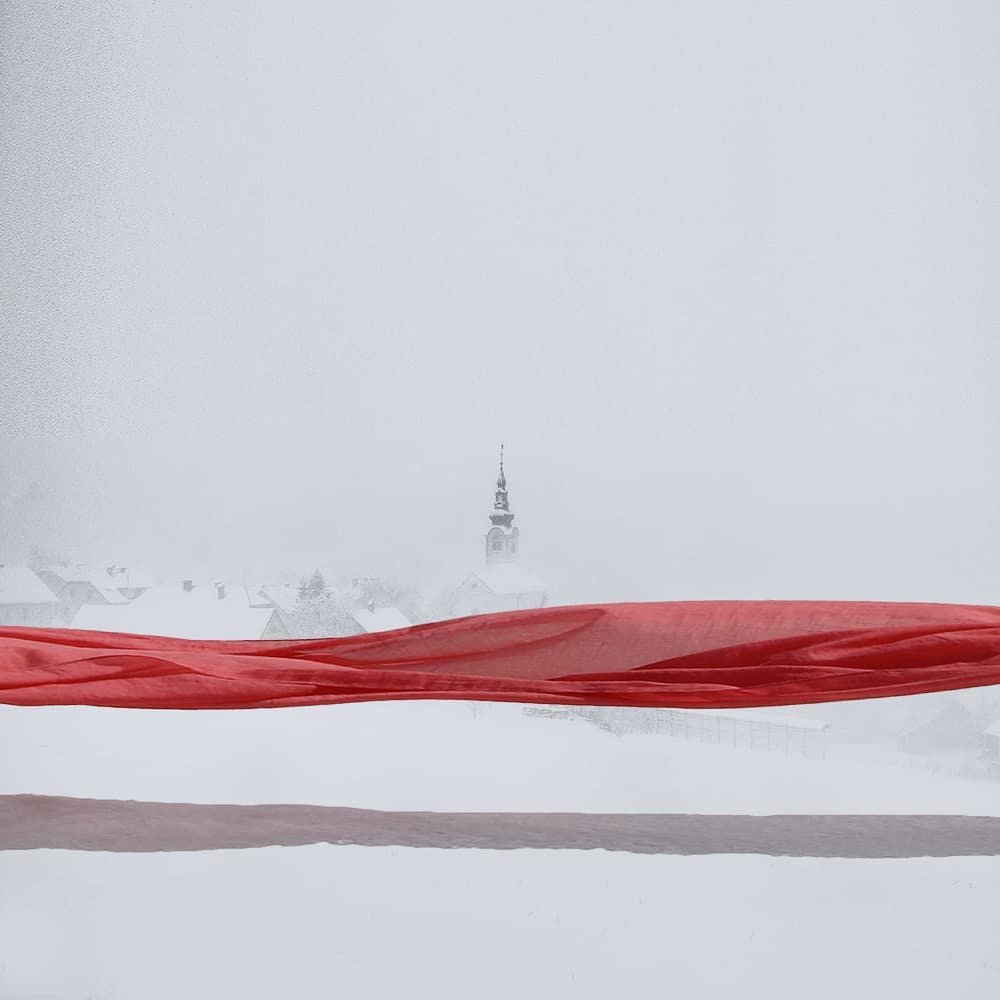
My attraction to minimalist photography developed naturally. I found myself increasingly drawn to scenes where less was more. Rather than filling an image with information, I wanted to remove distractions and focus on what truly matters. For me, minimalism is about clarity and intention, stripping a photograph down to its essential elements and creating a direct connection between the subject and the viewer.
My attraction to minimalist photography developed naturally. I found myself increasingly drawn to scenes where less was more. Rather than filling an image with information, I wanted to remove distractions and focus on what truly matters. For me, minimalism is about clarity and intention, stripping a photograph down to its essential elements and creating a direct connection between the subject and the viewer.
How would you describe minimalist photography, and what does it mean to you personally?
To me, minimalist photography is about intention and decision-making. It is the process of choosing what stays in the frame and what needs to be removed. Every element in the composition should have a purpose. If it doesn’t contribute to the image, it becomes a distraction.
I often feel that many compositions tend to distract from the core visual idea of a scene. By stripping elements away, the image becomes clearer, more direct, and ultimately more impactful. Negative space plays a crucial role in this, as it allows the subject to breathe and naturally draws attention to what is essential.
On a personal level, minimalism is also about discipline. It forces me to slow down and be more deliberate in how I see and compose. Instead of adding, I am constantly subtracting until only what truly matters remains.
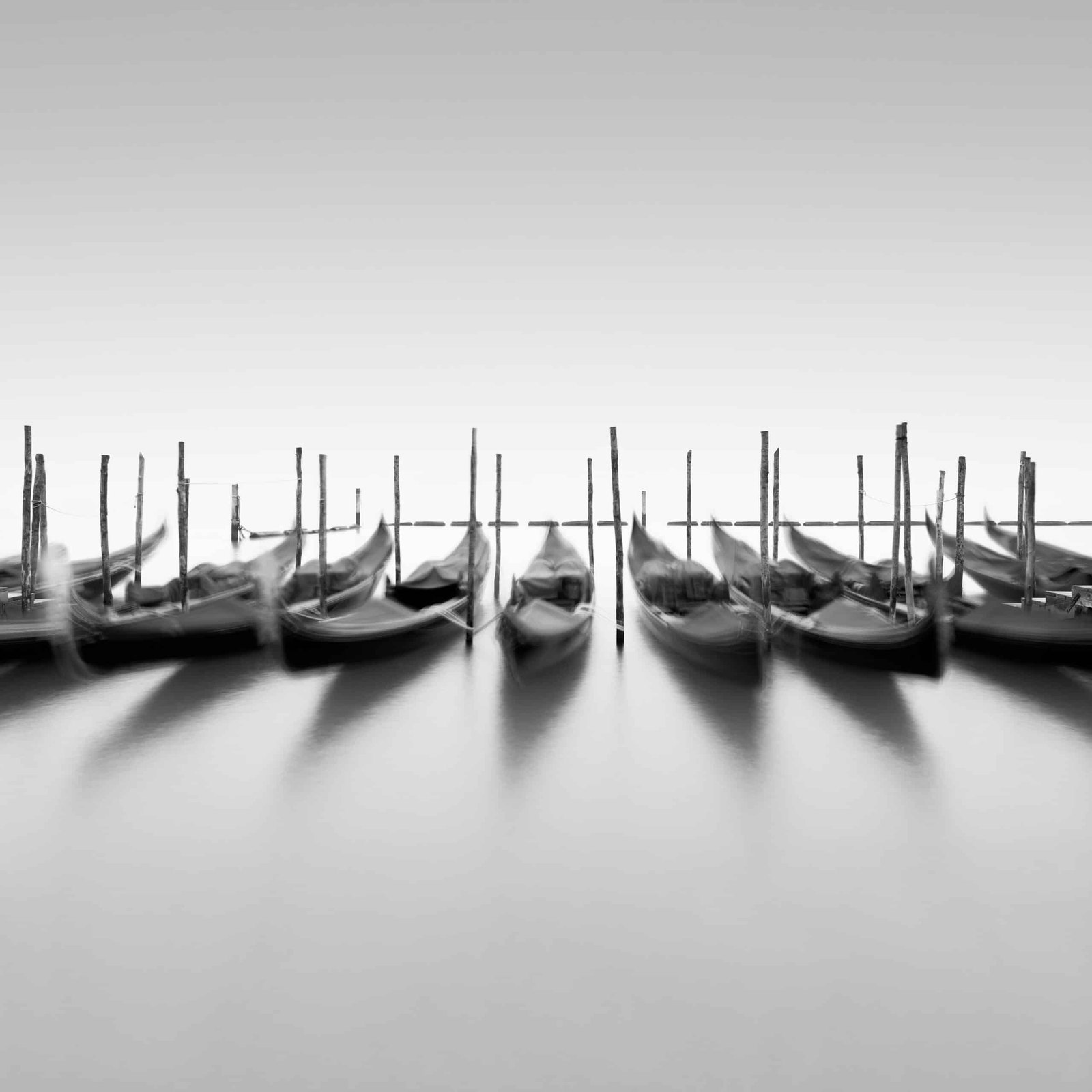
Long-exposure photography supports this approach very well. It helps me simplify chaotic or busy scenes by removing temporary distractions and revealing a cleaner, more distilled version of the moment. In that sense, it becomes a tool not just for aesthetics, but for clarity and for expressing my own vision.
I often feel that many compositions tend to distract from the core visual idea of a scene. By stripping elements away, the image becomes clearer, more direct, and ultimately more impactful. Negative space plays a crucial role in this, as it allows the subject to breathe and naturally draws attention to what is essential.
On a personal level, minimalism is also about discipline. It forces me to slow down and be more deliberate in how I see and compose. Instead of adding, I am constantly subtracting until only what truly matters remains.
Long-exposure photography supports this approach very well. It helps me simplify chaotic or busy scenes by removing temporary distractions and revealing a cleaner, more distilled version of the moment. In that sense, it becomes a tool not just for aesthetics, but for clarity and for expressing my own vision.
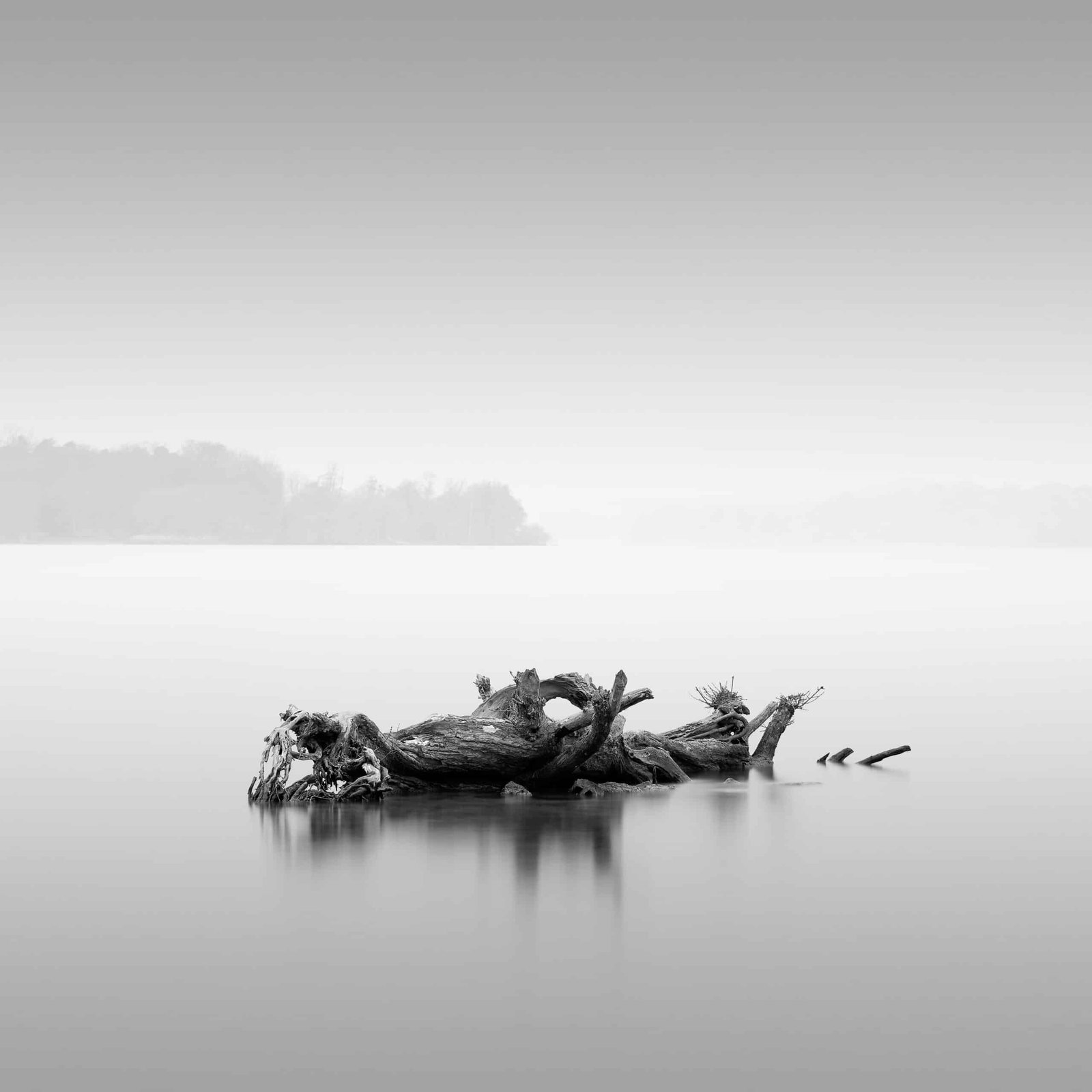
Was there a particular image or photographer that changed the way you see photography?
My journey into a more intentional approach to photography started with workshops with Ronny Behnert. That experience helped me refine my understanding of long-exposure photography and shaped many of the technical and compositional foundations in my work.
Later on, workshops with Noel Clegg helped bring more clarity and consistency to how I approach photography. His way of looking at a scene and his overall mindset had a strong influence on how I slow down and make decisions when I shoot.
Rather than pointing to a single image that changed everything, it was these encounters and the way they shifted my perspective that influenced my development the most. They helped me move further towards a more deliberate and reduced way of seeing.
Later on, workshops with Noel Clegg helped bring more clarity and consistency to how I approach photography. His way of looking at a scene and his overall mindset had a strong influence on how I slow down and make decisions when I shoot.
Rather than pointing to a single image that changed everything, it was these encounters and the way they shifted my perspective that influenced my development the most. They helped me move further towards a more deliberate and reduced way of seeing.
Why do you choose black and white over color in certain works?
Sometimes color already speaks its own language, and it can carry a strong emotional or visual message on its own. In those cases, it becomes an active element in the image rather than just a layer of information.
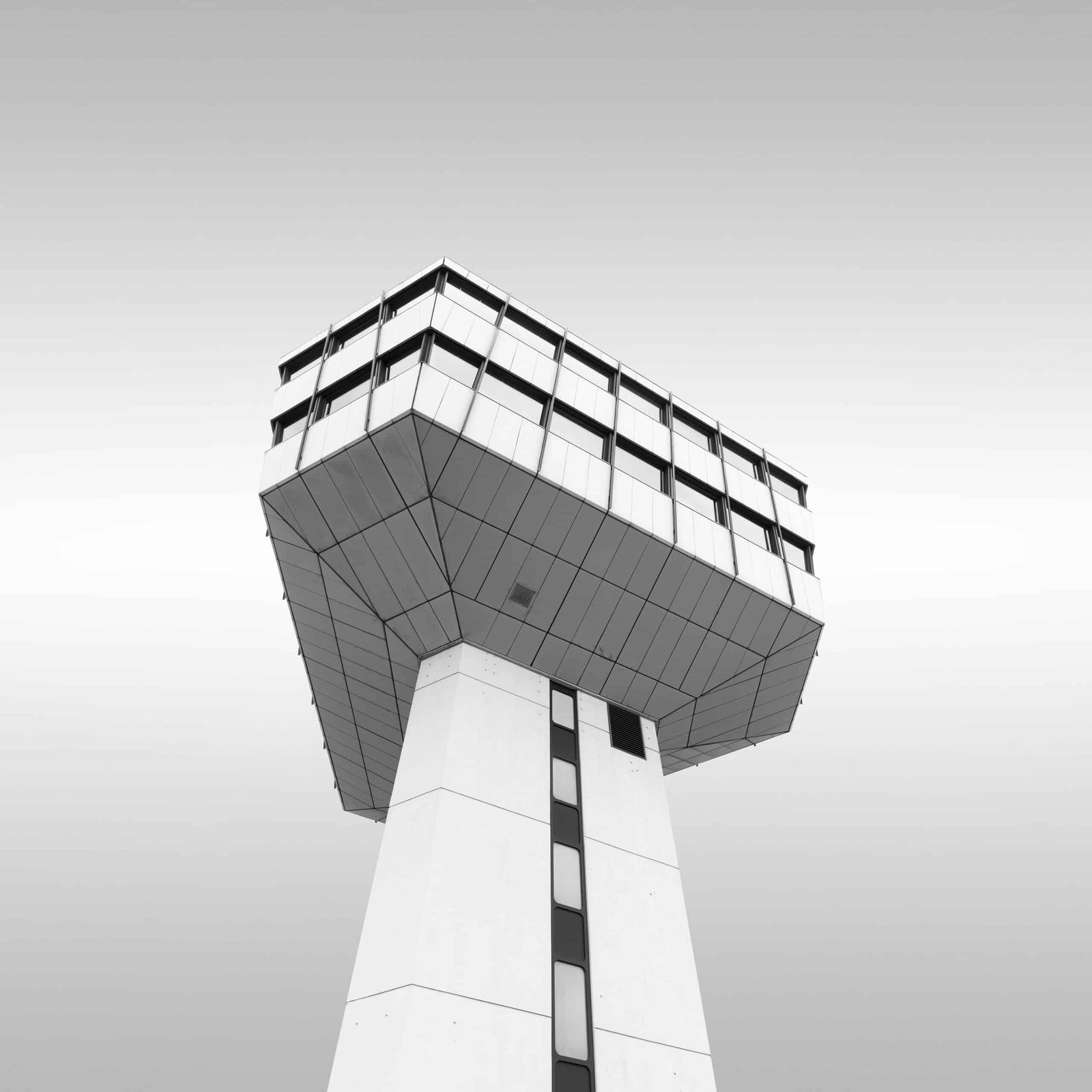
When I choose black and white, it is usually because I want to remove that additional layer and focus more on structure, light, and detail. Without color, there is a different kind of attention required from both the photographer and the viewer. You start to look more closely at shapes, contrast, and composition.
Black and white sometimes also supports my understanding of minimalism. By removing color, the image often becomes more reduced and direct, which can strengthen the essential idea behind the photograph rather than distracting from it.
When I choose black and white, it is usually because I want to remove that additional layer and focus more on structure, light, and detail. Without color, there is a different kind of attention required from both the photographer and the viewer. You start to look more closely at shapes, contrast, and composition.
Black and white sometimes also supports my understanding of minimalism. By removing color, the image often becomes more reduced and direct, which can strengthen the essential idea behind the photograph rather than distracting from it.
What makes a memorable photograph, in your opinion?
For me, a memorable photograph is one that holds my attention beyond the first glance. It is an image that makes me pause and spend a bit more time with it, sometimes for reasons that are not immediately obvious.
Often, this comes from simplicity, light, or atmosphere. Sometimes it is a subtle tension or a small detail that creates that initial pull.
Beyond that, technical clarity and a focused visual idea help strengthen an image, but what ultimately matters is whether everything comes together in a way that gives the photograph a certain presence - something that stays with you even after you’ve moved on.
Often, this comes from simplicity, light, or atmosphere. Sometimes it is a subtle tension or a small detail that creates that initial pull.
Beyond that, technical clarity and a focused visual idea help strengthen an image, but what ultimately matters is whether everything comes together in a way that gives the photograph a certain presence - something that stays with you even after you’ve moved on.
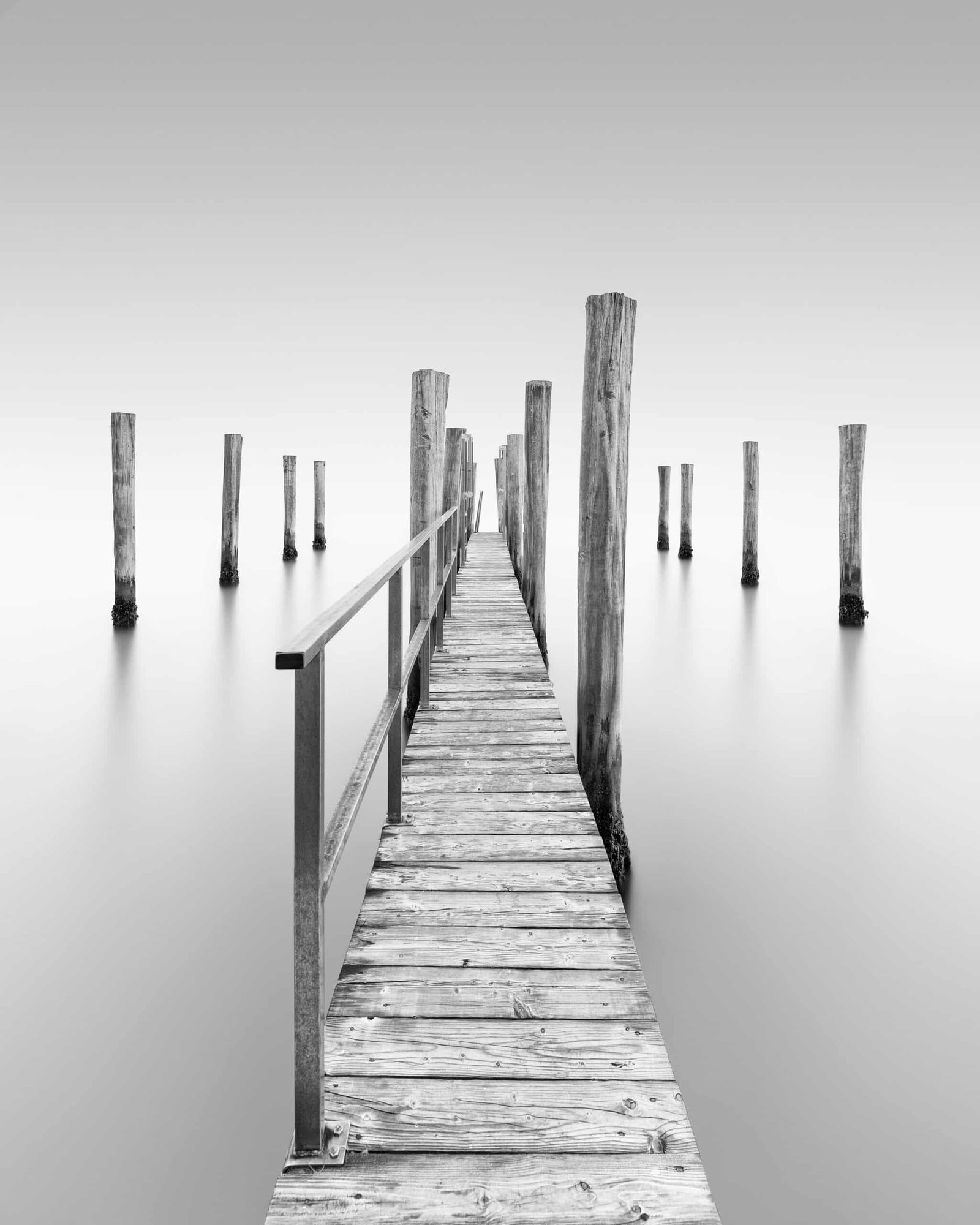
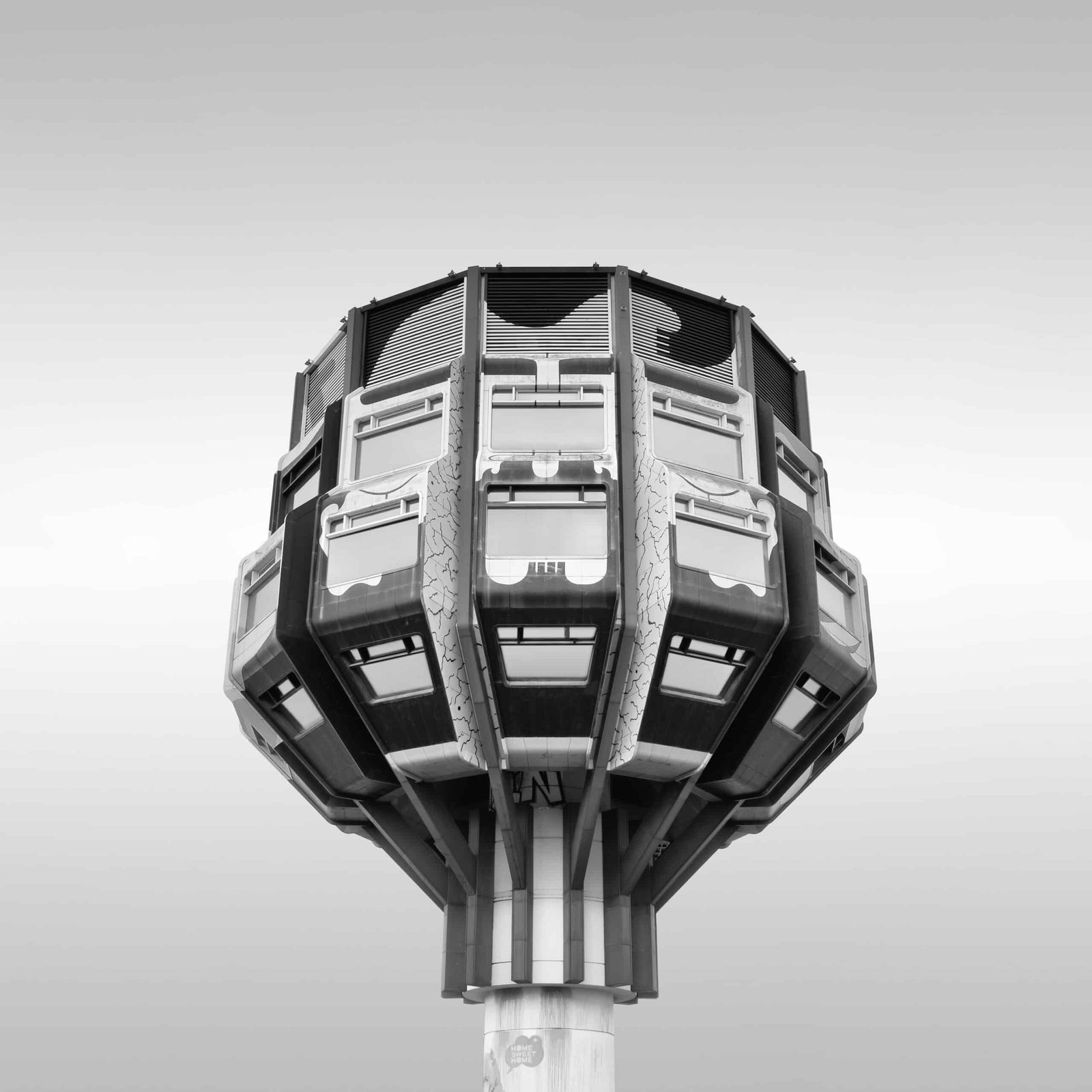
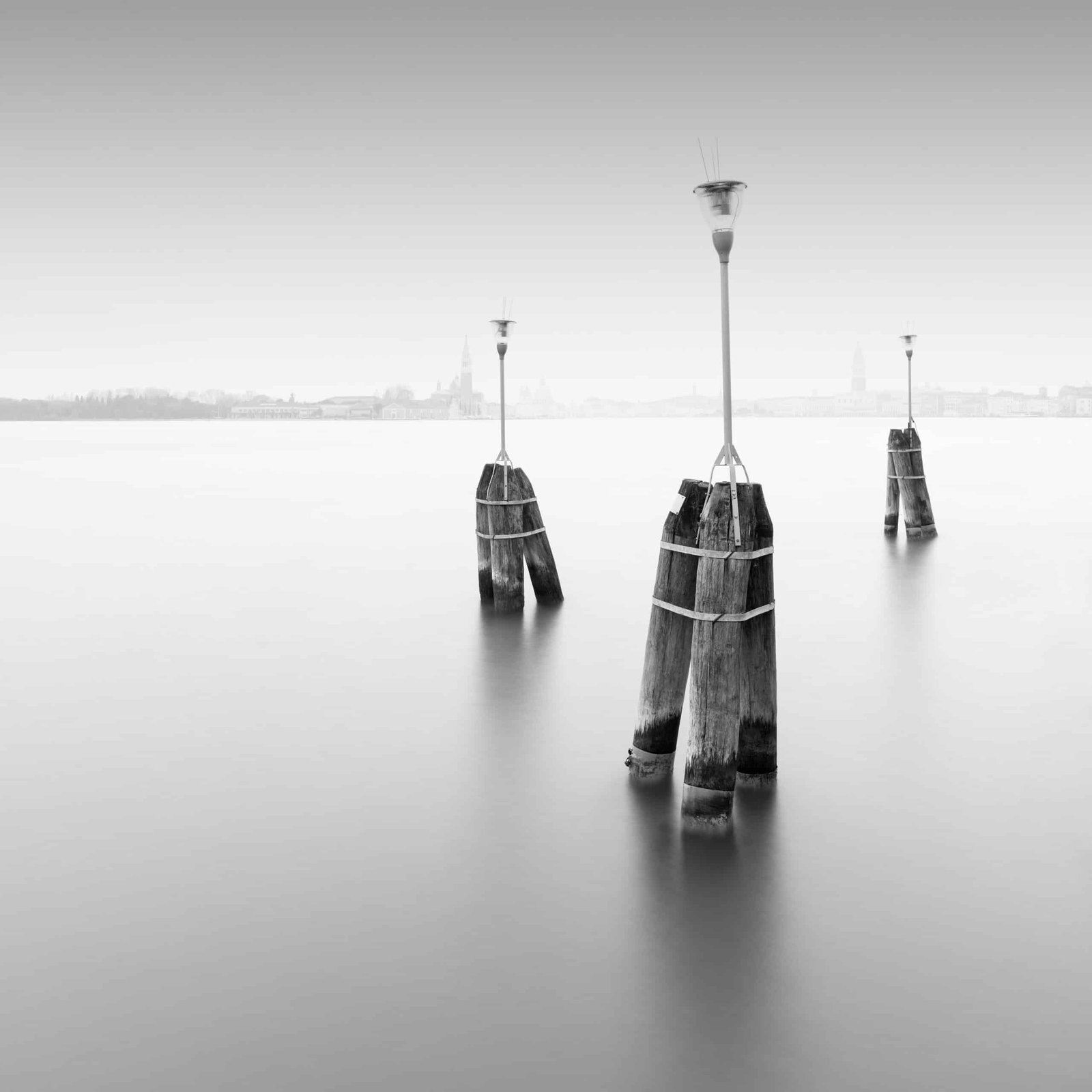
Do you believe gear matters in minimalist photography? What equipment do you currently use?
Gear does matter, but not in the way it is often discussed. Conversations tend to focus on brands, specifications, or technical superiority, while for me the more important question is whether the equipment supports the way I want to work.
A tool should never become the focus itself. In that sense, it is similar to other crafts - a chef does not want to work with a dull knife. The tool simply needs to be reliable and allow you to focus on the actual process without distraction.
For my own work, I currently use a Nikon D850 paired with Sigma lenses in a range from wide-angle to telephoto. I also rely on ND filters from Haida for long-exposure work. For post-processing, I use Adobe Lightroom and Photoshop.
Ultimately, it is not about having the most advanced gear, but about having tools that feel dependable enough to step out of the way and let the image take shape.
A tool should never become the focus itself. In that sense, it is similar to other crafts - a chef does not want to work with a dull knife. The tool simply needs to be reliable and allow you to focus on the actual process without distraction.
For my own work, I currently use a Nikon D850 paired with Sigma lenses in a range from wide-angle to telephoto. I also rely on ND filters from Haida for long-exposure work. For post-processing, I use Adobe Lightroom and Photoshop.
Ultimately, it is not about having the most advanced gear, but about having tools that feel dependable enough to step out of the way and let the image take shape.
What inspires you outside of photography?
Outside of photography, I find a lot of inspiration in nature. Being outdoors helps me step away from the pace of city life and clear my mind. That distance often changes how I later see and approach my work, even if not in a direct or planned way.
I am also influenced by art in a broader sense. This includes different forms of visual art, but also the way artists observe, reduce, or interpret the world around them. I find it interesting how intention and reduction can shape completely different outcomes depending on the medium.
I am also influenced by art in a broader sense. This includes different forms of visual art, but also the way artists observe, reduce, or interpret the world around them. I find it interesting how intention and reduction can shape completely different outcomes depending on the medium.
If you could be any animal in the world, what animal would you be and why?
I have to admit I’ve never really thought about this before, but the question definitely made me pause for a moment.
If I had to choose an animal, it would probably be a bird of prey. There is something about the way it observes its surroundings from a distance, staying still, patient, and fully aware before making any move.
That sense of observation and timing resonates with me. Looking carefully first, understanding the scene, and only then deciding how to act feels very close to how I approach both photography and life in general.
If I had to choose an animal, it would probably be a bird of prey. There is something about the way it observes its surroundings from a distance, staying still, patient, and fully aware before making any move.
That sense of observation and timing resonates with me. Looking carefully first, understanding the scene, and only then deciding how to act feels very close to how I approach both photography and life in general.
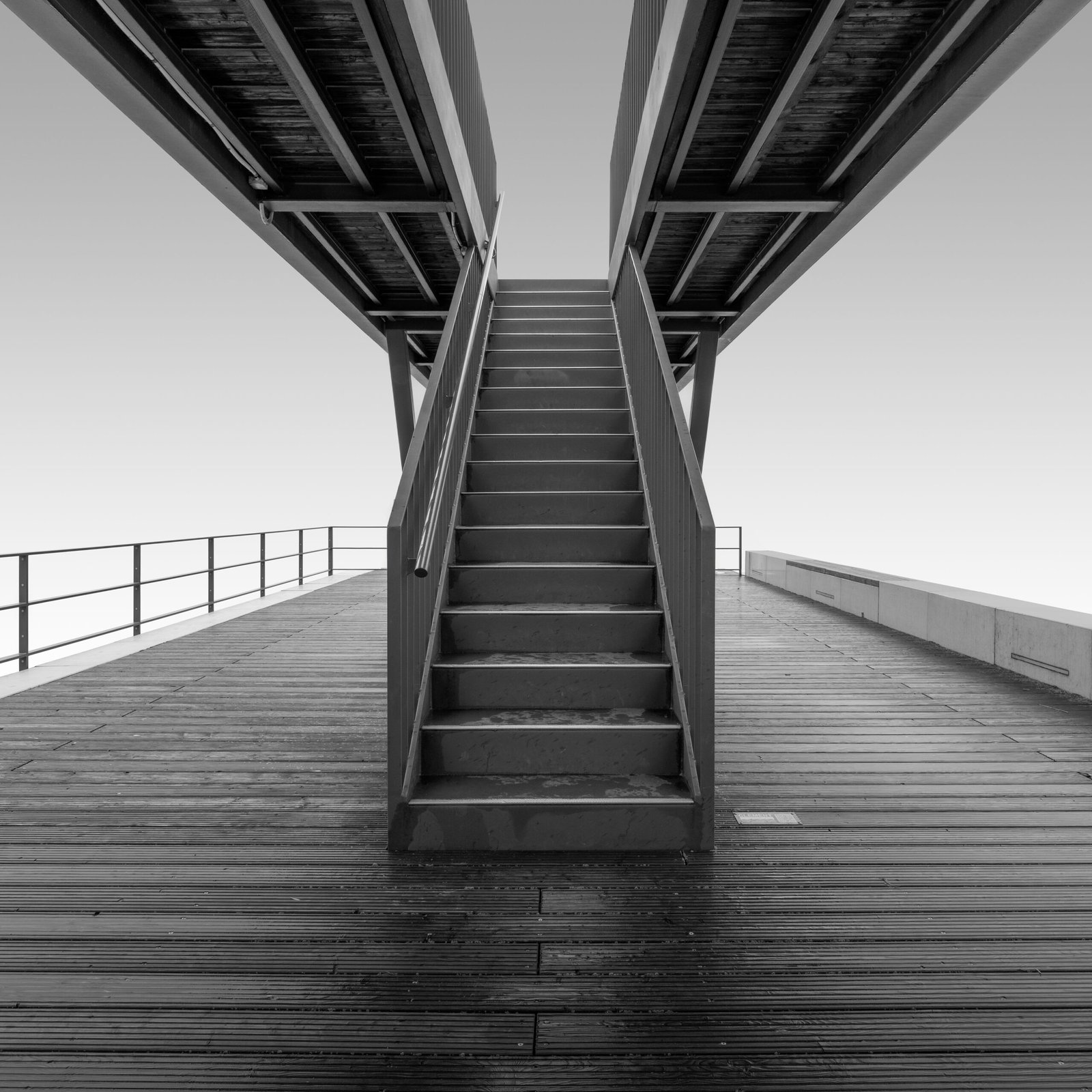
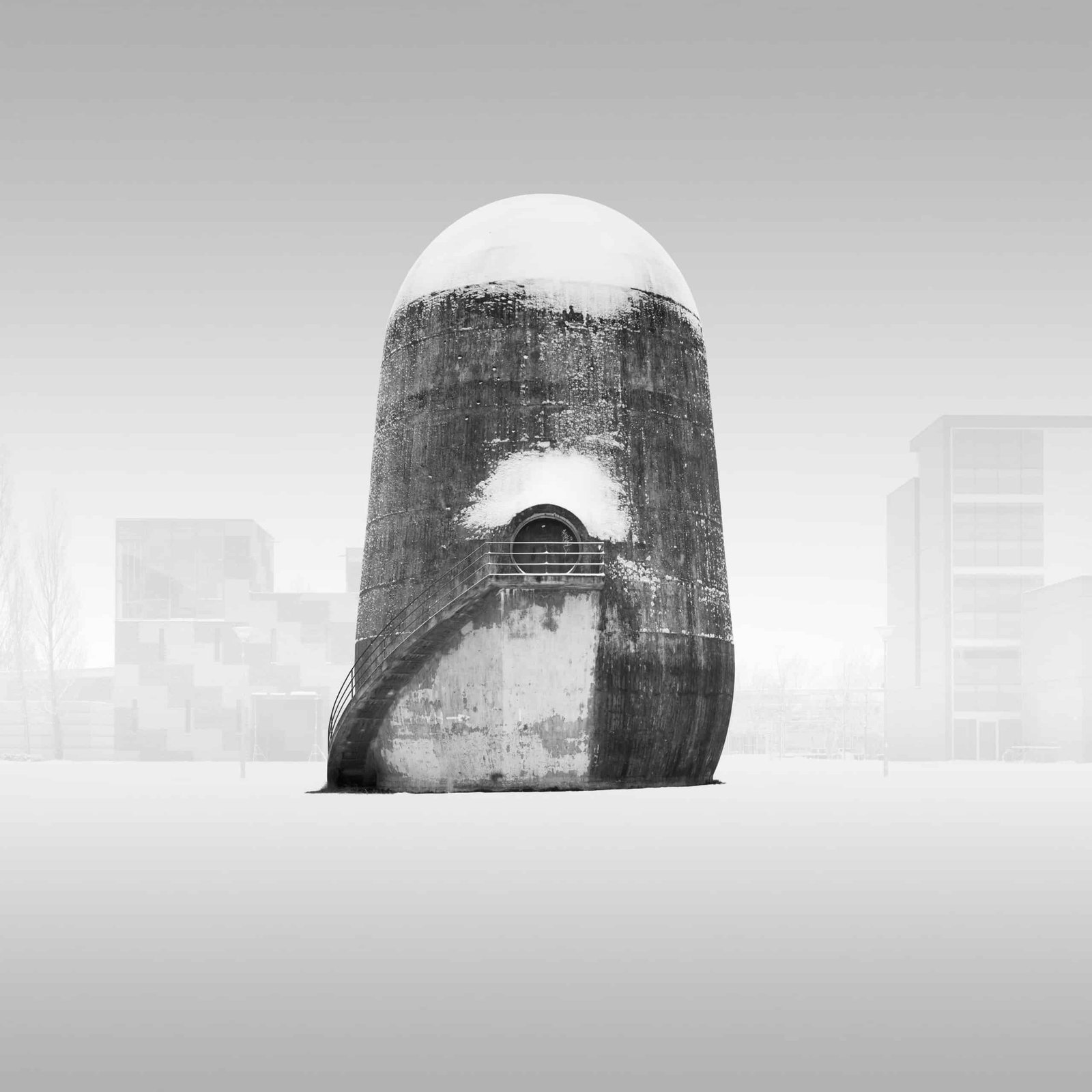
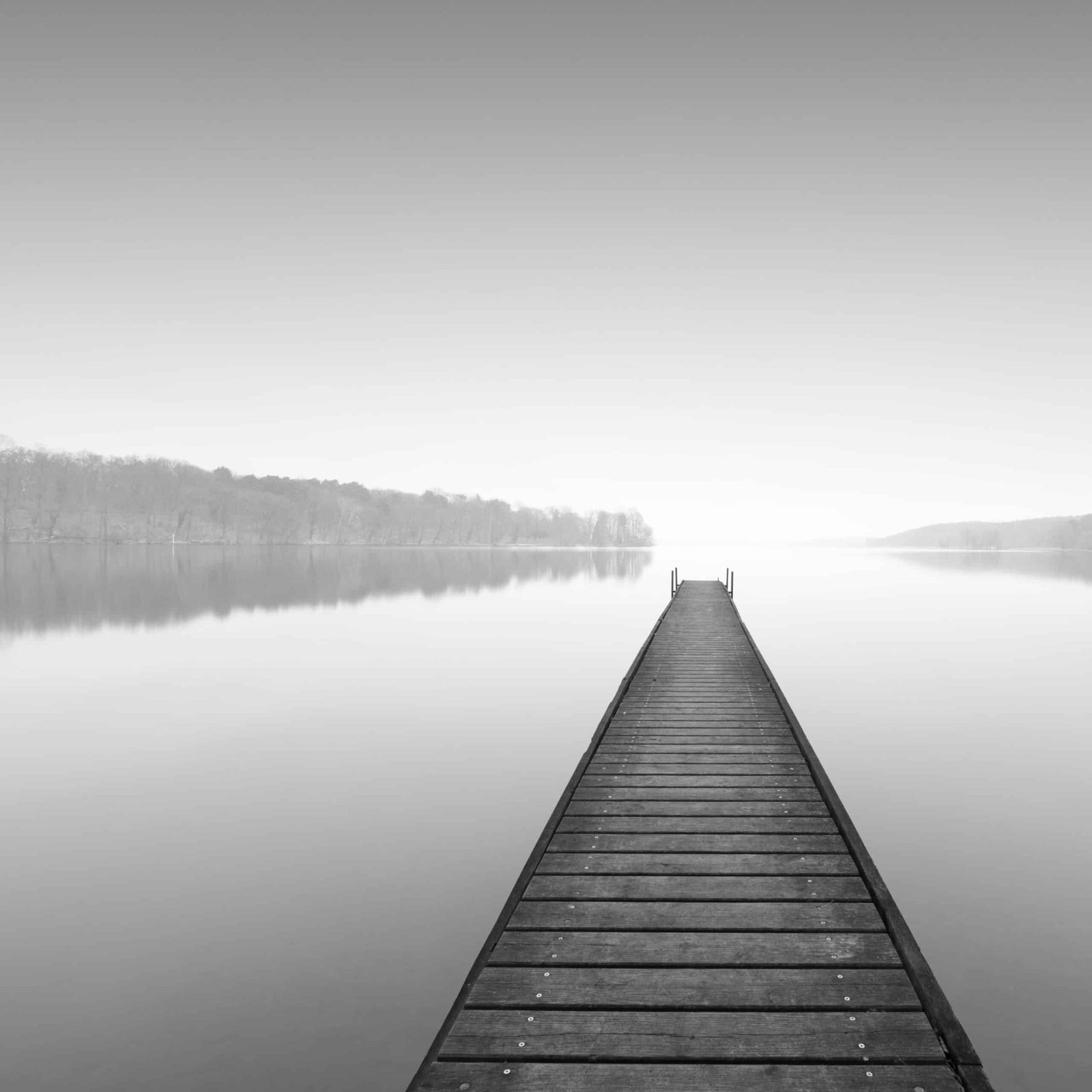
What advice would you give to photographers who want to explore black and white minimalist photography?
My main advice would be to stay honest with your own visual intention.
Just give it a try and don’t feel compelled to please anyone. Learning from other photographers who inspire you, whether through workshops, books, or direct experience, can be very valuable, but it should always support your own way of seeing rather than replace it.
Start creating images without worrying too much about external expectations or overthinking whether something works or not.
If you can explain your choices, that is valuable, but it should never turn into justification.
In the end, it is your way of seeing the world, and that should be the point.
Just give it a try and don’t feel compelled to please anyone. Learning from other photographers who inspire you, whether through workshops, books, or direct experience, can be very valuable, but it should always support your own way of seeing rather than replace it.
Start creating images without worrying too much about external expectations or overthinking whether something works or not.
If you can explain your choices, that is valuable, but it should never turn into justification.
In the end, it is your way of seeing the world, and that should be the point.
Any final words or reflections you would like to leave with our readers?
Stay curious and keep an open mind. Don’t put too much pressure on yourself as that often limits rather than supports your vision.
Allow yourself to explore without expecting immediate results or approval. Photography, like any creative process, benefits from curiosity and openness more than from perfection. It can also be valuable to occasionally ask for honest feedback from friends or other photographers you trust, feedback that is constructive and thoughtful, not about validation or judgement.
I would also like to thank you for the interview and the opportunity to share my thoughts. It is greatly appreciated.
Allow yourself to explore without expecting immediate results or approval. Photography, like any creative process, benefits from curiosity and openness more than from perfection. It can also be valuable to occasionally ask for honest feedback from friends or other photographers you trust, feedback that is constructive and thoughtful, not about validation or judgement.
I would also like to thank you for the interview and the opportunity to share my thoughts. It is greatly appreciated.